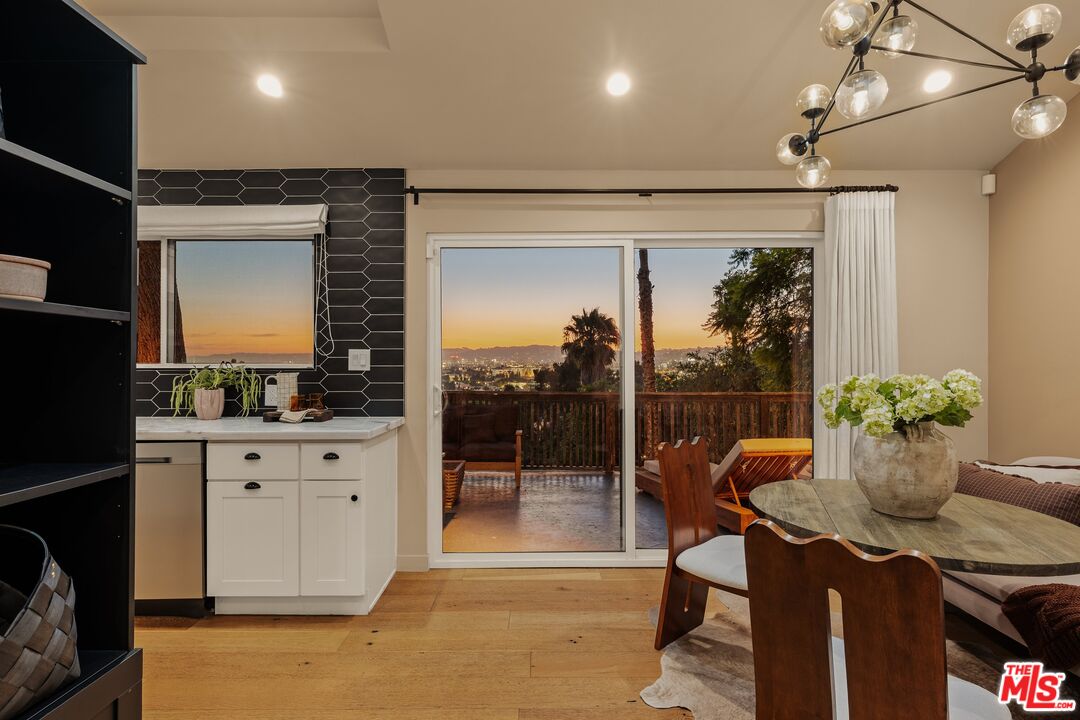
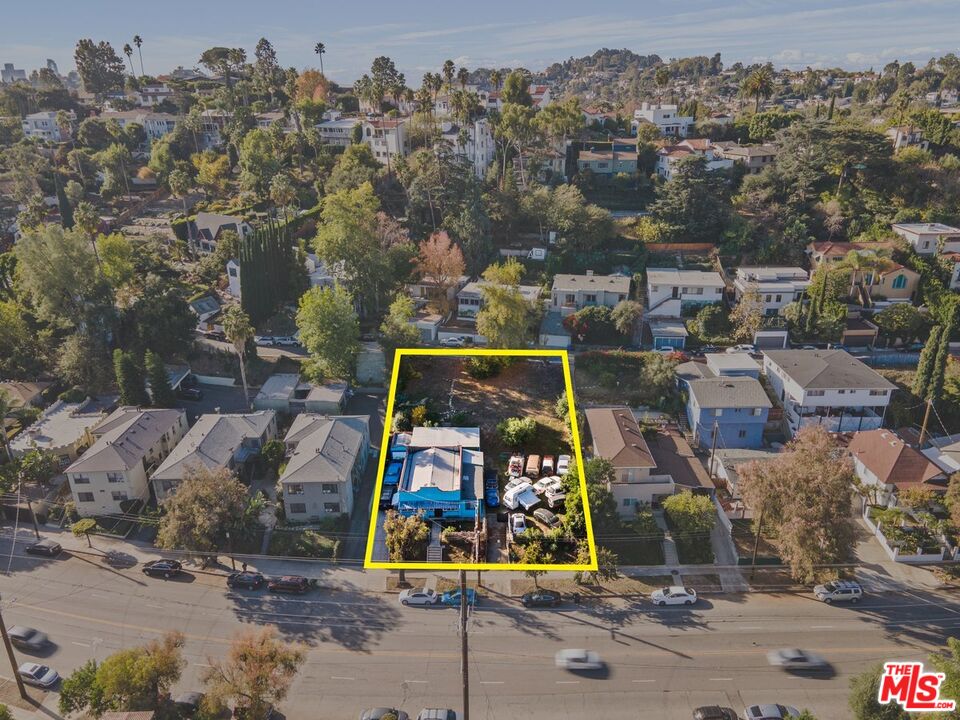
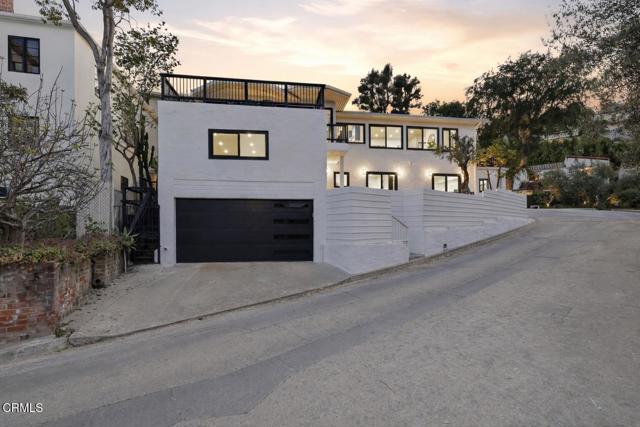
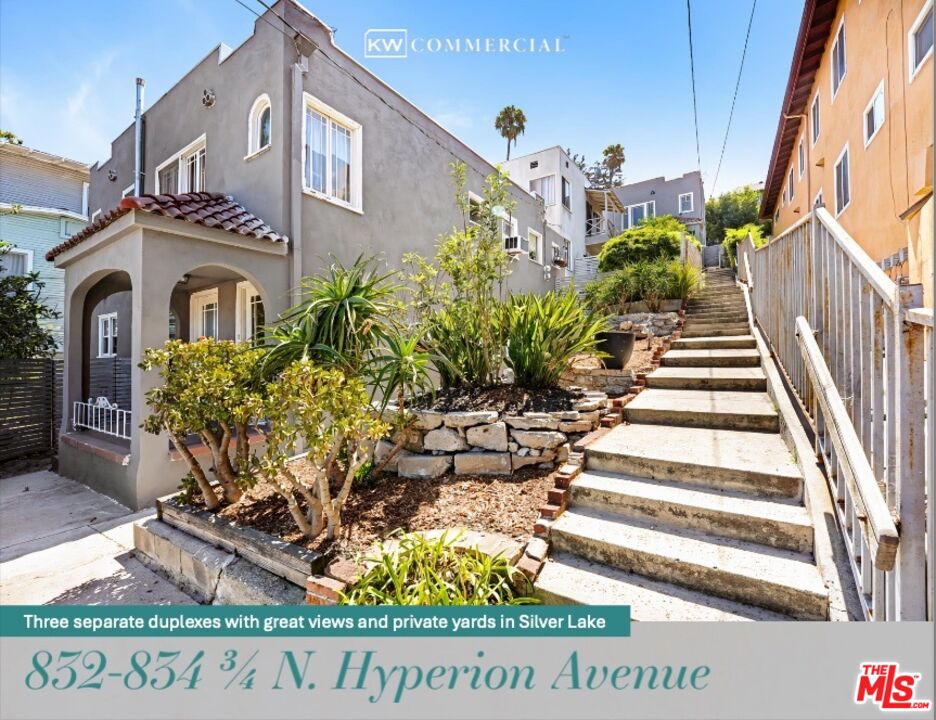
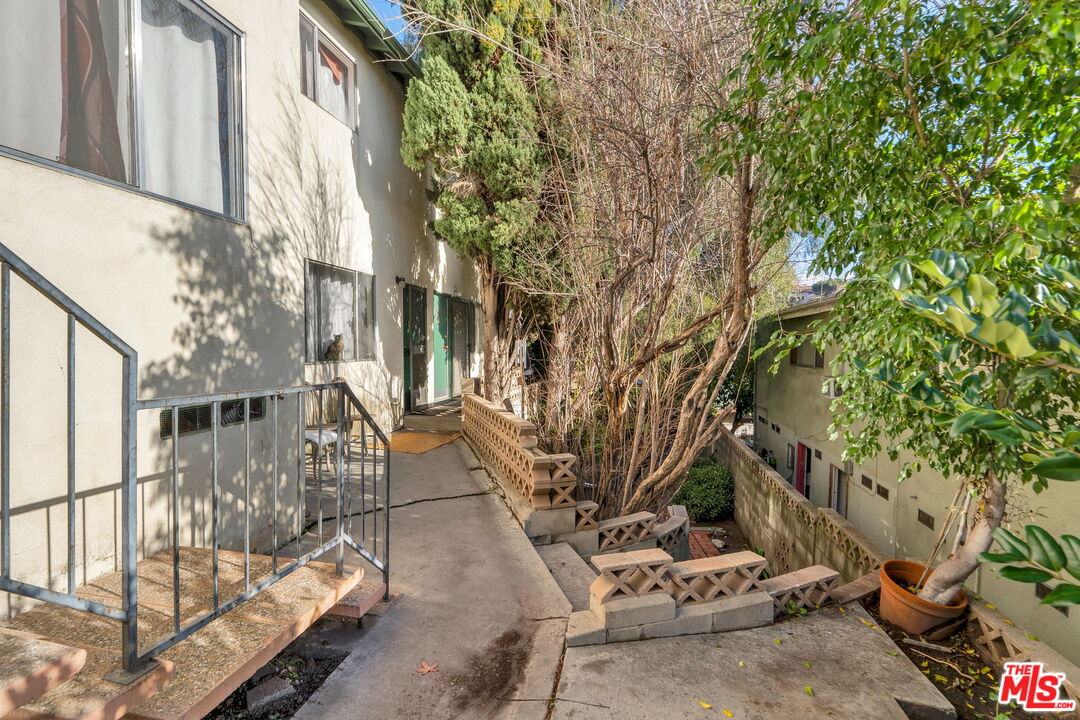
Welcome to Silver Lake
A trendy, vibrant neighborhood known for its charm and stunning architecture.
Silver Lake stands as Los Angeles' creative heartbeat—a neighborhood where mid-century modern architecture meets contemporary cool, where artists, musicians, tech workers, and young families converge on tree-lined hillsides surrounding a shimmering reservoir. Often described as "the Brooklyn of Los Angeles," Silver Lake has transcended its hipster reputation to become one of LA's most desirable and authentic communities, balancing urban convenience with neighborhood intimacy in ways few other Los Angeles neighborhoods achieve.
Silver Lake delivers what discerning Angelenos crave: walkability in a car-dependent city, community in an often-anonymous metropolis, and character in a landscape of homogeneity. With approximately 29,400 residents and a median age of 37, the neighborhood pulses with creative energy while maintaining residential tranquility.
Living in Silver Lake means morning reservoir walks with sweeping city views, afternoon coffee at Intelligentsia's
tiled patio watching Silver Lake's stylish denizens, evenings at chef-driven restaurants along Sunset Boulevard, and weekends climbing the neighborhood's famous painted staircases or
browsing vintage shops at Sunset Junction.
The appeal transcends aesthetics. Silver Lake offers proximity to everything that matters in LA—10 minutes to Downtown, 15 to Hollywood, manageable access to Westside—without requiring you to live in those places. The average commute time is just 12 minutes, and the neighborhood's central Eastside location makes it a strategic base for professionals working across the city. Unlike LA's beachside communities where you trade urban energy for coastal calm, Silver Lake gives you both: city sophistication and neighborhood warmth, cultural vitality and residential peace, architectural significance and contemporary relevance.
Around Silver Lake: Geography & Getting Around
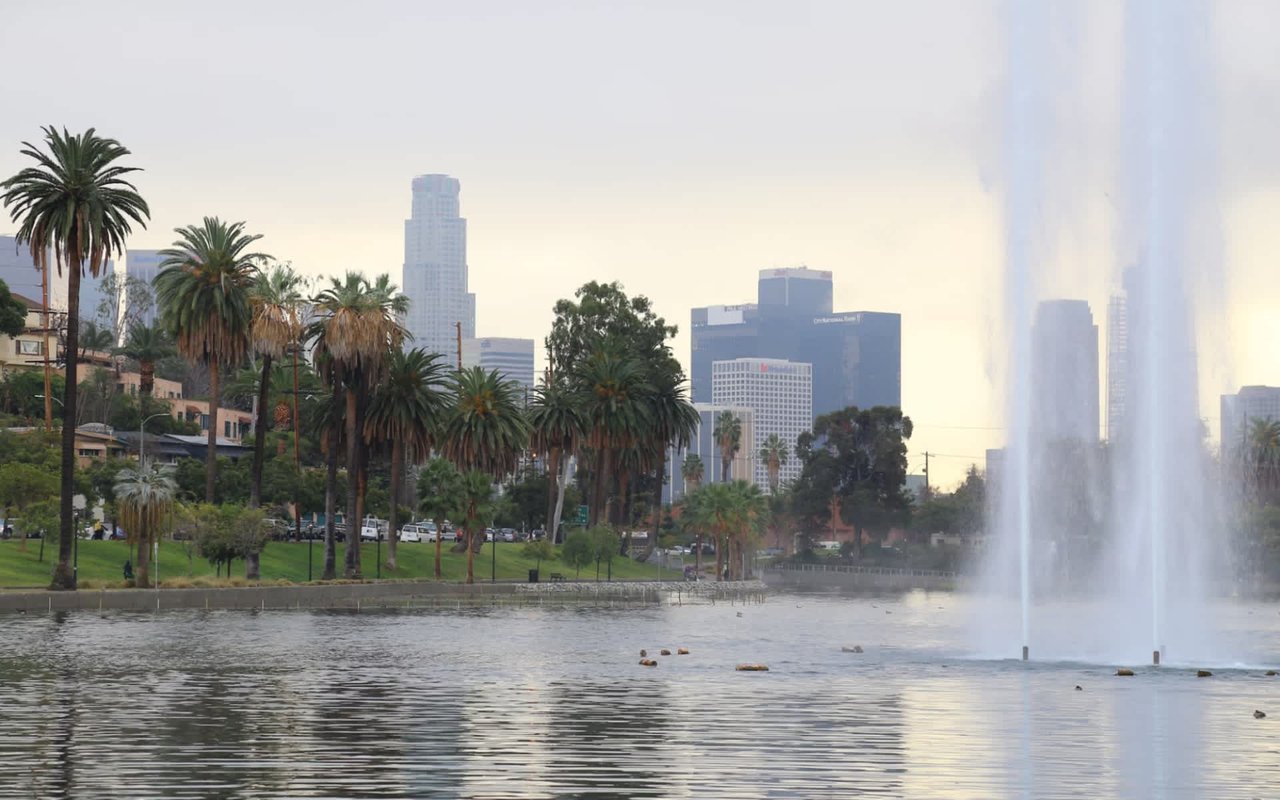
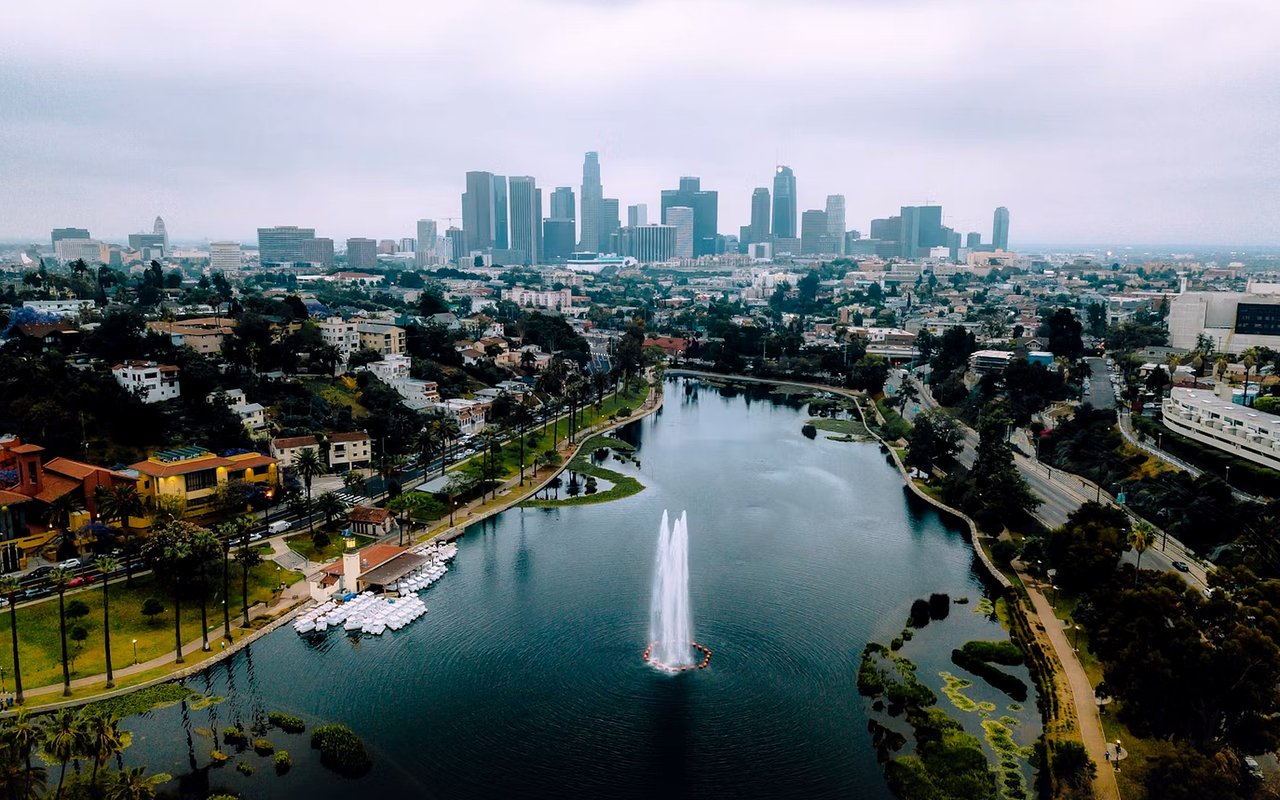
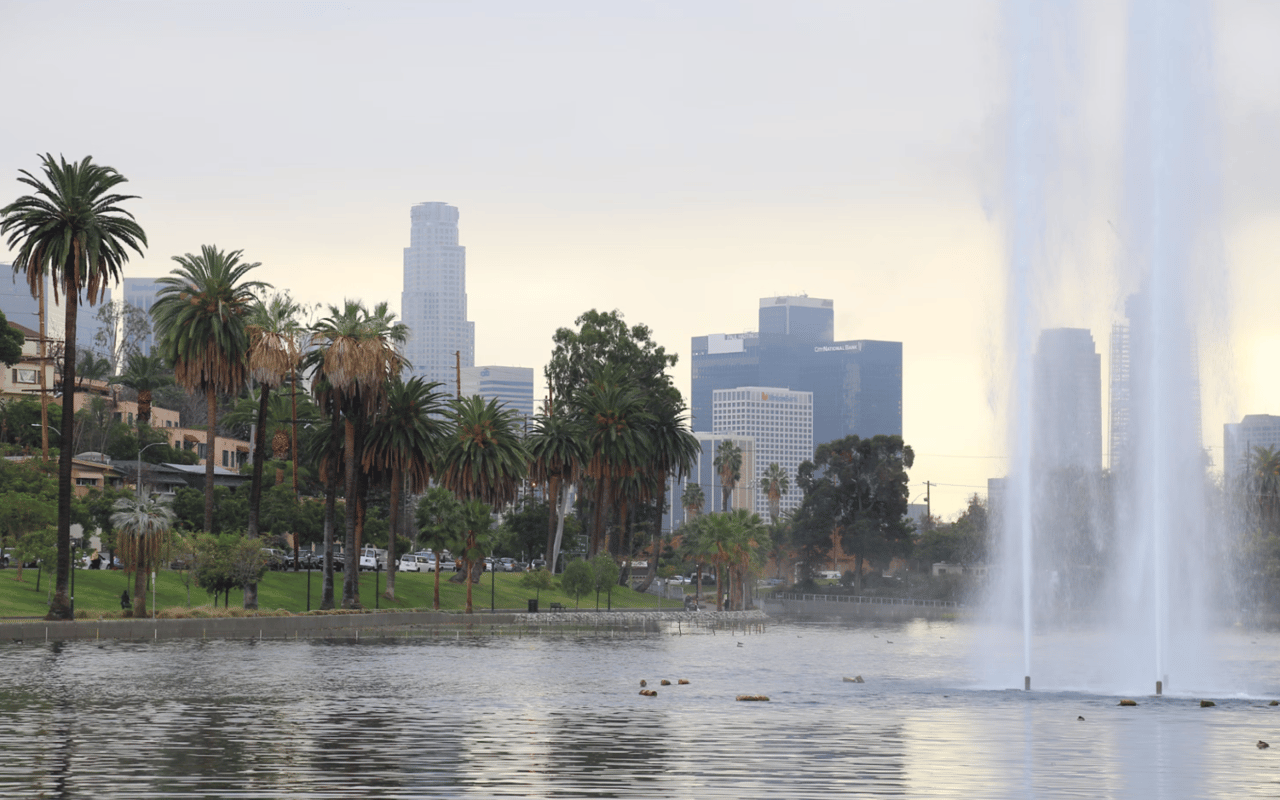
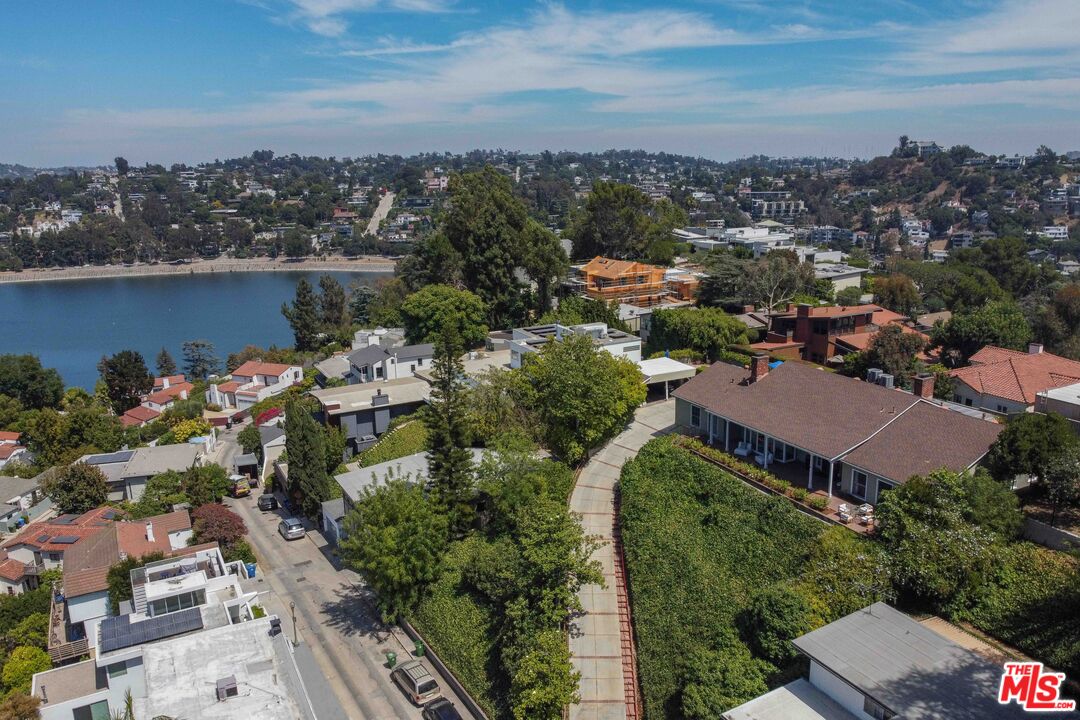
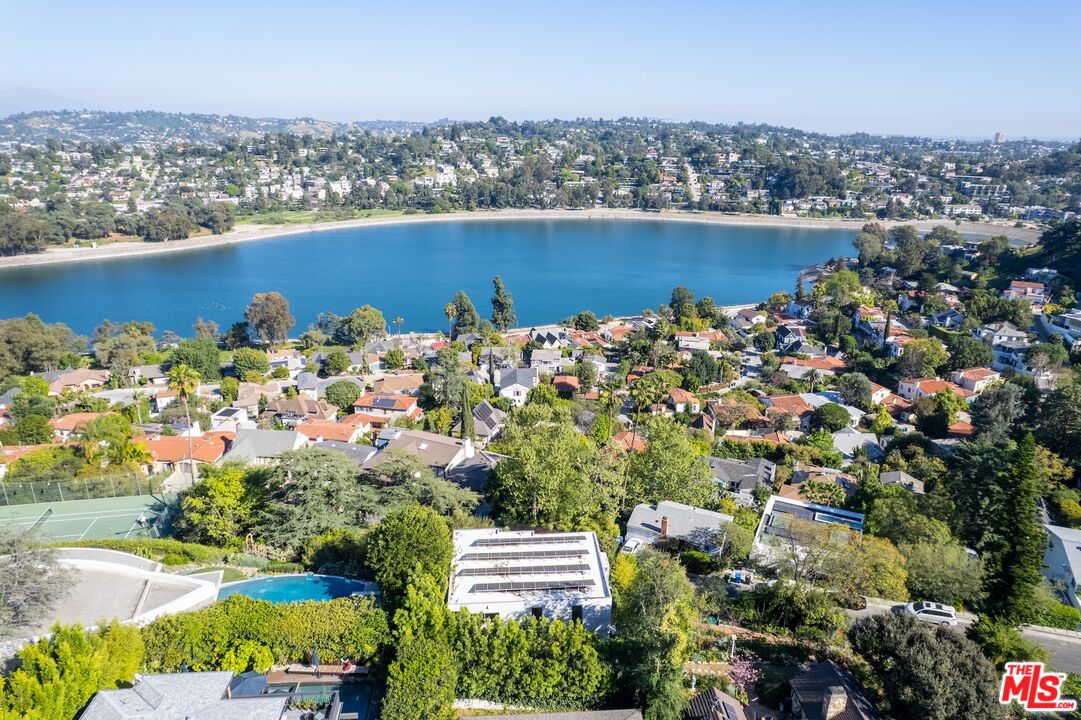
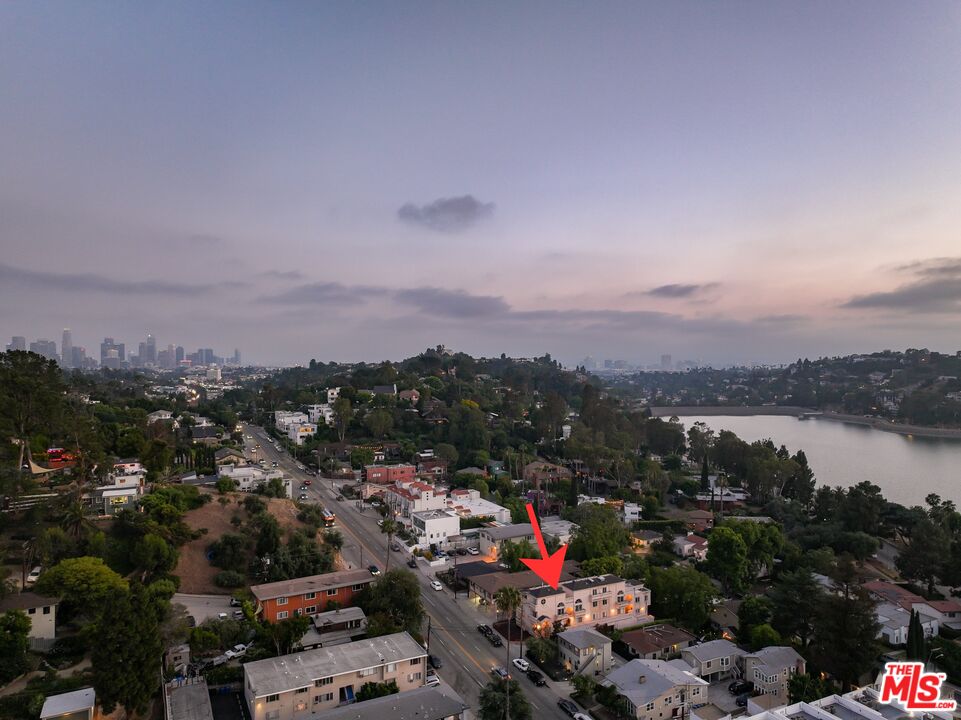
Silver Lake occupies approximately 2.75 square miles in east-central Los Angeles, positioned between Downtown LA to the southeast, Hollywood to the west, Los Feliz to the northwest, and Echo Park to the south. The neighborhood's defining geographic feature—the Silver Lake Reservoir complex—sits at its heart, created in the early 1900s as part of the Los Angeles Aqueduct project. The reservoir, surrounded by hills that rise dramatically on all sides, creates the neighborhood's distinctive topography of winding hillside streets, sweeping views, and terraced homes cascading down slopes.
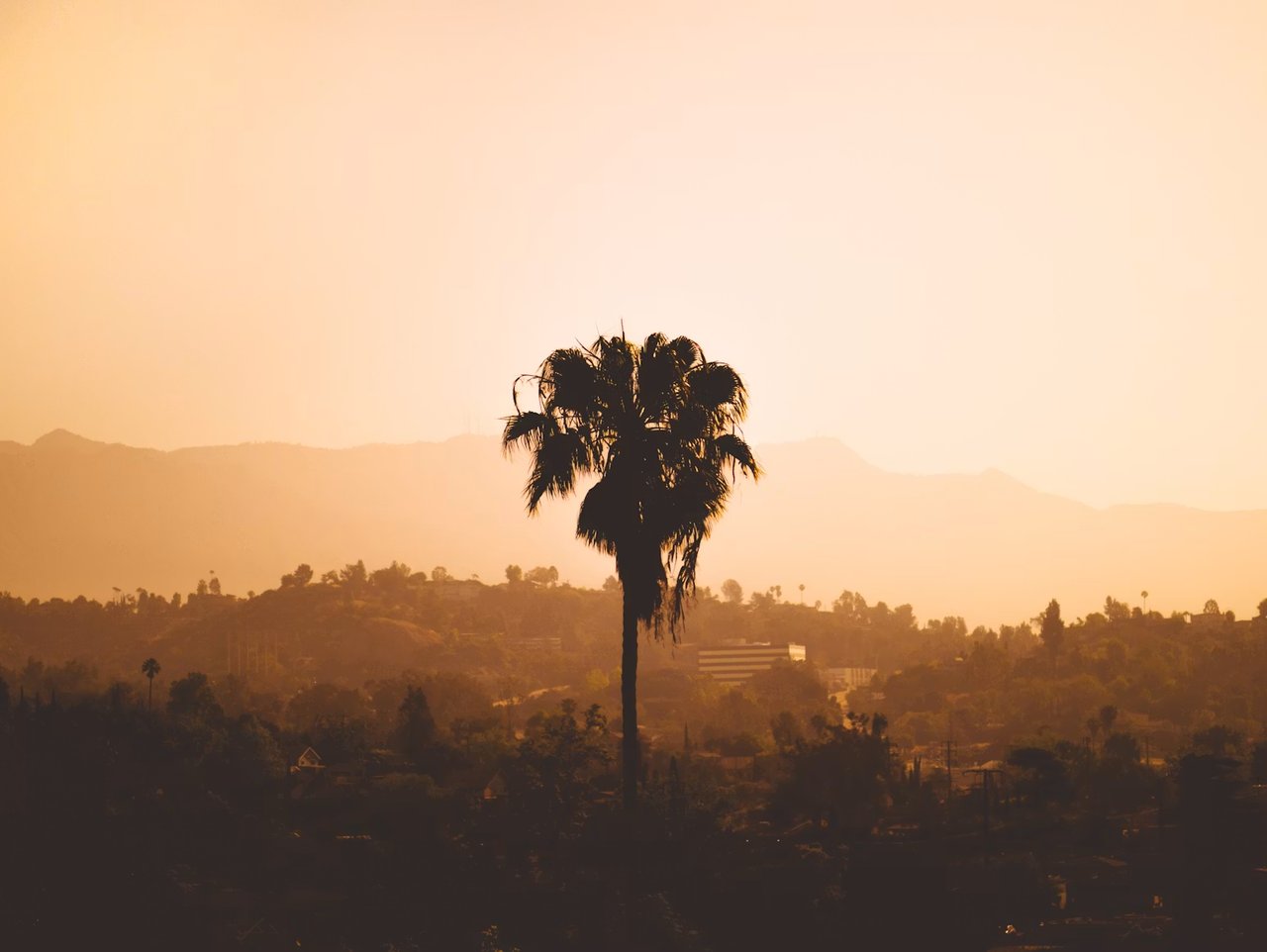
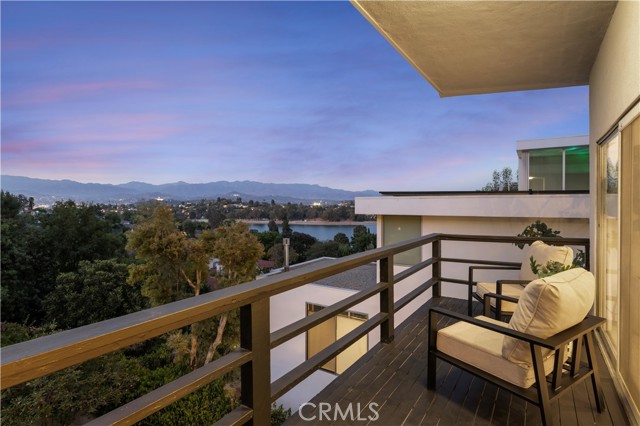
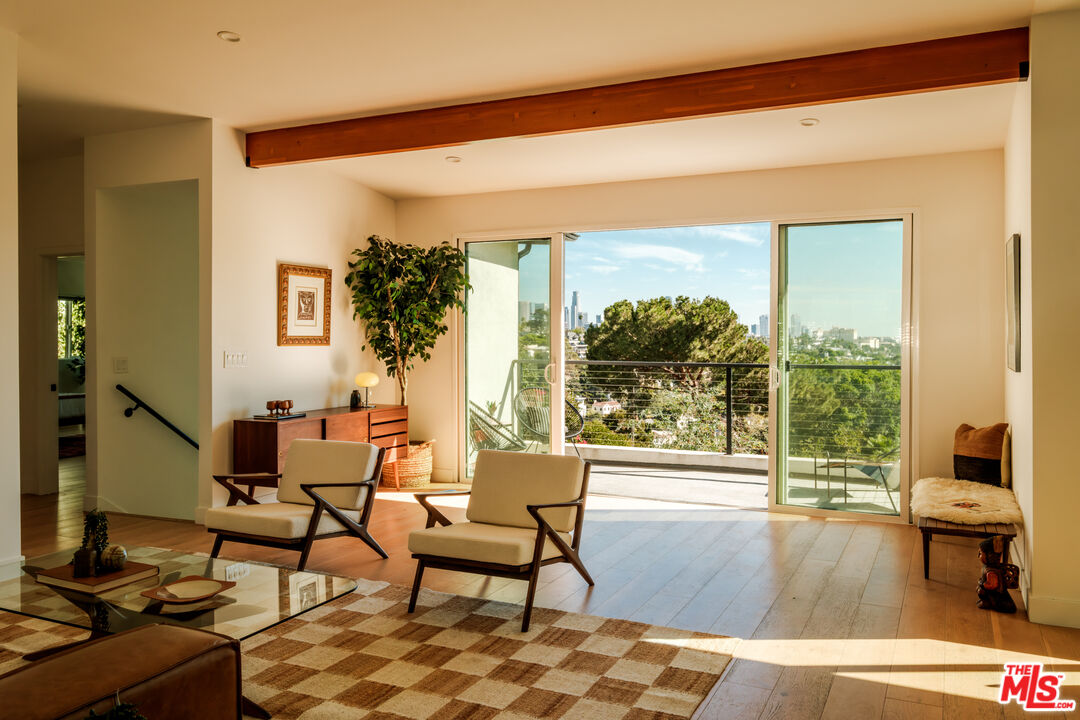
The elevation changes dramatically throughout Silver Lake, from reservoir level (approximately 500 feet) to hillside peaks exceeding 1,000 feet. This varied topography creates distinct microclimates and neighborhood pockets, with upper hillside areas often cooler and foggier than valley sections. The hills also produce Silver Lake's legendary views—downtown skyline, Griffith Observatory, San Gabriel Mountains, and on clear days, glimpses of the Pacific Ocean.
Orientation & Districts
While Silver Lake lacks formal district boundaries, residents recognize several distinct areas:
- Sunset Junction: The commercial and cultural heart where Sunset and Santa Monica Boulevards intersect. This walkable district features the highest concentration of restaurants, shops, coffee shops, and bars, anchored by the iconic (misspelled) "Silver Lake" sign and Intelligentsia Coffee.
- Silver Lake Reservoir Area: Streets surrounding the reservoir (Silver Lake Boulevard, Silver Lake Drive) offer proximity to the walking path, reservoir meadow, and dog parks, creating a uniquely LA combination of urban and natural settings.
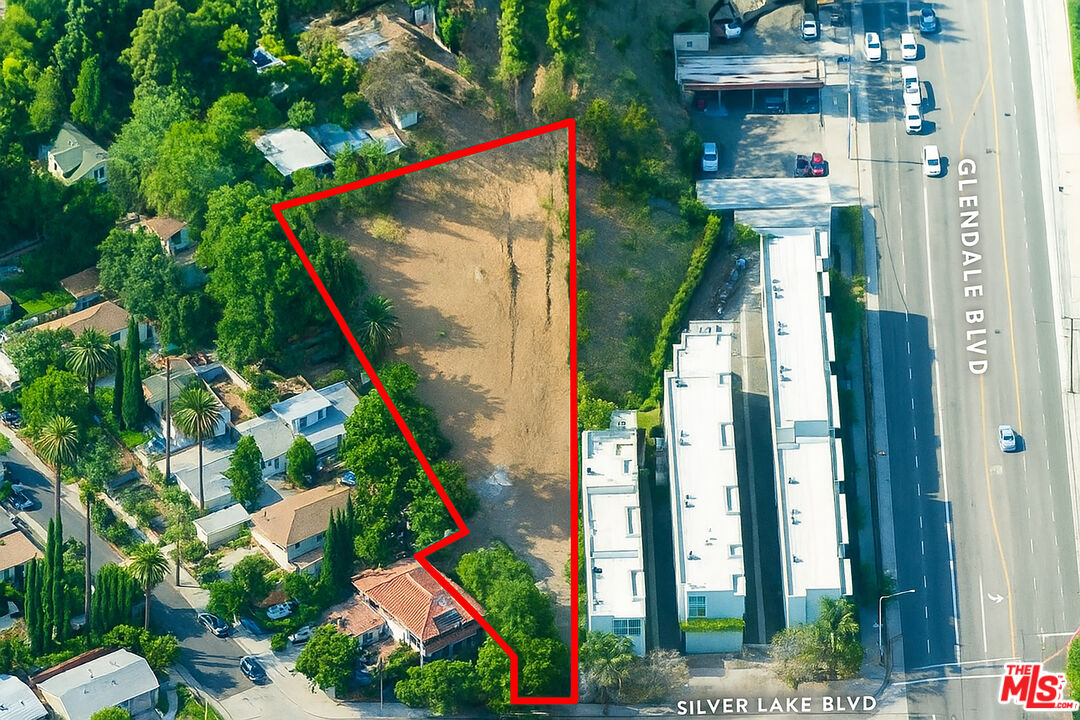
- Northern/Upper Silver Lake: Hillside neighborhoods northeast of the reservoir toward Glendale Boulevard, featuring modernist homes, dramatic views, and quieter residential character.
- Southern Silver Lake: Areas between Sunset Boulevard and the 101 Freeway, transitioning toward Echo Park, with flatter terrain and more accessible price points.
- Ivanhoe: Eastern pocket near Los Feliz, maintaining distinct identity with its own elementary school and community flavor.
Getting Around
Silver Lake bucks LA's car-dependent stereotype—to a degree. The neighborhood offers an urban-suburban mix feel with lots of
bars, restaurants, coffee shops, and parks, making portions genuinely walkable. Sunset Junction is the epicenter of pedestrian activity, where residents can accomplish errands, grab meals, and socialize entirely on foot.
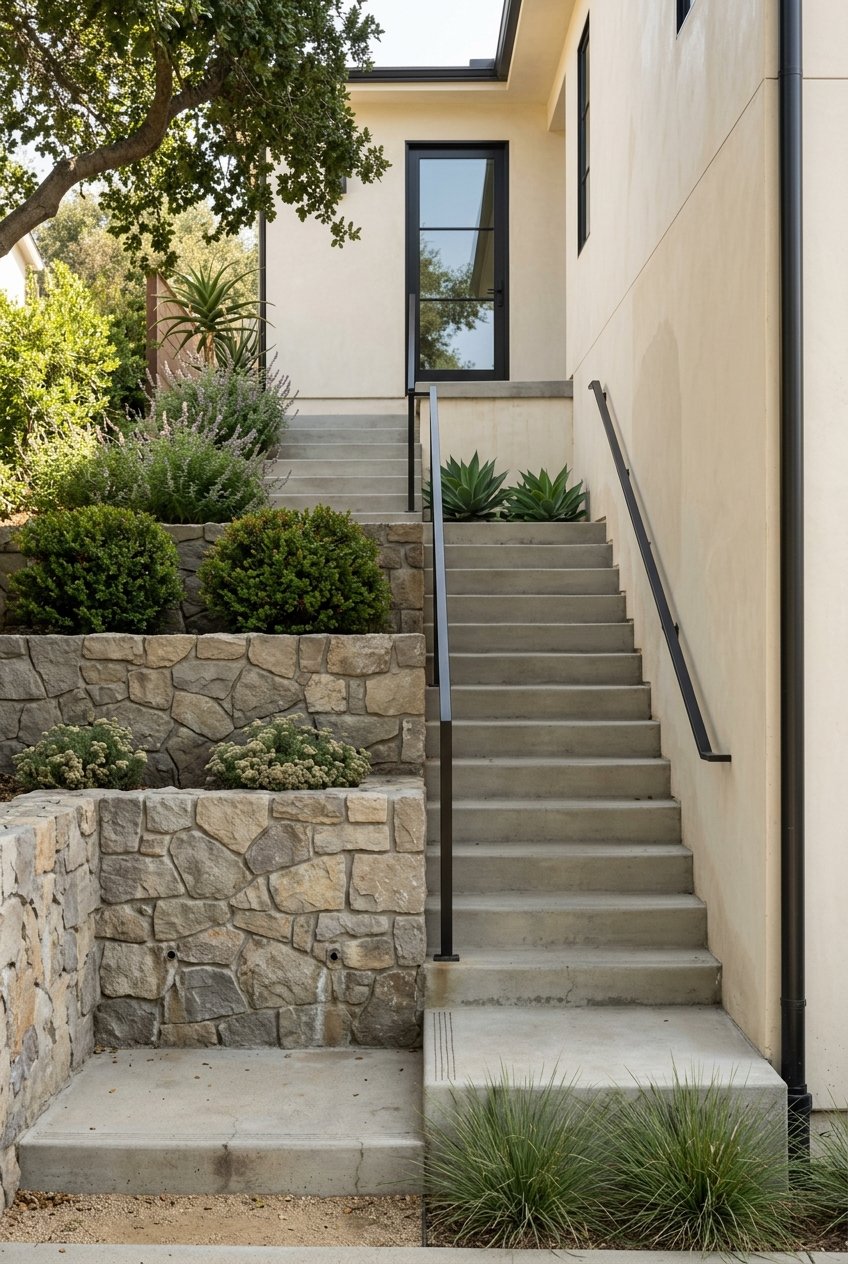
However, Silver Lake's dramatic hills create walking challenges. Flat areas near Sunset Boulevard and around the reservoir handle pedestrian traffic well, but steep hillside streets with limited sidewalks require cars for practical purposes. The famous public staircases—originally built to connect hillside homes to trolley lines—now serve mostly recreational purposes, though some residents still use them for fitness or shortcuts.
Driving remains most residents' primary transportation mode. Street parking dominates (expect challenges near Sunset Junction on weekends), with most buildings offering limited or no dedicated parking. The neighborhood's central location makes car commutes manageable in multiple directions.
Cycling appeals to fitness-minded residents, particularly around the reservoir's perimeter and through flatter sections. LA Metro buses serve major corridors (Sunset Boulevard, Silver Lake Boulevard, Hyperion Avenue), though most residents view transit as supplementary rather than primary transportation.
Lifestyle & Community
Silver Lake embodies creative Los Angeles—not the manufactured creativity of Hollywood studios, but the authentic, ground-level expression of artists, designers, musicians, and entrepreneurs who chose this neighborhood precisely because it values substance over flash. The vibe is effortlessly cool without trying too hard, sophisticated without pretension, diverse without self-congratulation.
Walk Sunset Boulevard through Sunset Junction and you'll observe the Silver Lake aesthetic: vintage band t-shirts paired with designer denim, carefully curated tattoos, enviable eyewear, conversations about screenplays over oat milk lattes, dogs (so many dogs) as social accessories. Yet this stylishness coexists with genuine neighborhood function—parents pushing strollers, elderly long-time residents speaking Spanish at taco stands, construction workers grabbing breakfast burritos alongside media executives.
The neighborhood maintains authentic urban grit despite gentrification's march. You'll encounter homeless encampments alongside million-dollar hillside homes, strip malls housing James Beard-caliber restaurants, and historic dive bars attracting both locals and celebrities. This juxtaposition—luxury and struggle, old LA and new LA, preservation and transformation—defines Silver Lake's complexity.
Community bonds run strong despite (or perhaps because of) the area's individualist creative culture. Residents share common causes: protecting rent-controlled housing, preserving architectural landmarks, supporting local businesses over chains, maintaining the reservoir as public space, and celebrating LGBTQ+ history. Silver Lake has been a historic center of LA's LGBTQ+ community, with the 1967 Black Cat Tavern protests predating Stonewall by two years.
Demographics & Community Profile
Silver Lake's approximately 29,400 residents have a median age of 37, reflecting the neighborhood's appeal to young professionals and early-stage families rather than retirees or recent college graduates. Adults aged 25-44 comprise 41% of the population, creating a demographic sweet spot of established careers, disposable income for neighborhood amenities, and energy for community engagement.
The 2010 census showed ethnic diversity: 42.9% Non-Hispanic White, 35.8% Hispanic or Latino, 15.1% Asian and Asian American, 3.4% Black, and 2.7% mixed race or other origins. This diversity manifests in the neighborhood's linguistic, culinary, and cultural fabric—conversations switch between English and Spanish, restaurants span global cuisines, and longtime Latino families coexist with recent tech transplants.
Household composition shows 46.4% families and 53.6% individuals living alone or with non-relatives, suggesting a balanced mix of traditional families, roommate situations, and young professionals. Educational attainment runs high, with 32.8% holding bachelor's degrees, climbing higher when including graduate degrees—reflecting Silver Lake's appeal to creative and knowledge workers.
Income varies widely: households led by 25-44-year-olds show median incomes around $95,000, while those 45-64 earn approximately $78,000. This income diversity, combined with rent-controlled apartments alongside expensive hillside homes, maintains economic mixing rare in gentrifying neighborhoods.
Real Estate in Silver Lake
Silver Lake's architectural diversity reflects its development history and hillside topography, offering housing stock ranging from historic gems to contemporary statements:
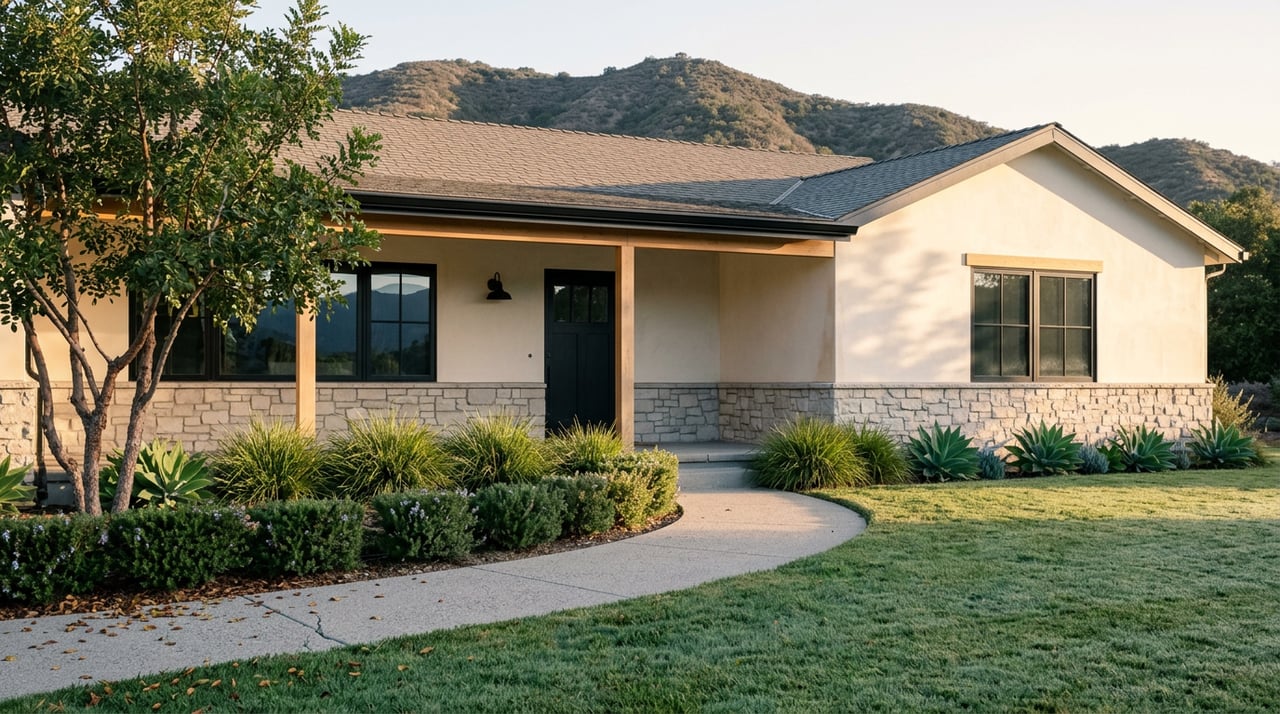
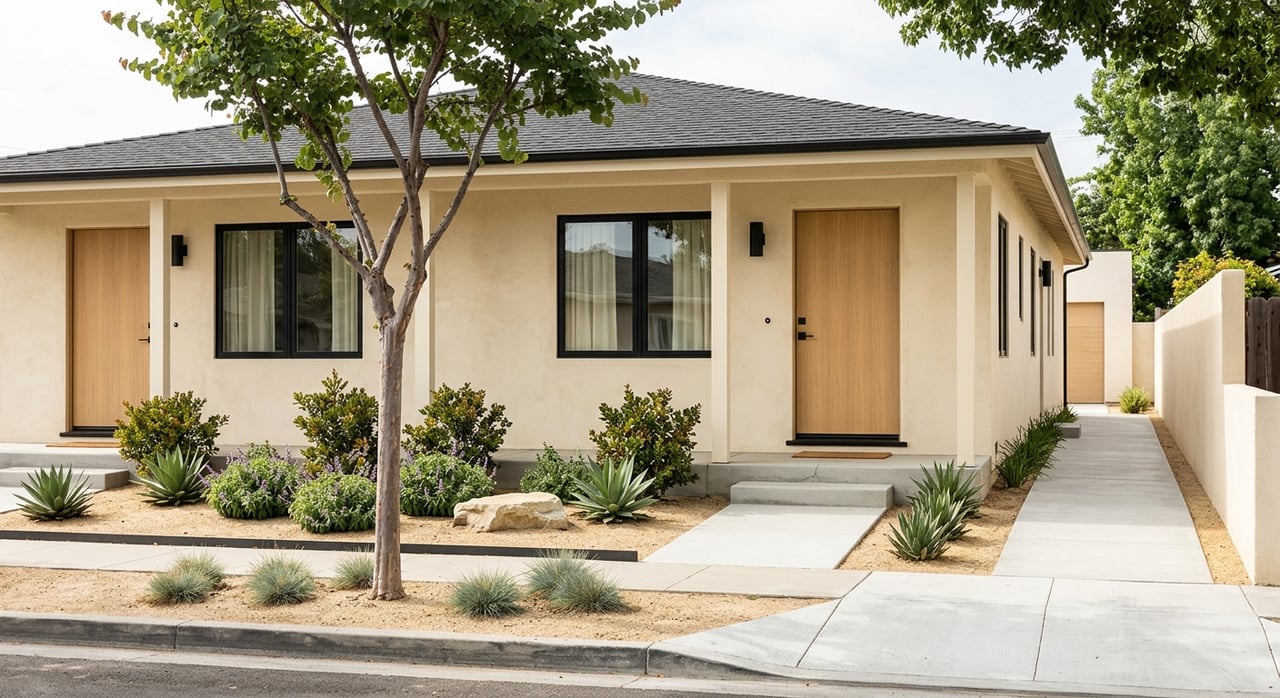
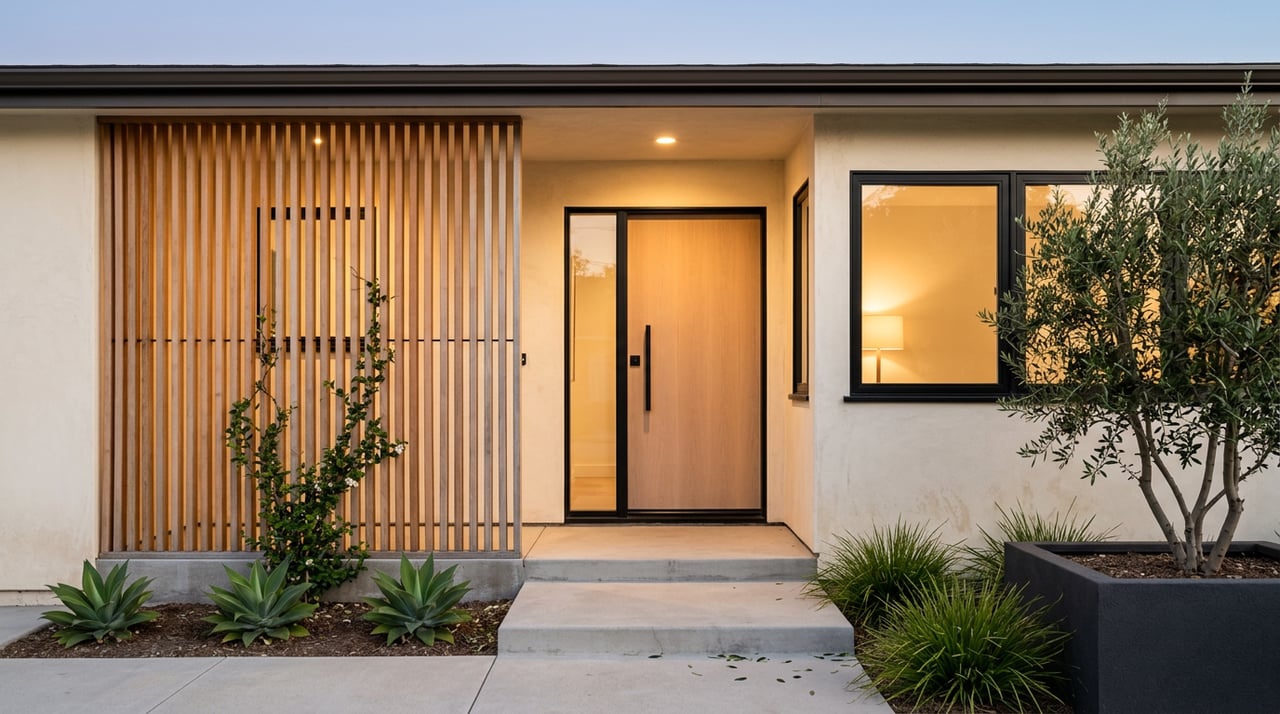
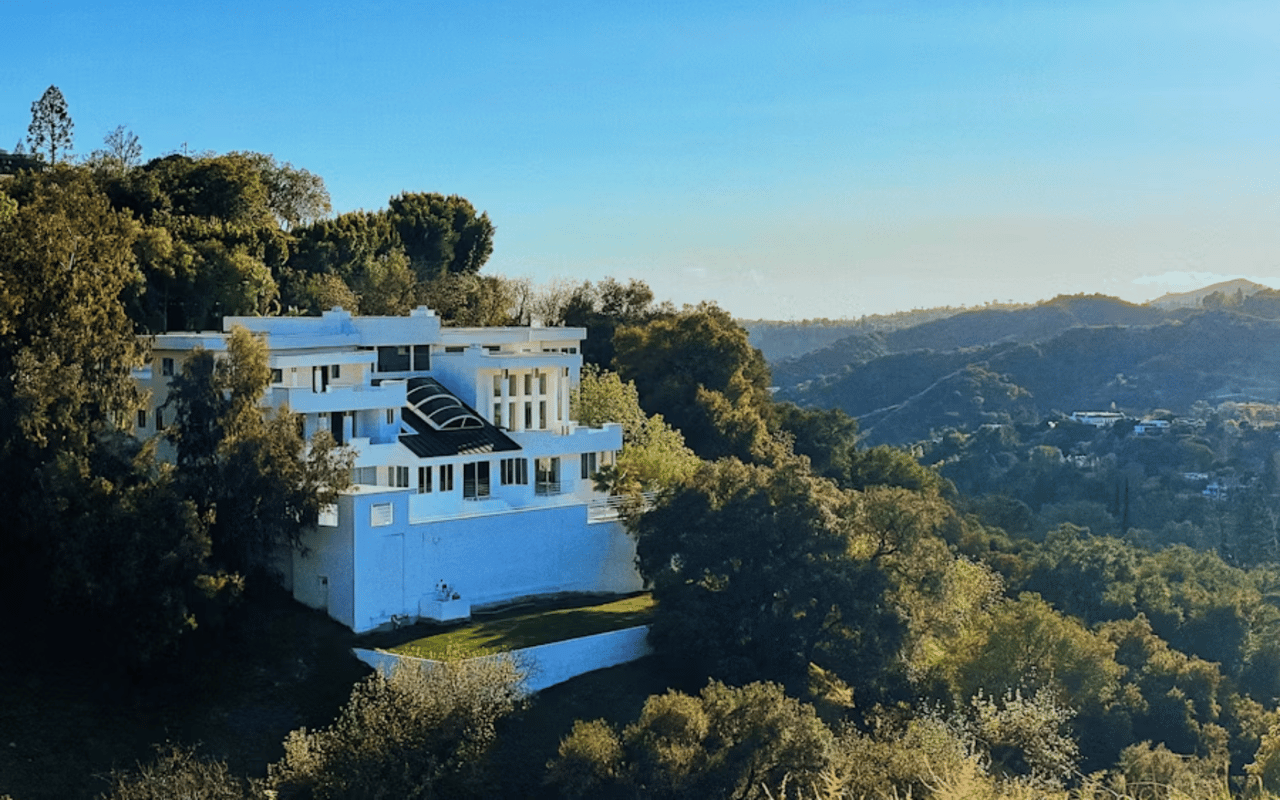
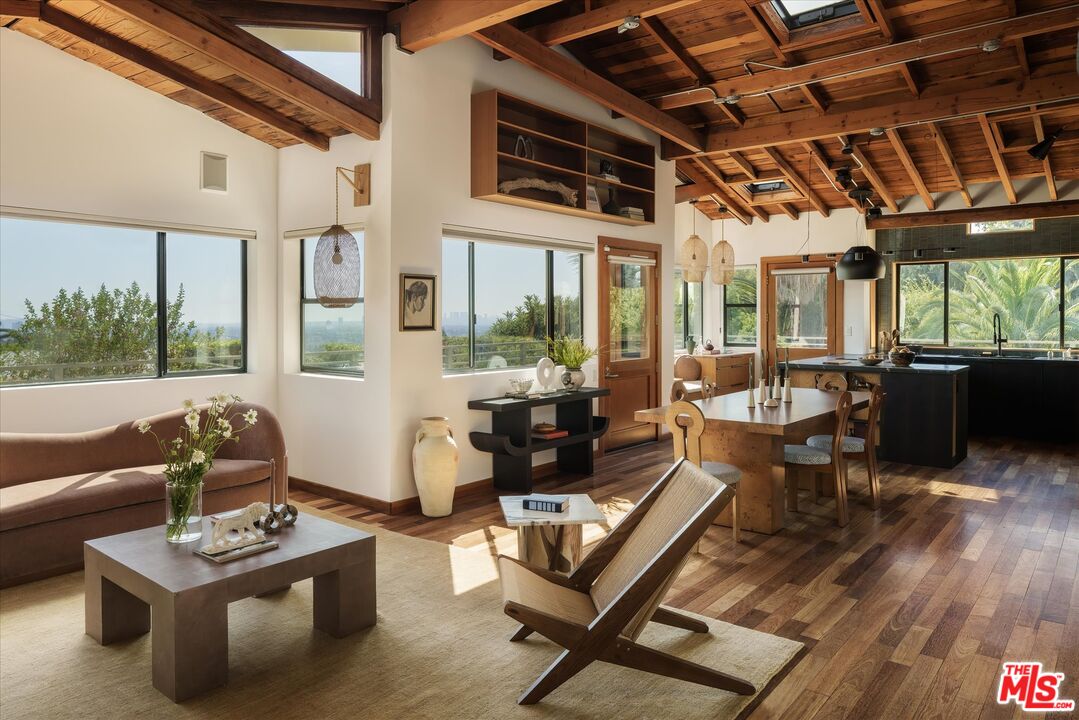
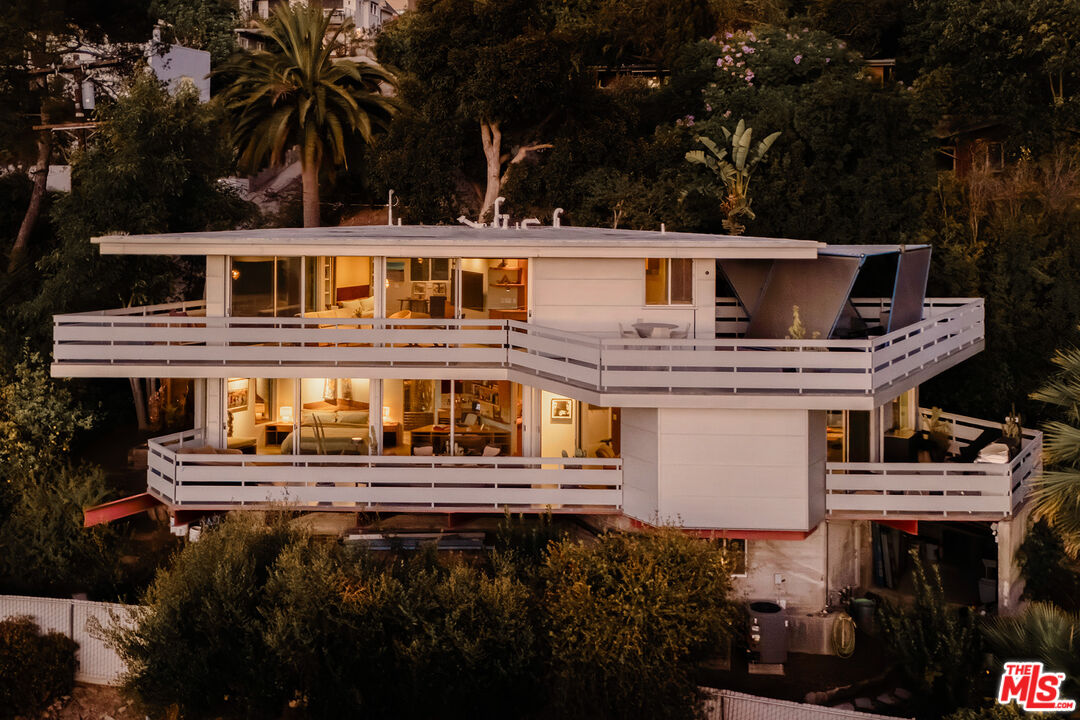
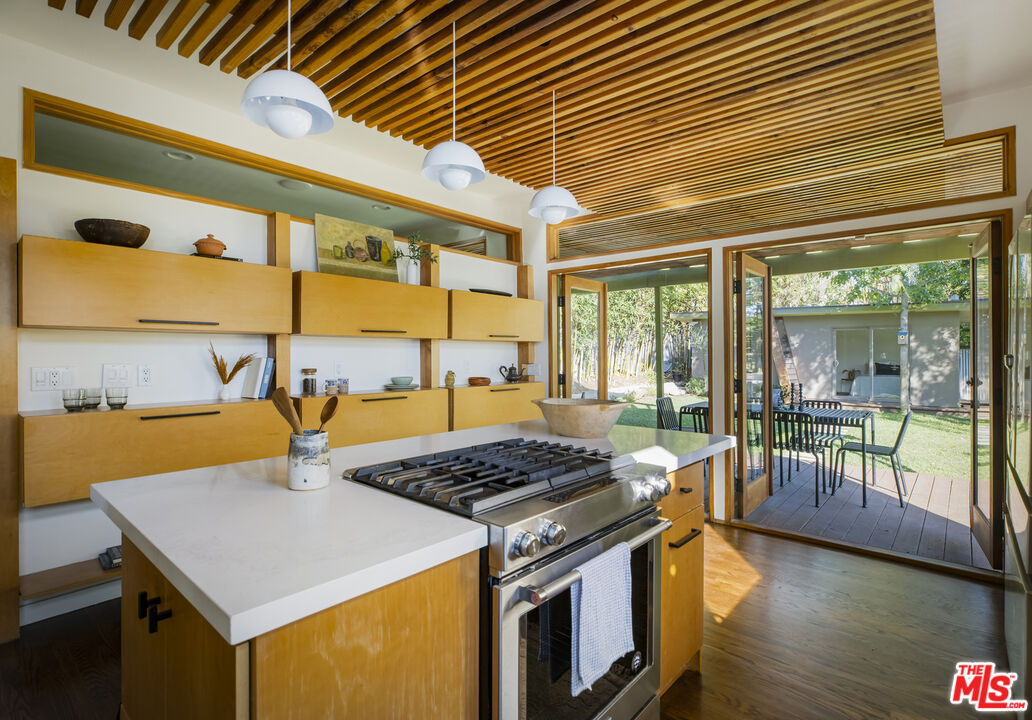
- Mid-Century Modern Homes: Silver Lake's most architecturally significant properties include works by Richard Neutra, John Lautner, Rudolf Schindler, and other modernist masters. These glass-and-steel gems feature open floor plans, walls of windows capturing views, integration with landscape, and design significance that commands premium prices ($1.5M-$5M+).
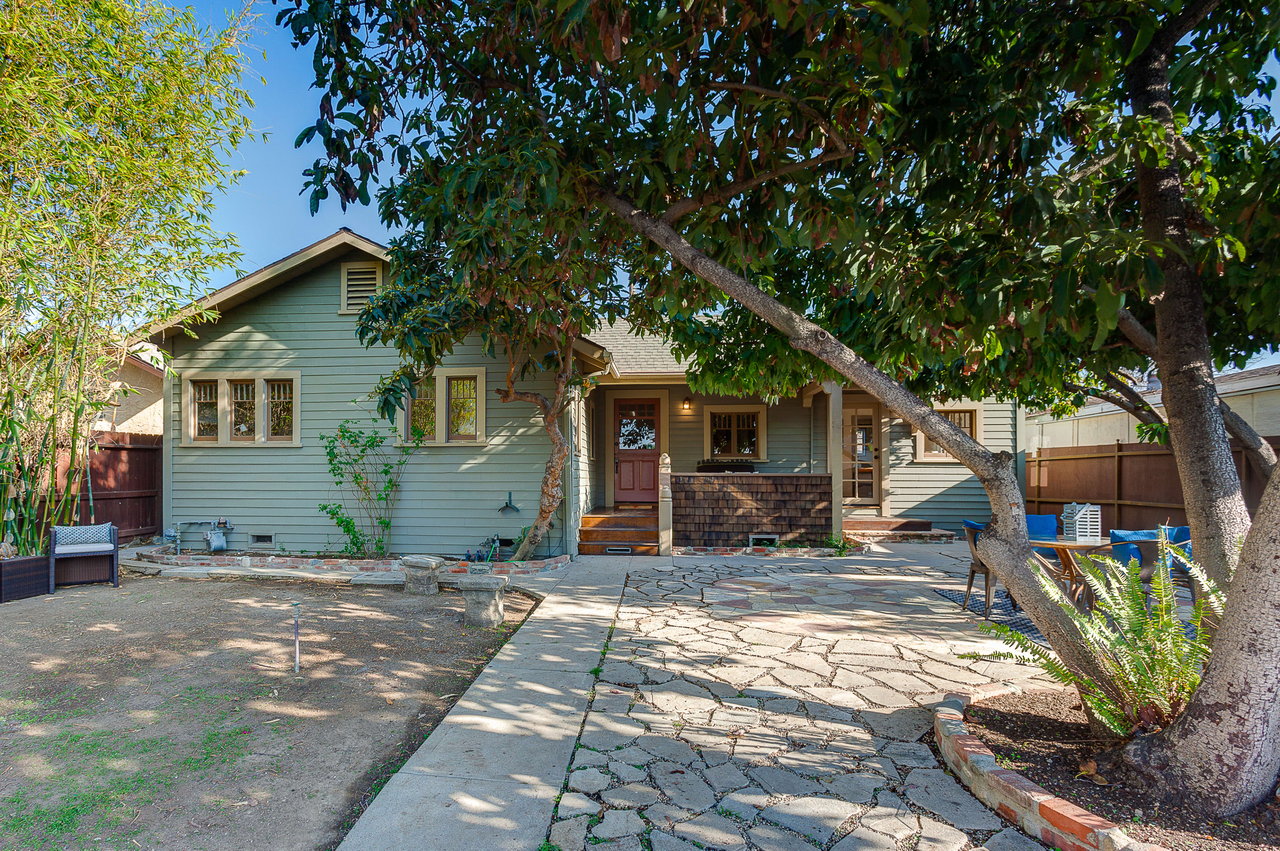
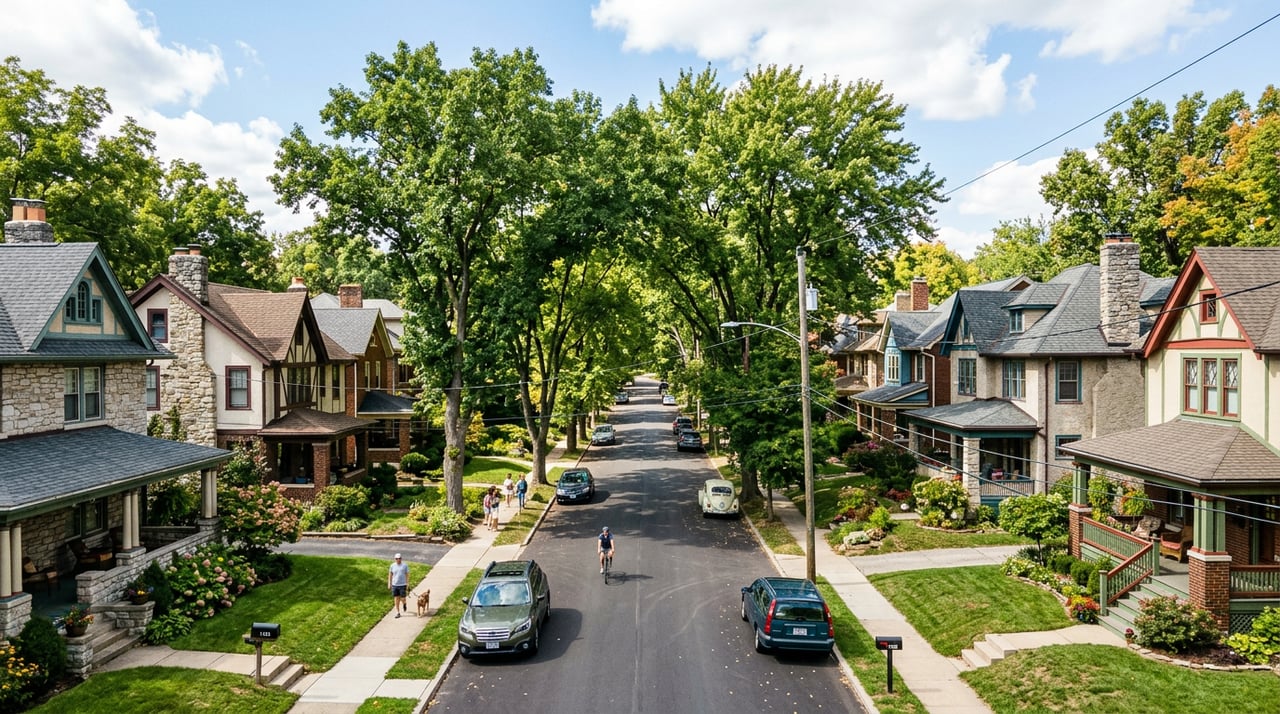
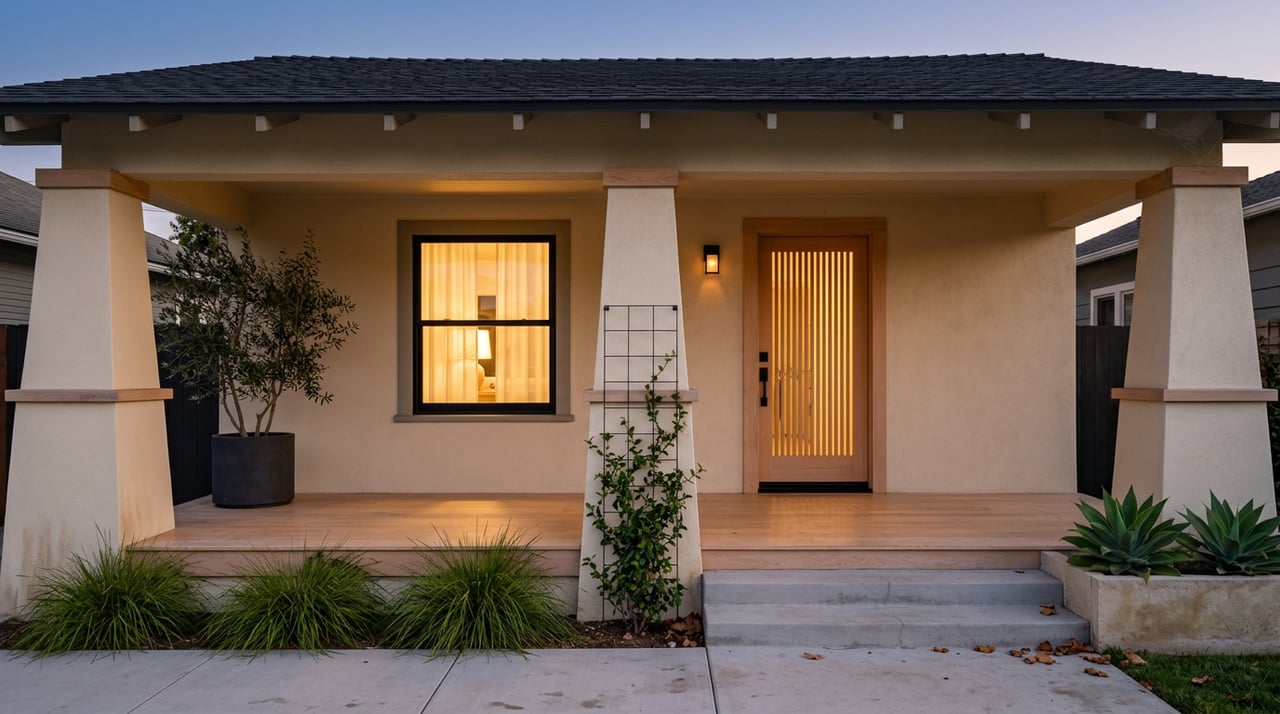
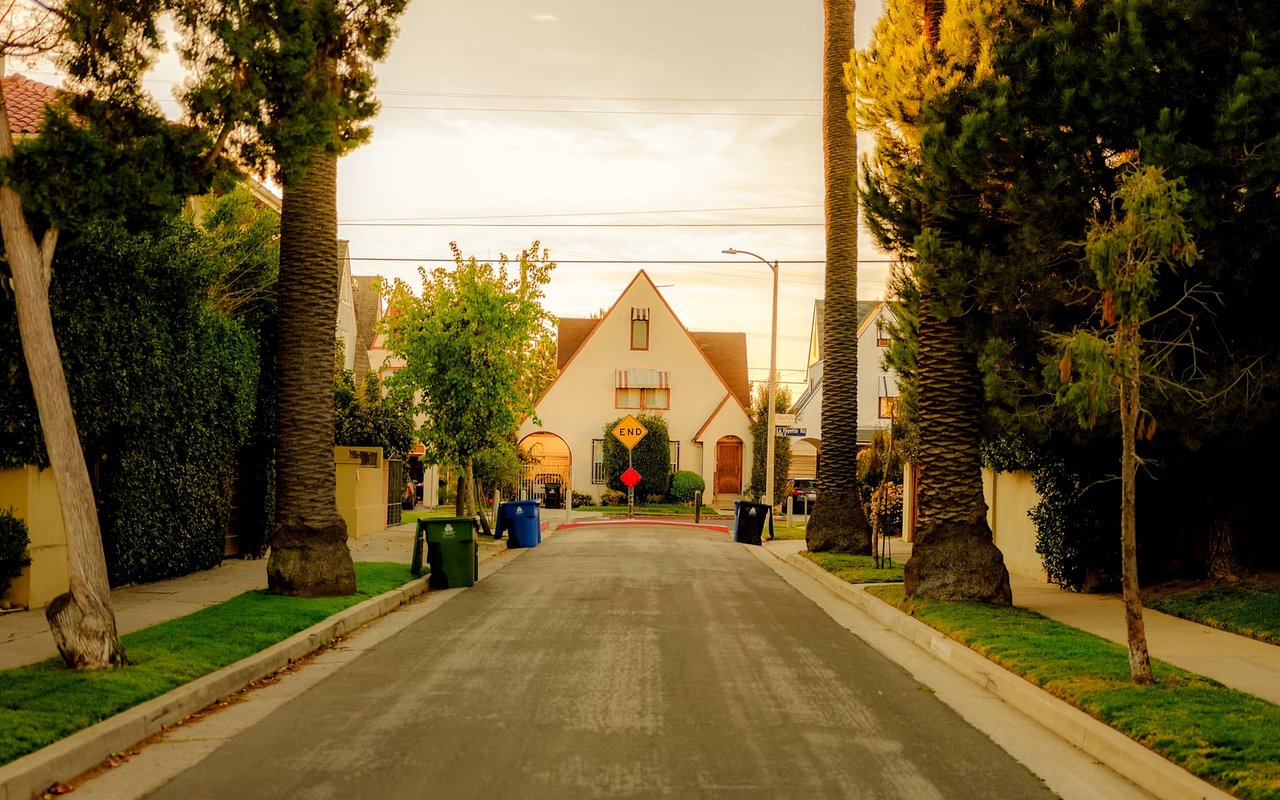
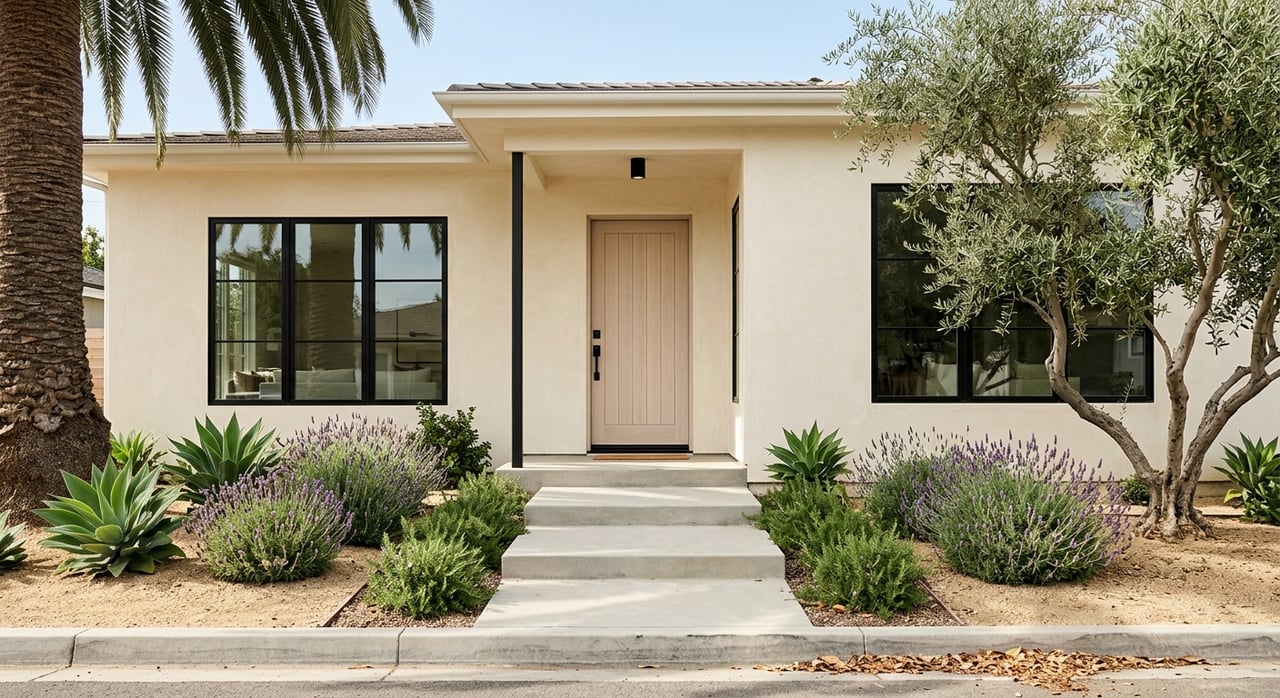
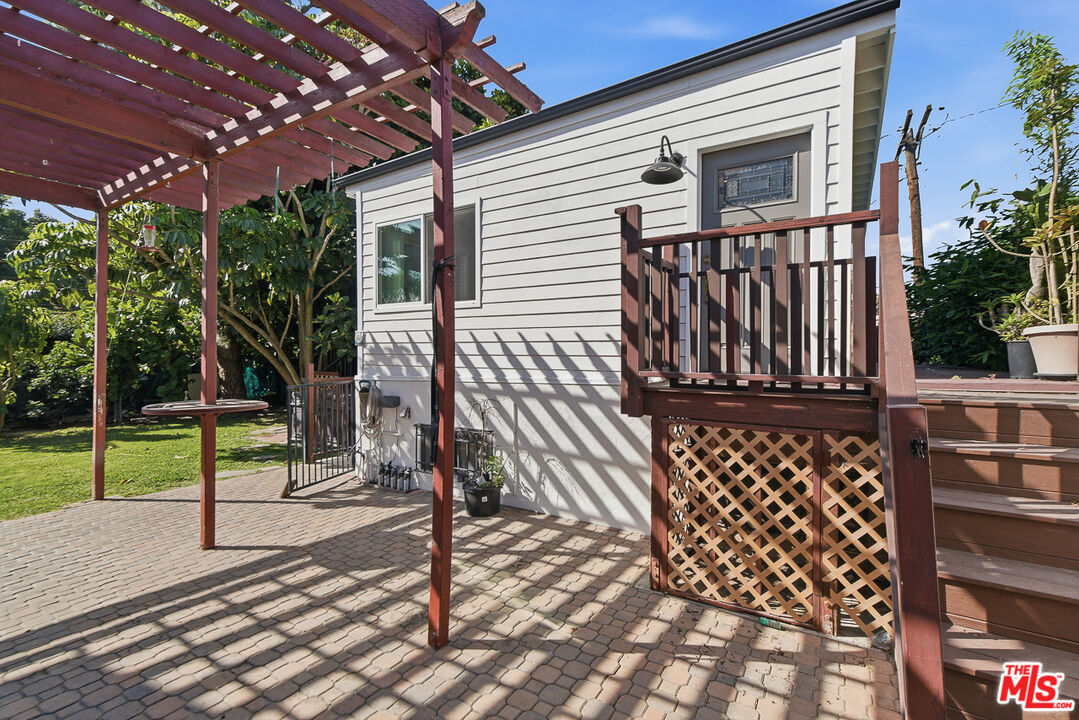
- Craftsman Bungalows: Early 20th-century homes featuring characteristic exposed rafters, built-in cabinetry, and front porches. Often renovated to modern standards while maintaining historic character. Typically 2-3 bedrooms on smaller lots ($900K-$1.5M).
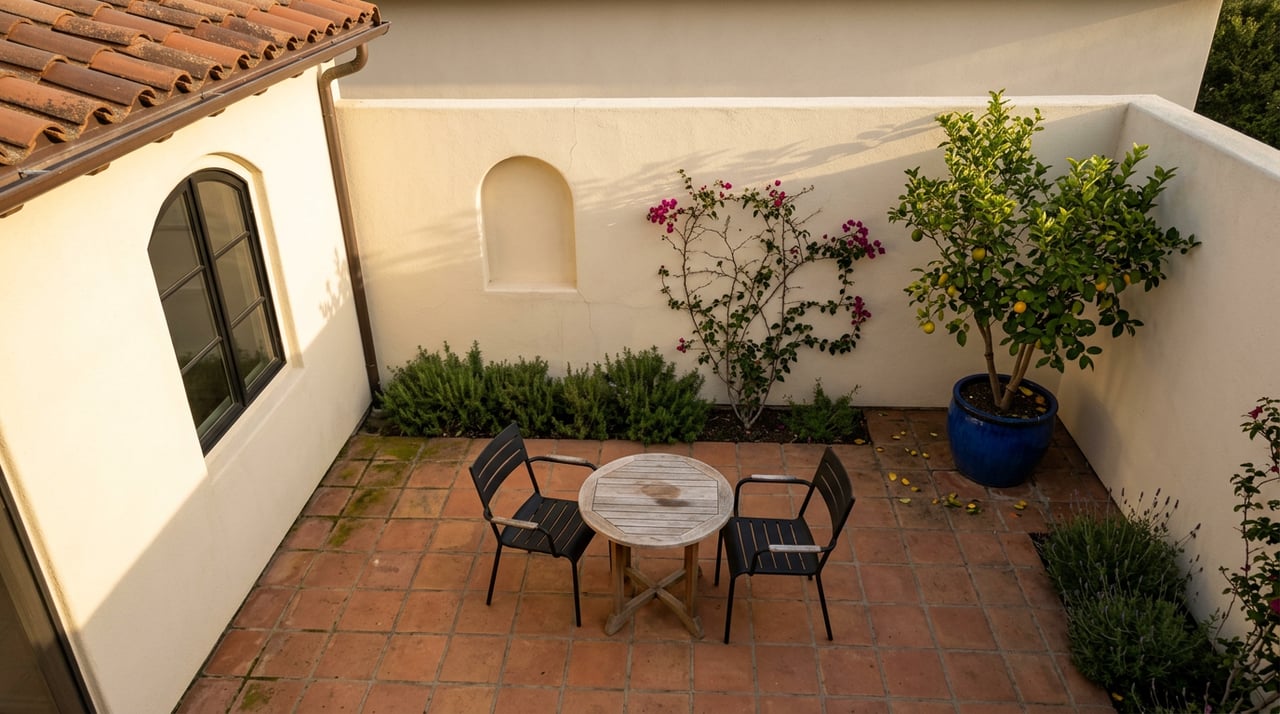
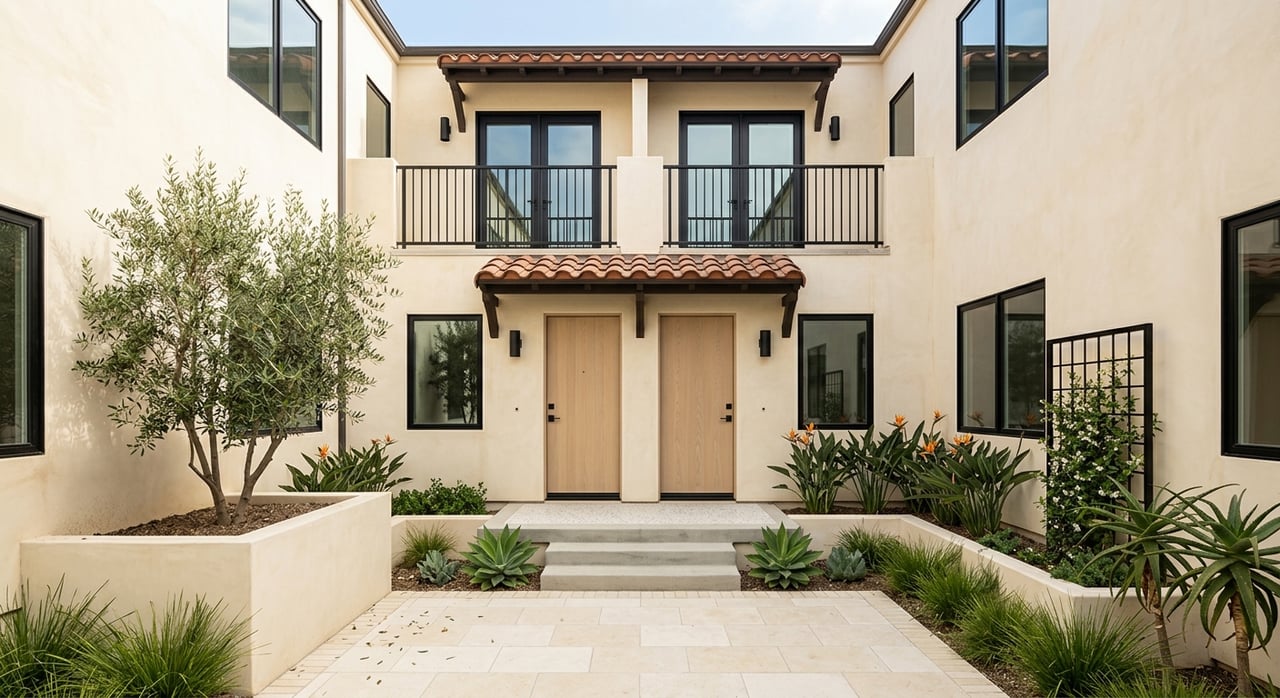
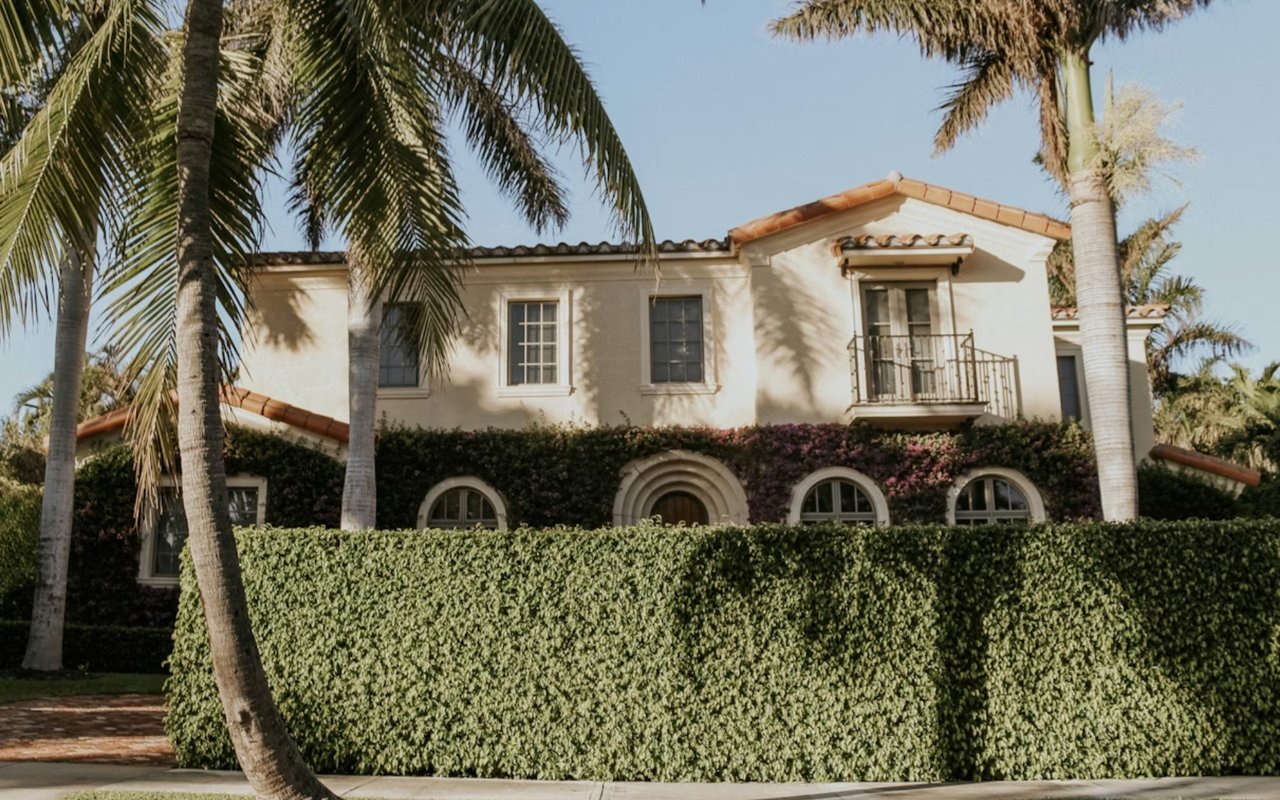
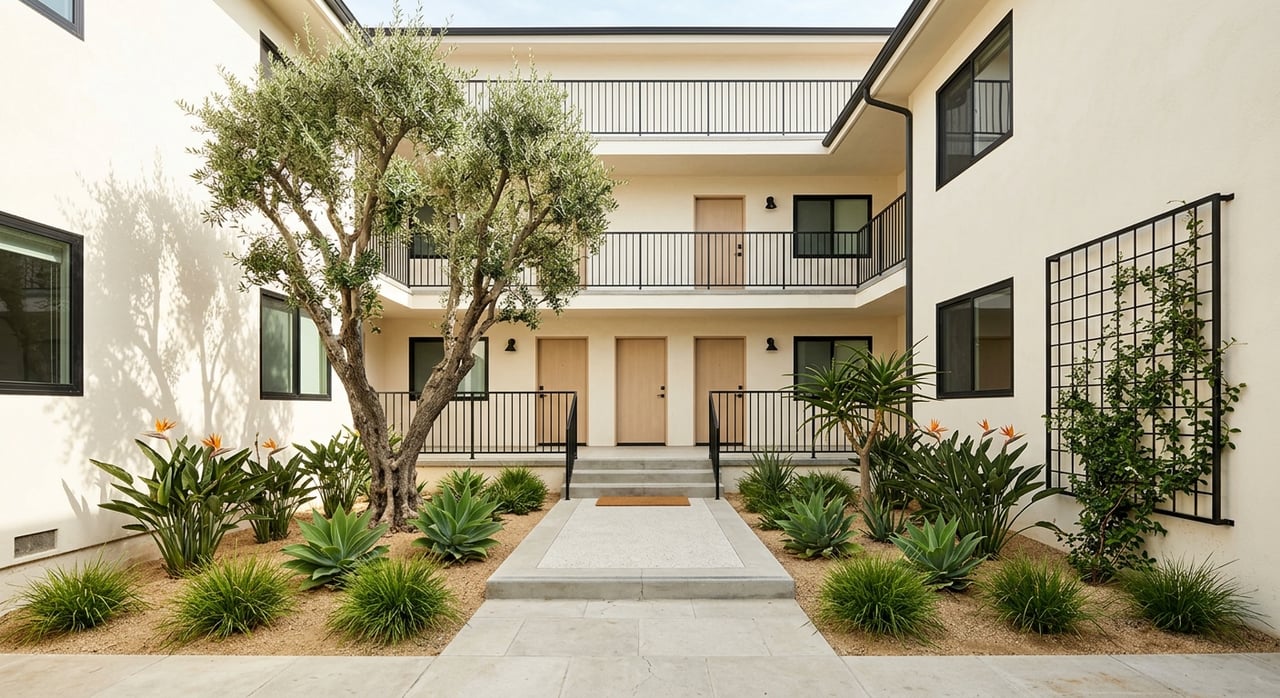
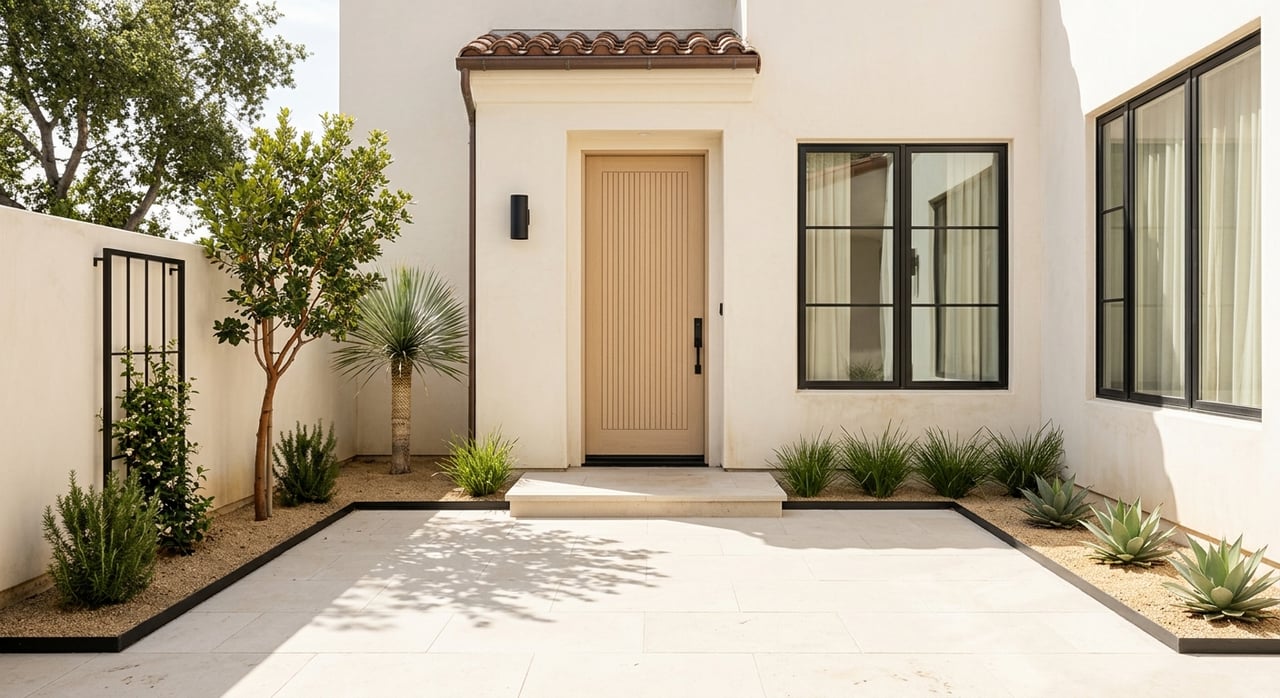
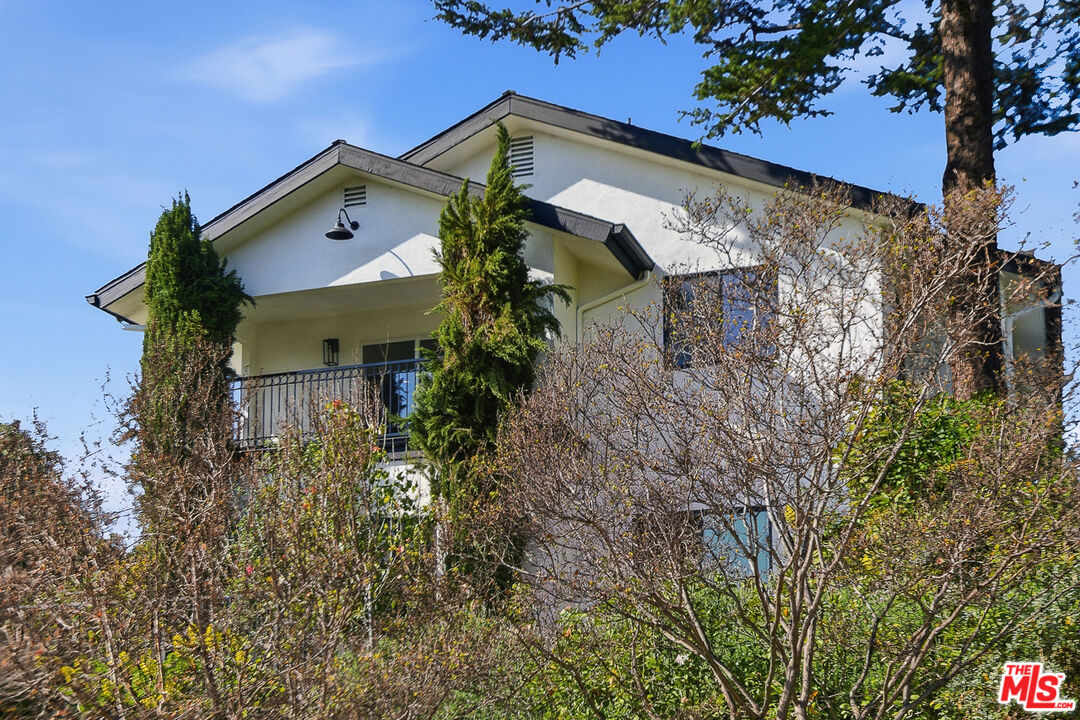
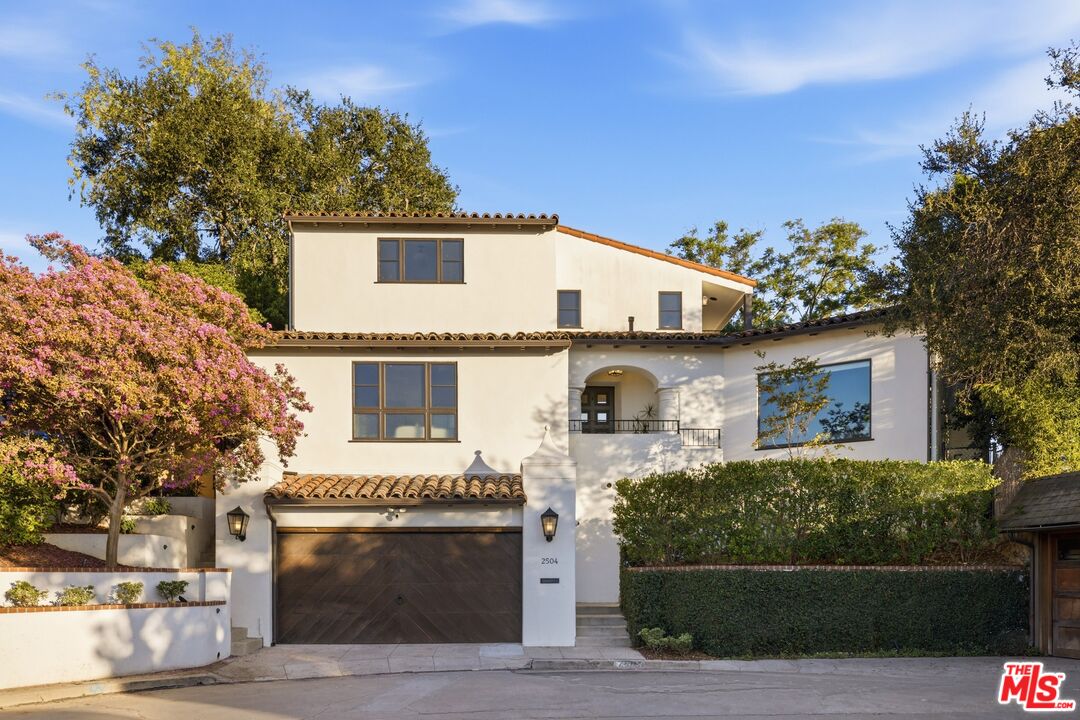
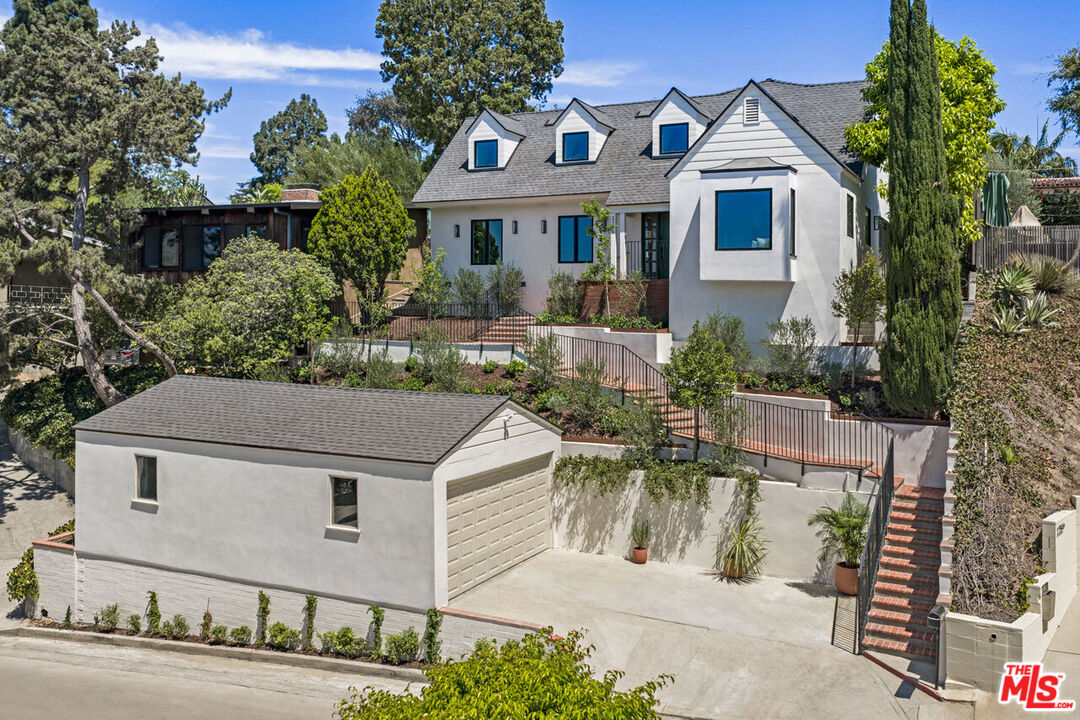
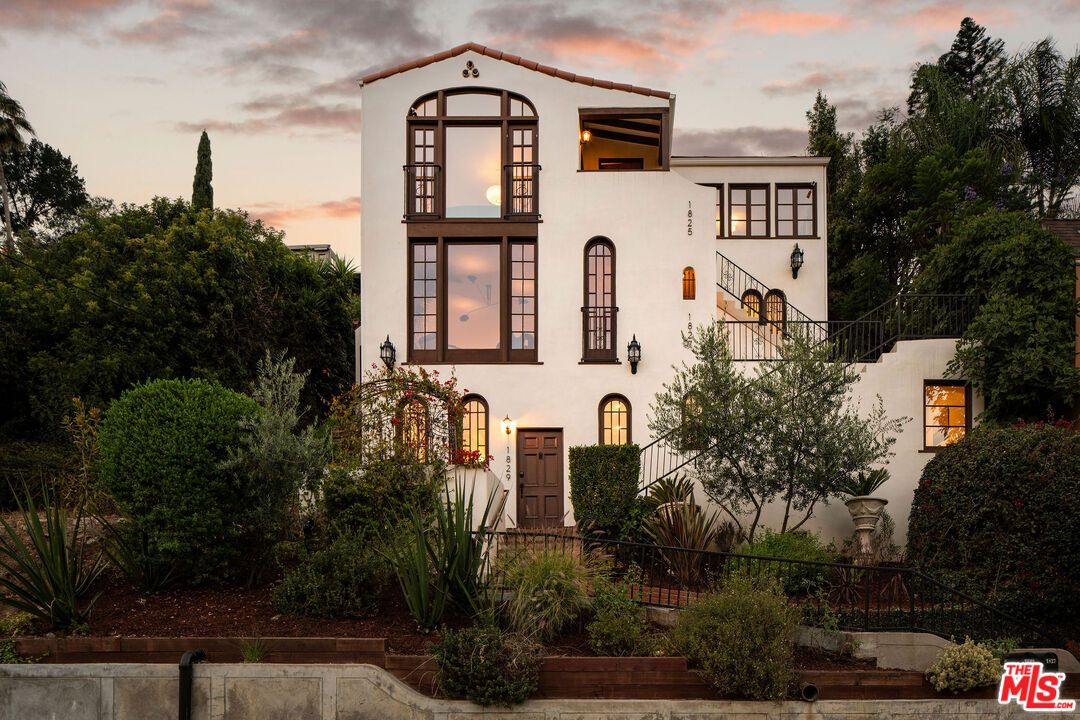
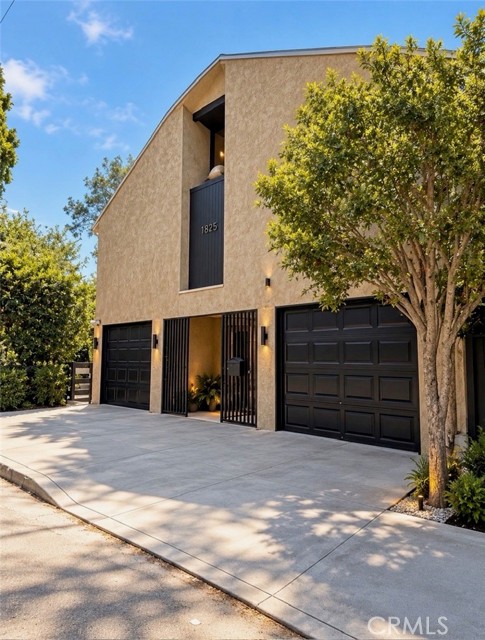
- Spanish Colonial Revival: 1920s-30s homes with white stucco, terracotta tile roofs, arched doorways, and courtyard entries. These romantic properties cluster in certain hillside pockets ($1M-$2.5M depending on condition and location).
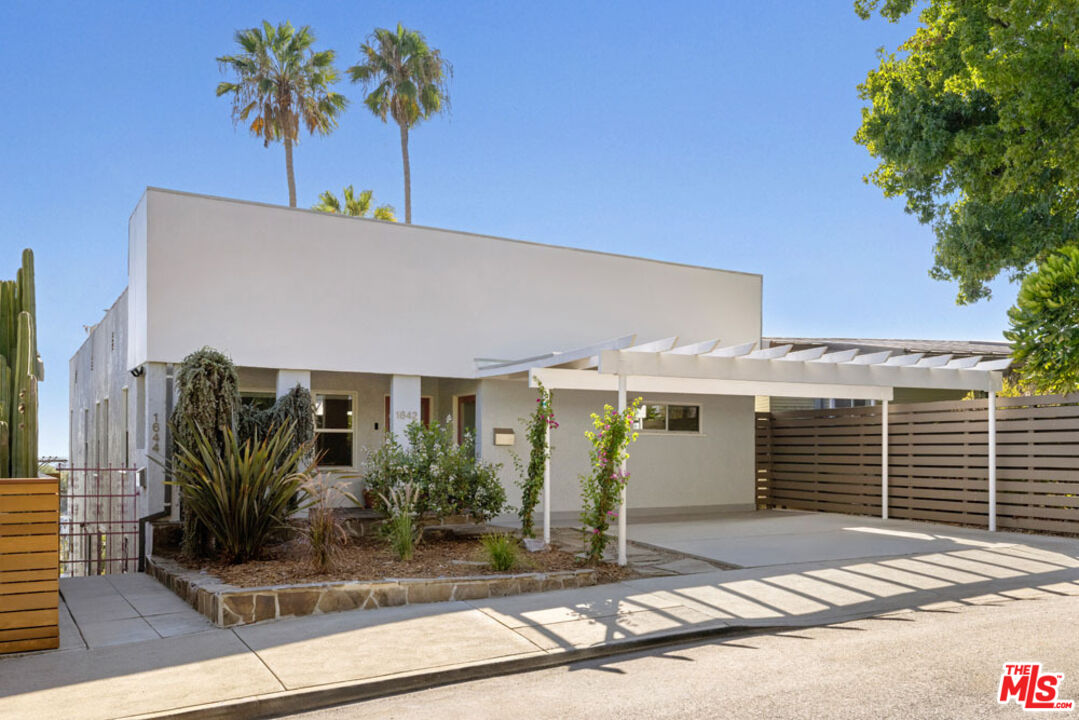
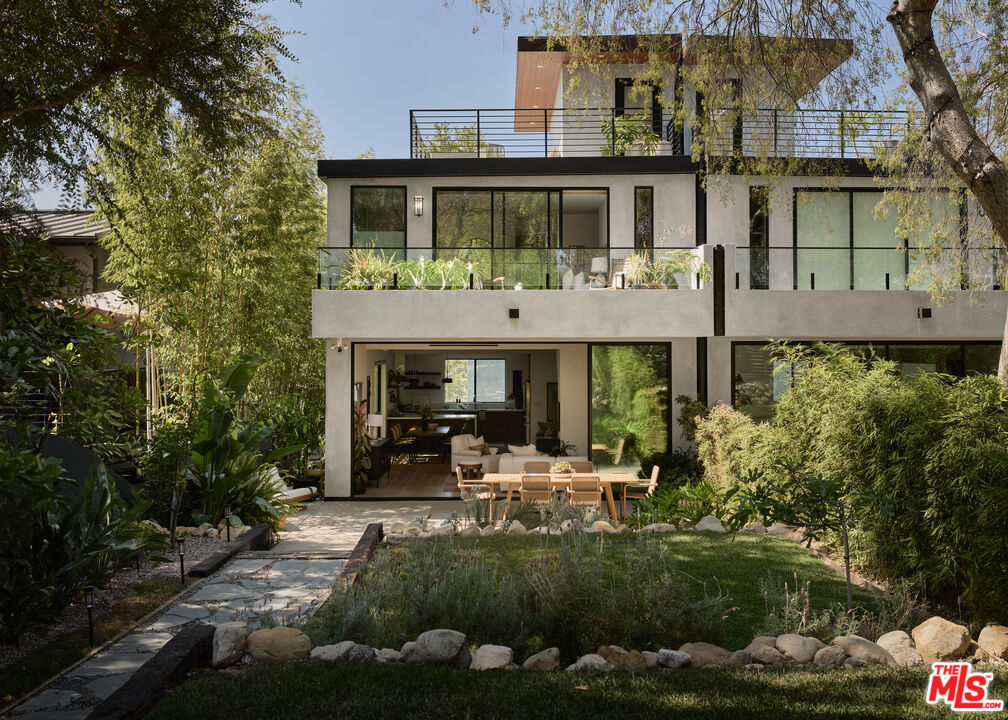
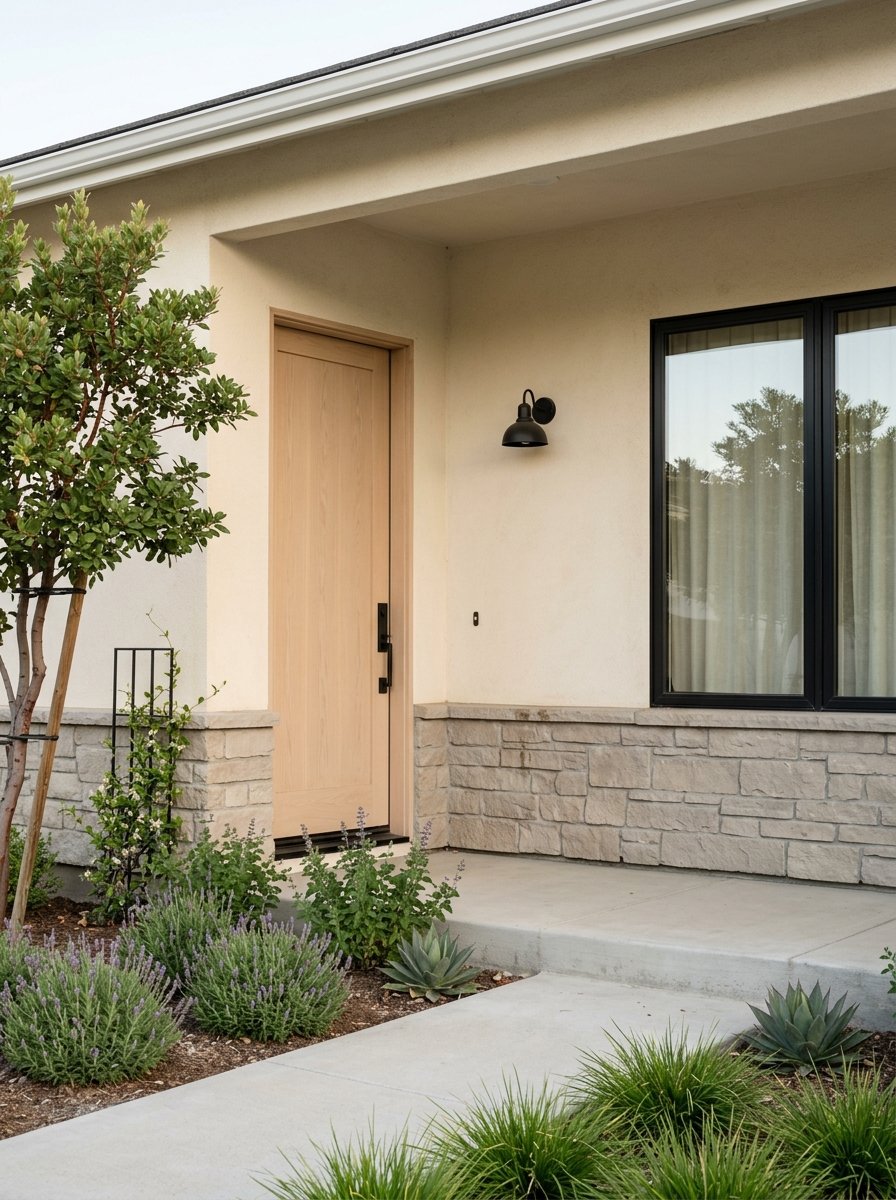
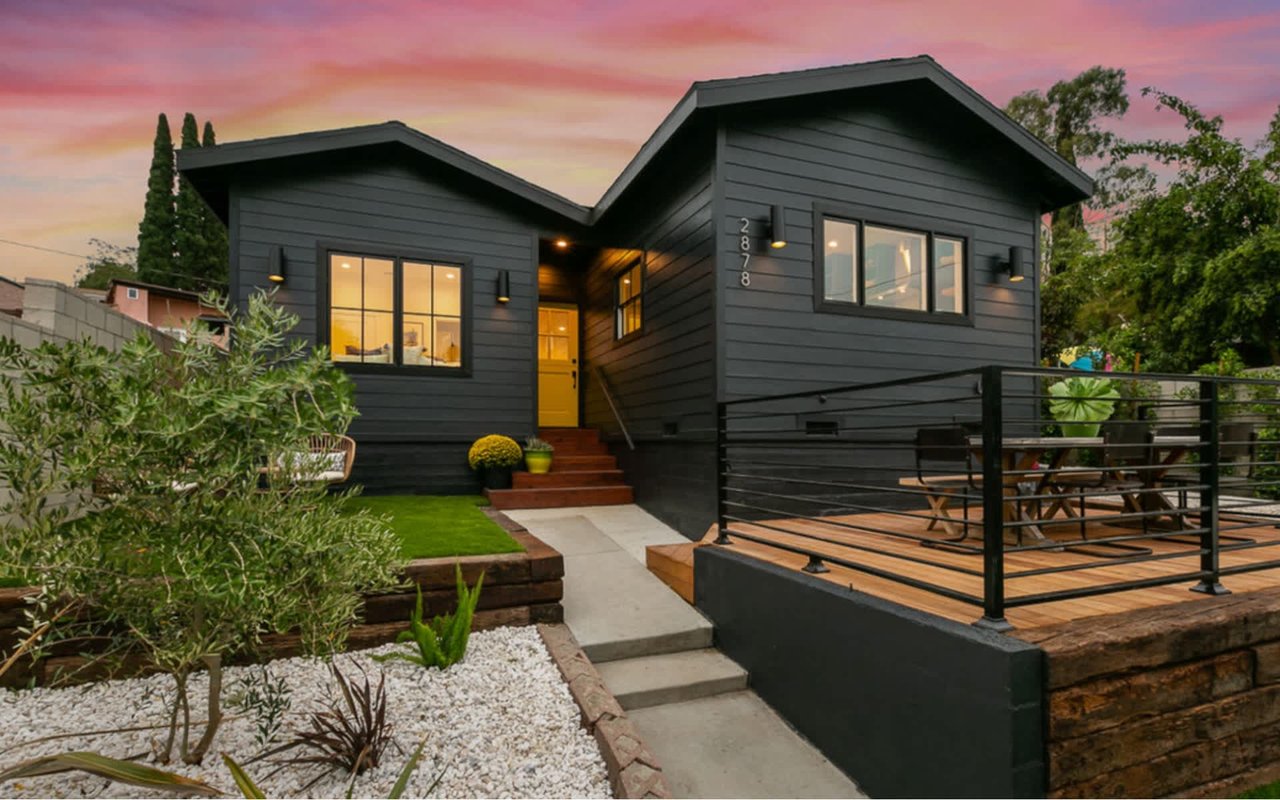
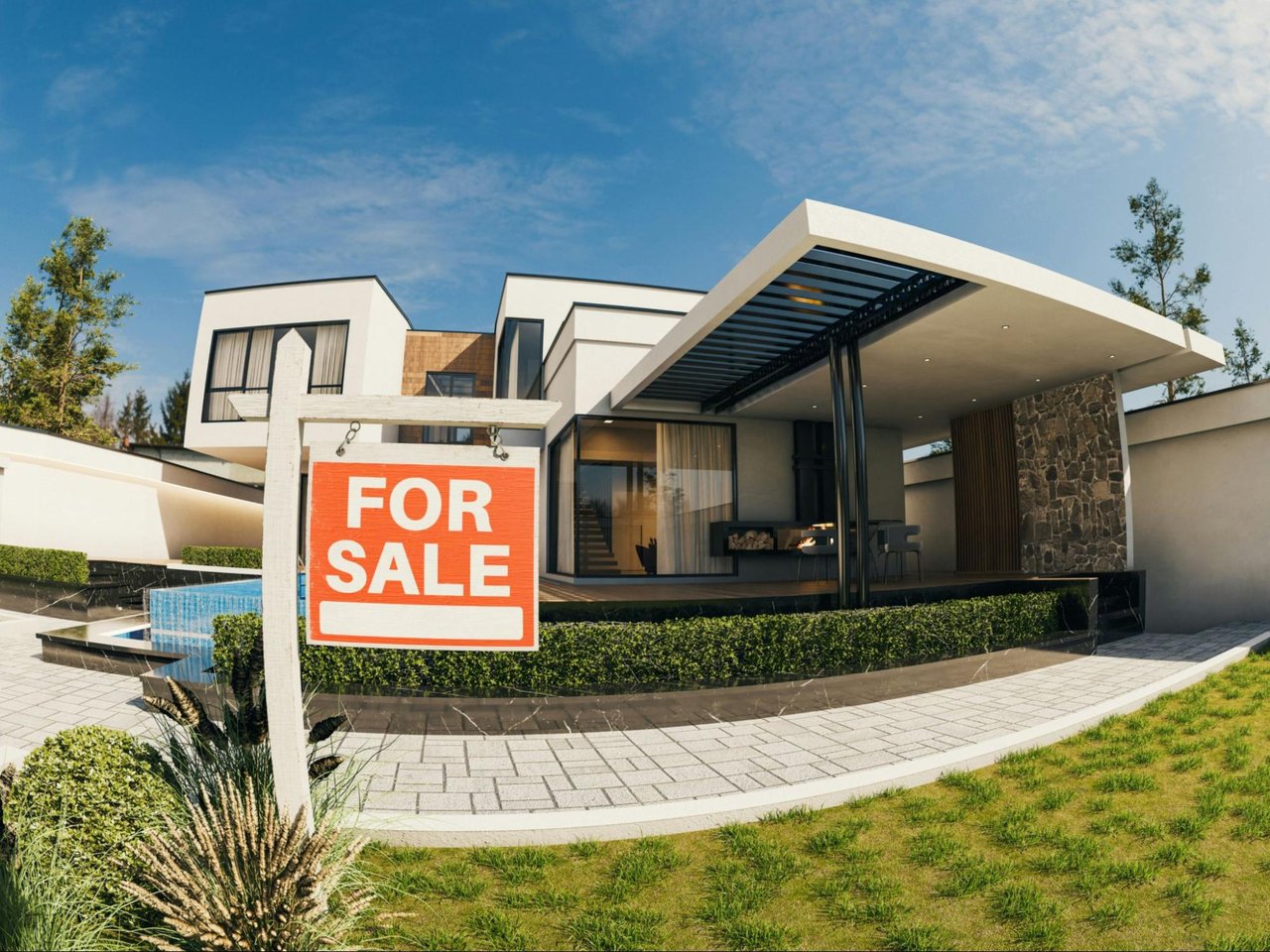
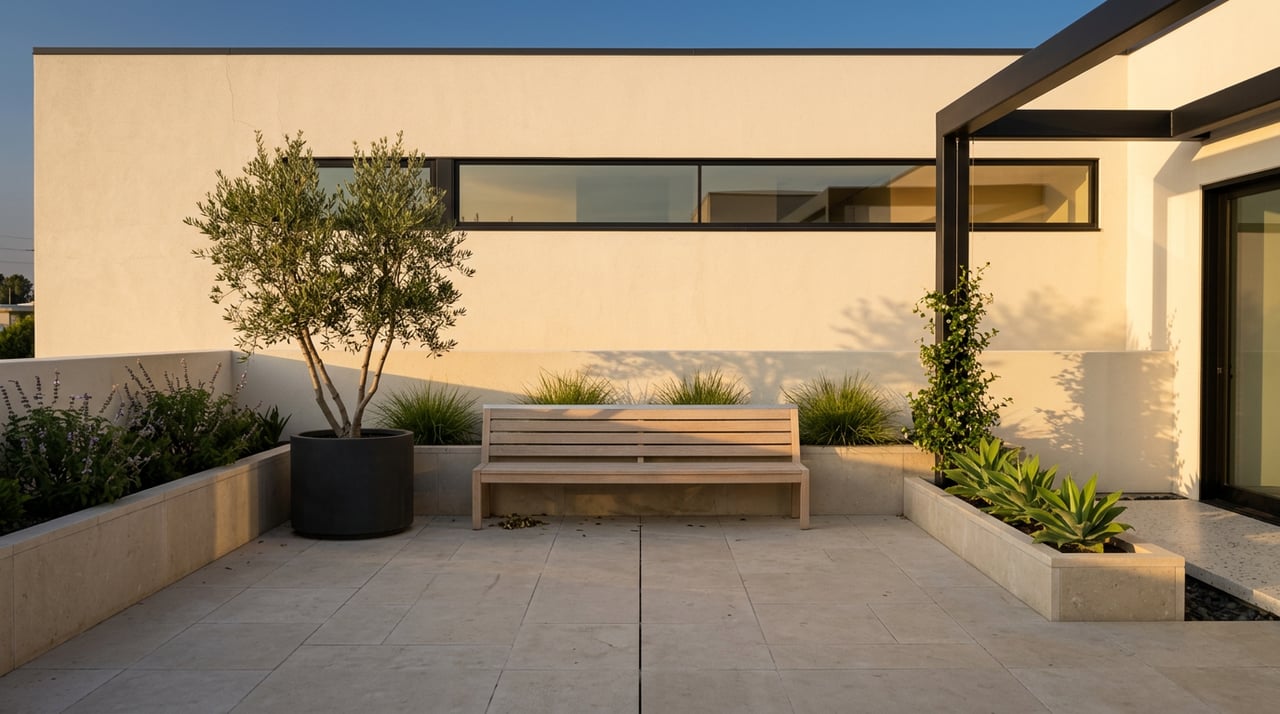
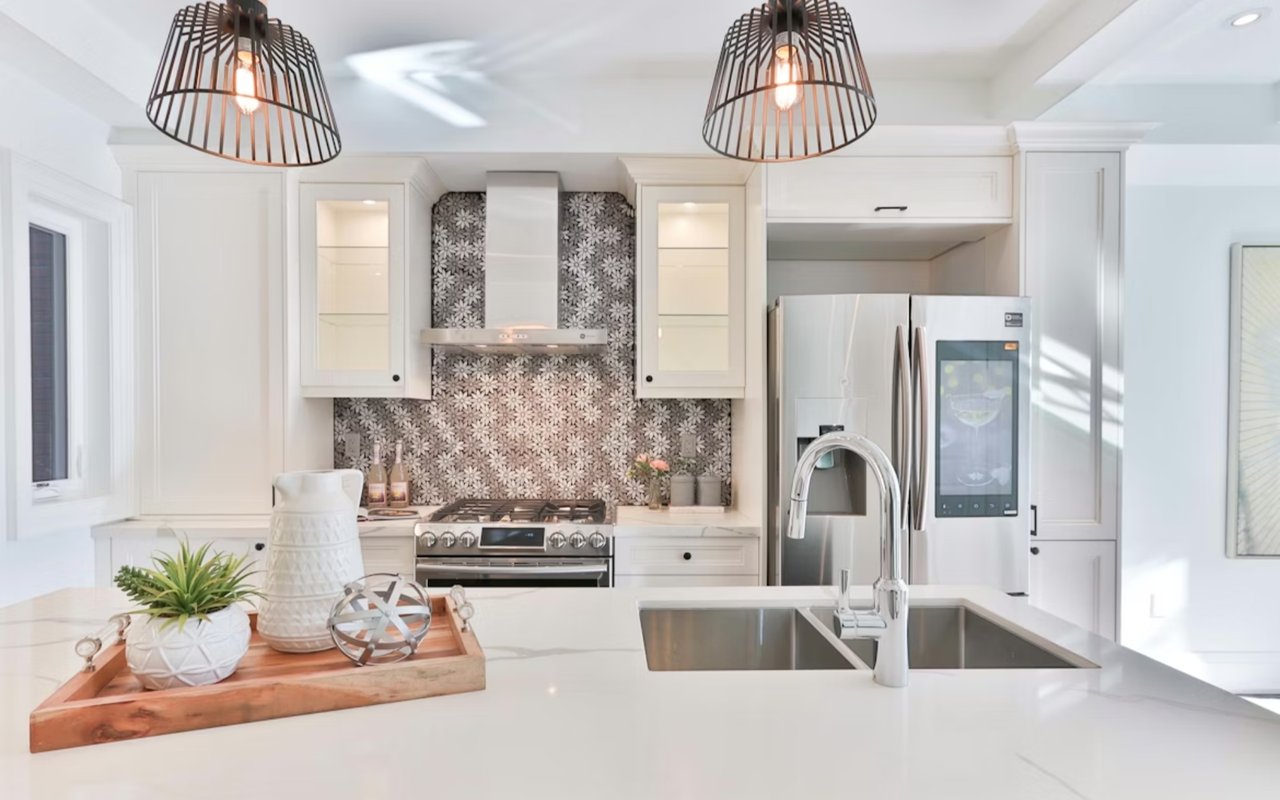
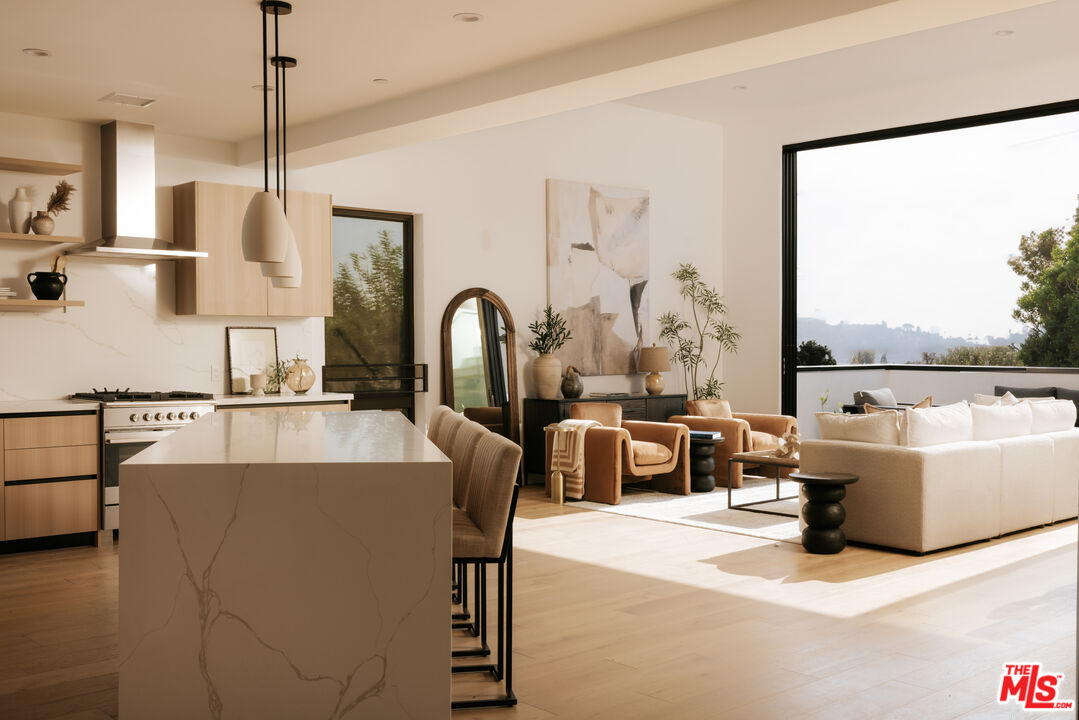
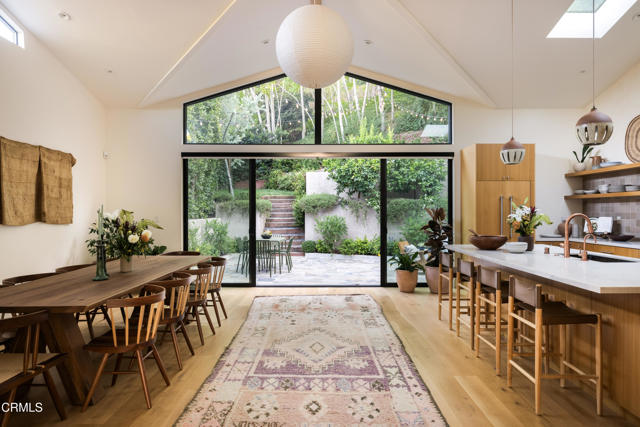
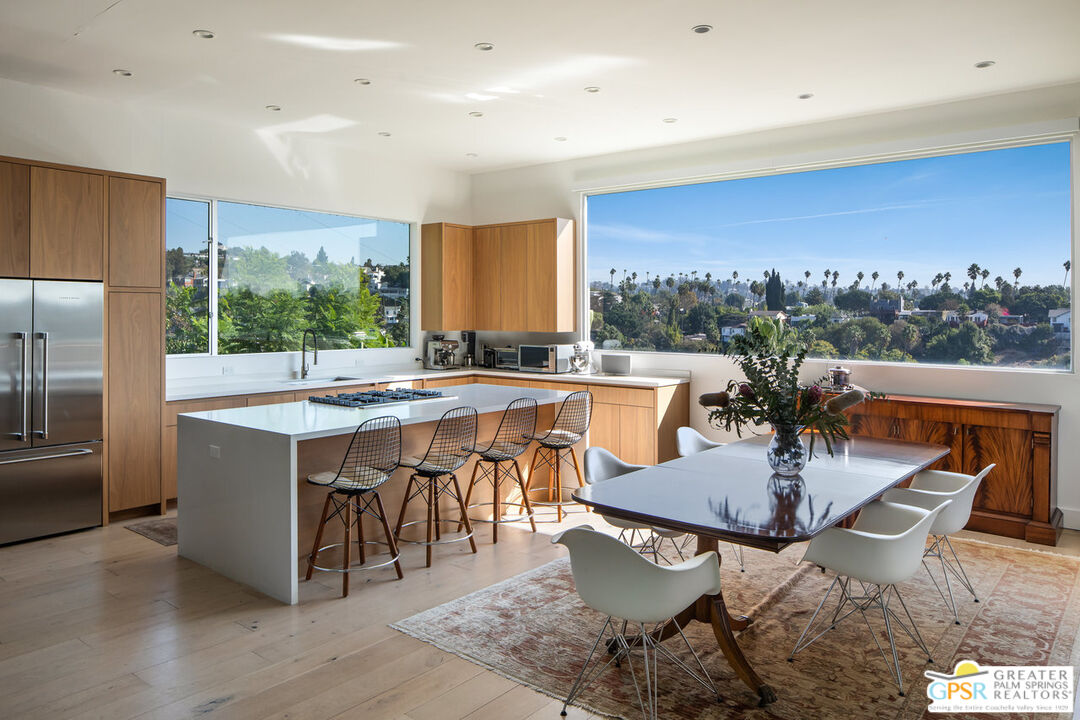
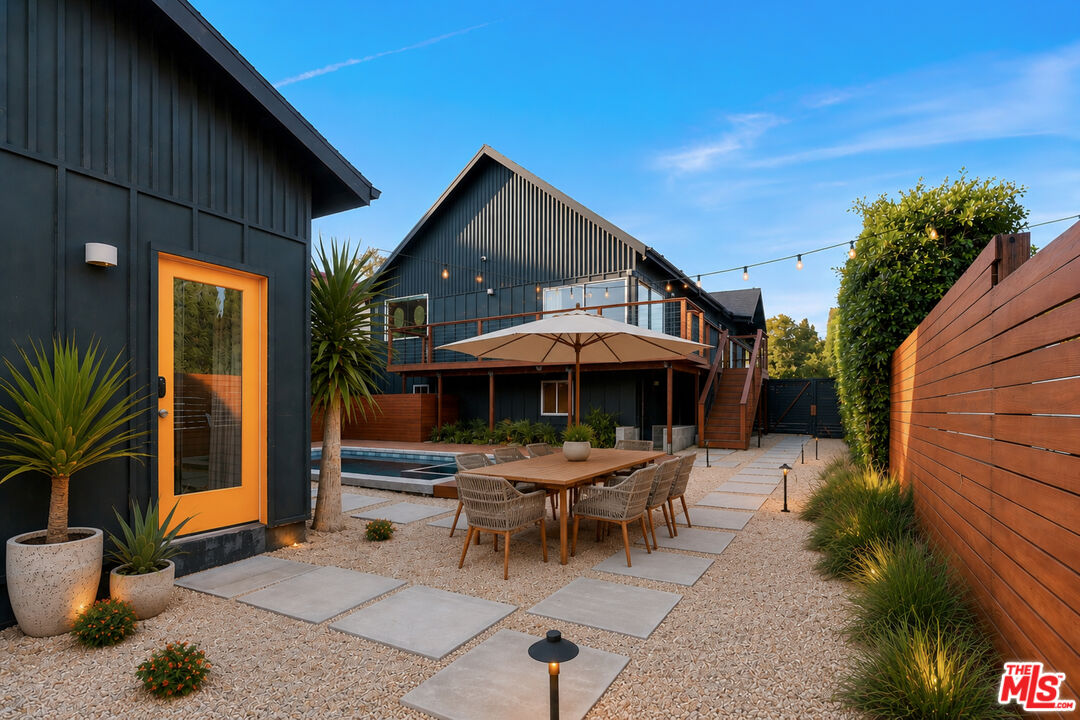
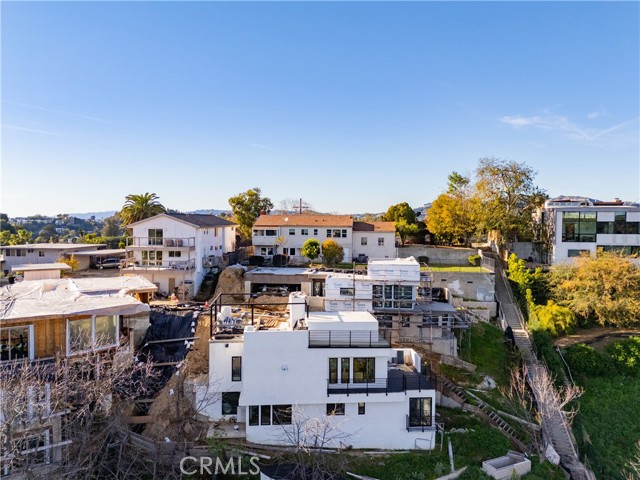
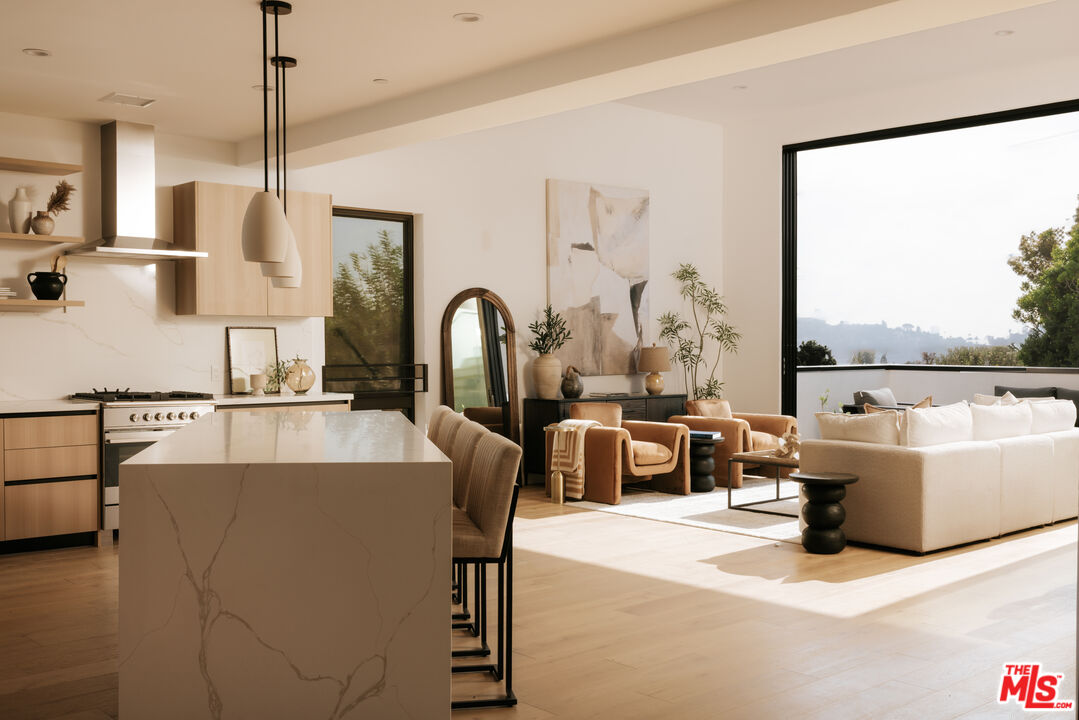
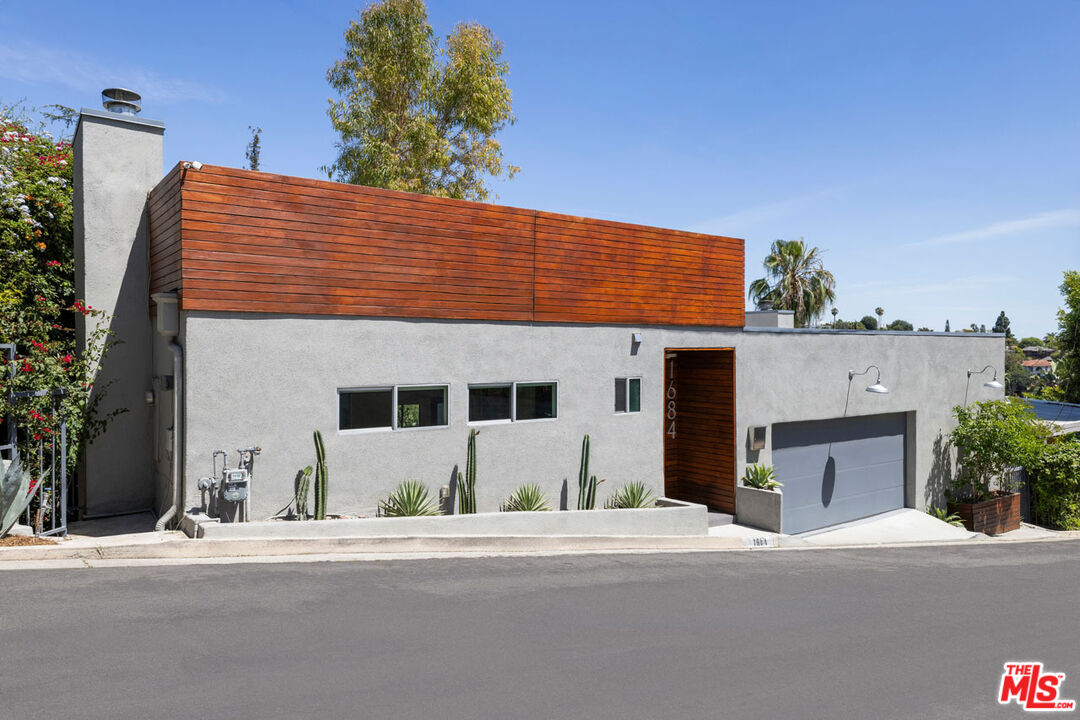
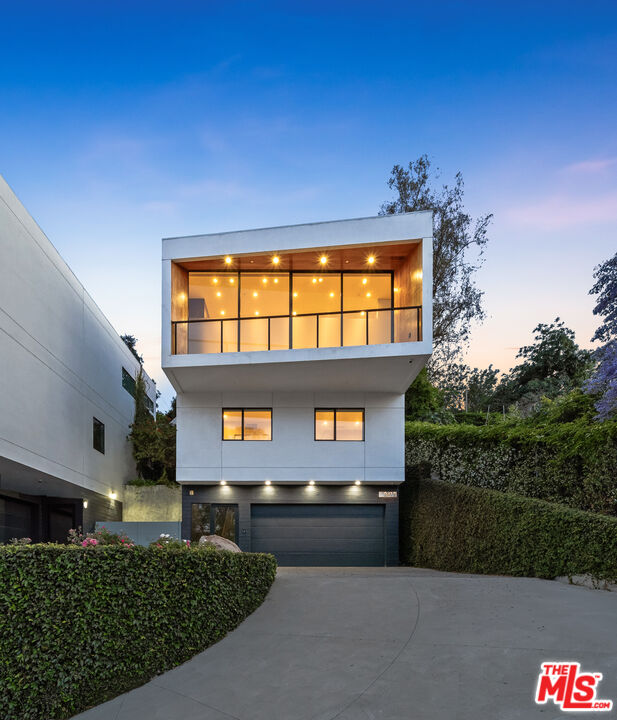
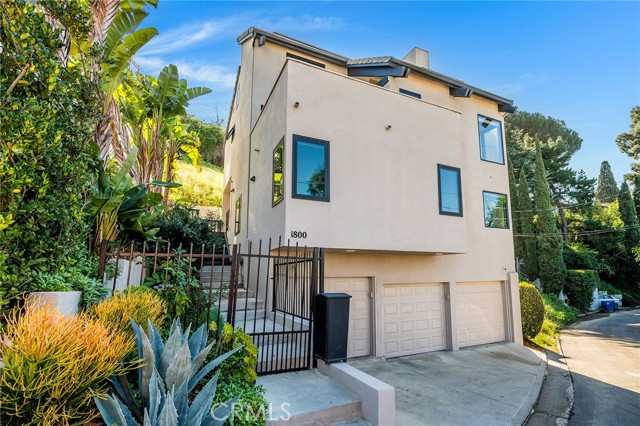
- Contemporary New Builds: Modern insertions taking advantage of hillside lots and views, featuring clean lines, sustainable materials, and open living spaces ($1.5M-$3M+).
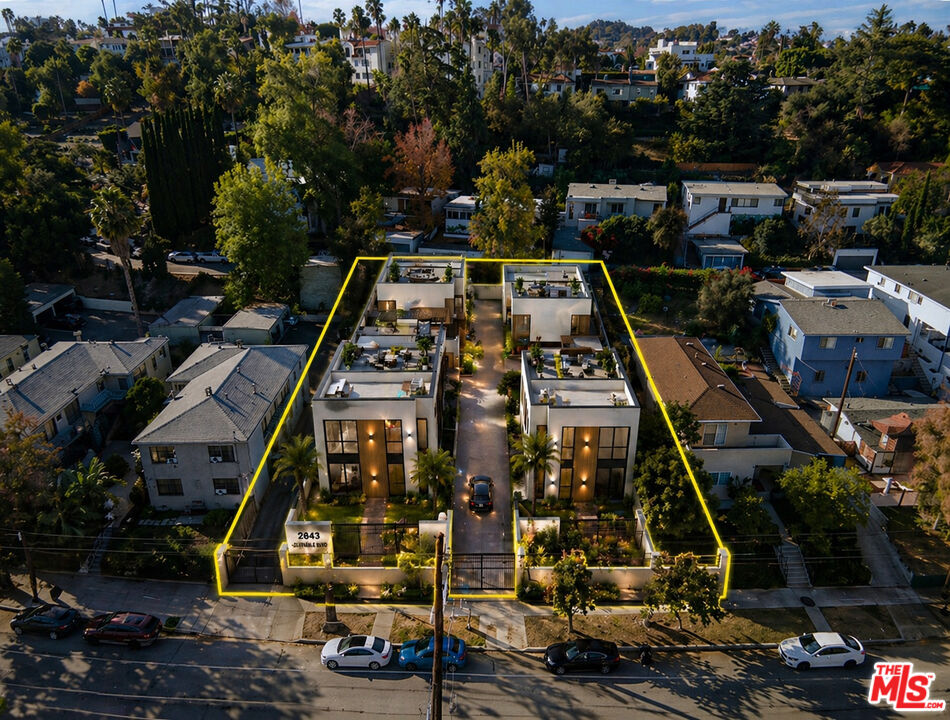
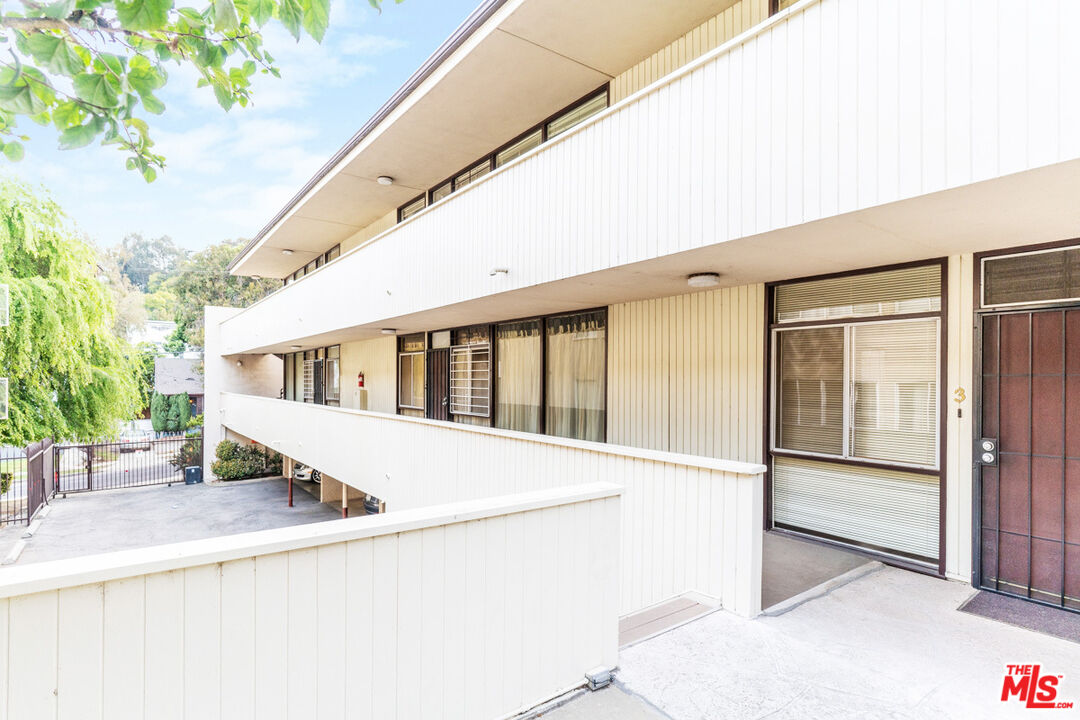
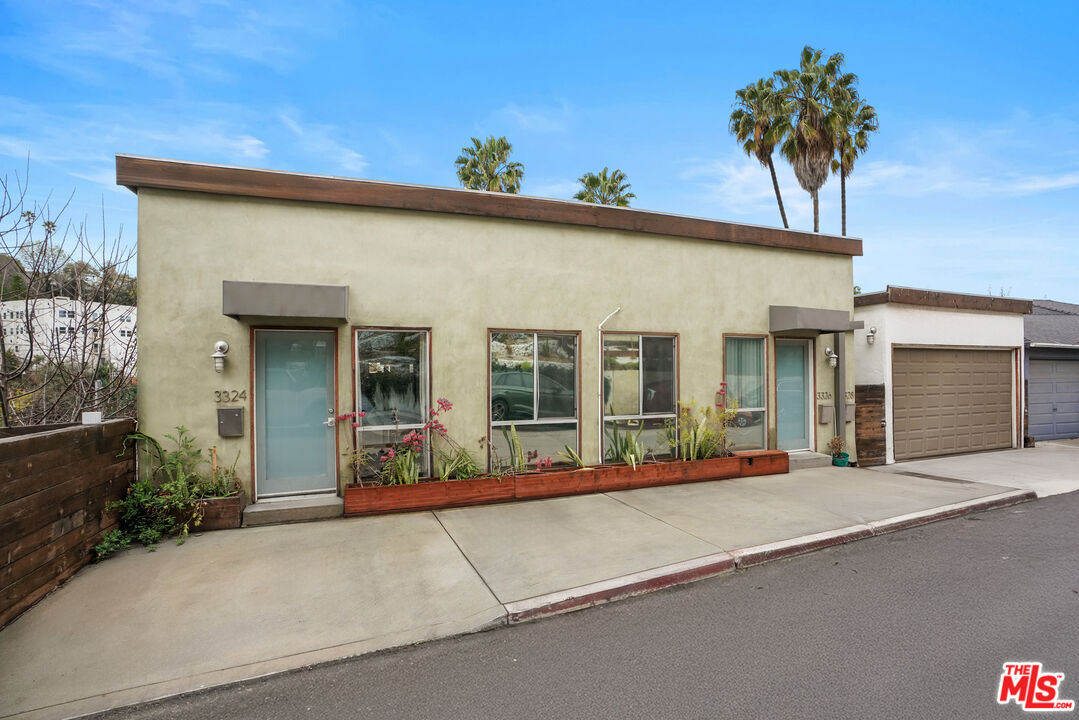
- Multi-Family Buildings: Duplexes, triplexes, and small apartment buildings—many rent-controlled—provide more accessible entry points for buyers seeking income properties or owner-occupied units ($700K-$1.2M for TIC units; $1.5M-$3M+ for entire buildings).
- Hillside Compounds: Larger properties on .5-1+ acre lots featuring main houses, guest houses, gardens, and dramatic views. These rare offerings appeal to buyers seeking space and privacy ($2M-$5M+).
- Condos and Townhomes: Limited but growing supply of contemporary condos, particularly near Sunset Junction, offering low-maintenance living ($500K-$900K).
Recent Housing Market Data
The
Silver Lake housing market is somewhat competitive, scoring 64 out of 100, with average house prices at $1.75 million last month, up 26.7% since last year. Zillow reports typical home values around $1,402,253, though values have recently decreased 4.4% over the past year, suggesting market fluctuation and sensitivity to broader economic conditions.
The median home sales price stands at approximately $1,400,000 as of February 2024, with properties showing fair appreciation rates averaging 5.3% per year over a five-year period. This steady appreciation reflects Silver Lake's sustained desirability despite periodic market corrections.
The average home sells for 99.2% of list price but takes nearly three months to find buyers, indicating a balanced market where neither buyers nor sellers hold overwhelming advantage. Properties must be appropriately priced and well-presented to sell efficiently.
Median housing costs total $1,939 monthly for all households, with renters paying median gross rent of $1,822—relatively affordable by LA standards, though this likely reflects rent-controlled units alongside market-rate properties.
The market shows inventory constraints typical of desirable LA neighborhoods. Limited teardown lots, hillside development challenges, and community resistance to large-scale projects restrict new supply, supporting long-term price stability. Properties with architectural significance, reservoir proximity, exceptional views, or turnkey condition command premiums and sell fastest.
Why Invest in Silver Lake Real Estate
- Central Location & Access: Silver Lake's position between Downtown, Hollywood, and Westside makes it strategically valuable for professionals working across LA. As remote work enables location flexibility, centrality gains importance.
- Walkable Urban Lifestyle: Among LA neighborhoods, Silver Lake offers rare pedestrian functionality, appealing to buyers seeking urban amenities without total car dependence. This walkability premium will likely appreciate as younger buyers prioritize this attribute.
- Architectural Significance: Historic mid-century modern homes and character properties attract buyers globally, creating international demand that insulates the market during downturns. Architecture enthusiasts view Silver Lake as essential.
- Cultural Cachet: The neighborhood's creative reputation, LGBTQ+ history, and celebrity associations (though understated compared to West Hollywood or Beverly Hills) provide brand value supporting prices.
- Strong Rental Demand: The rental market remains robust, with particular demand for three-bedroom rentals commanding approximately $7,068 monthly—creating income property investment potential.
- Limited Supply: Hillside constraints, historic preservation, and community resistance to overdevelopment restrict new housing, creating scarcity that supports values.
- Gentrification Trajectory: While gentrification brings complexity and displacement concerns, from pure investment perspective, Silver Lake's transformation from gritty to chic demonstrates continued upward trajectory with room for further appreciation in emerging pockets.
- Demographic Tailwinds: Millennials and Gen Z prioritize walkability, authenticity, and cultural vibrancy—attributes Silver Lake delivers, suggesting sustained demand from younger buyers.
Factors to Consider When Buying/Selling Properties in Silver Lake
When Buying
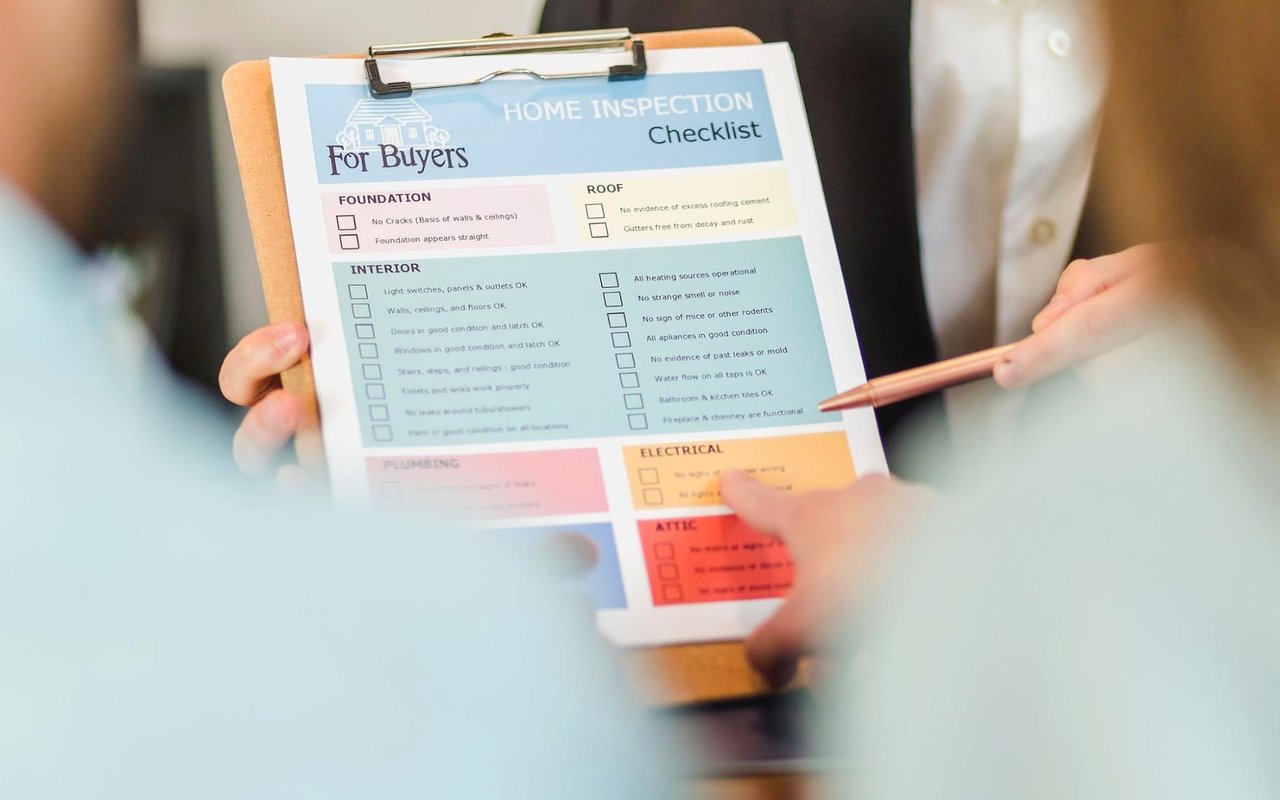
- Hillside Challenges: Silver Lake's dramatic topography creates practical issues. Hillside homes may require extensive retaining walls, complicated foundations, challenging access during construction/moving, limited flat yard space, and ongoing maintenance to prevent erosion. Buyers must budget for specialized inspections assessing geological stability, drainage, and structural integrity unique to hillside construction.
- Parking Realities: Many older Silver Lake properties lack adequate parking, with single-car garages or street parking only. In a neighborhood attracting multiple-car households, parking stress creates daily friction. Prioritize properties with dedicated parking or accept the trade-off of circling for street spaces.
- Architectural Authenticity vs. Renovation: Mid-century modern purists battle over maintaining original condition versus updating for contemporary living. Properties retaining period-specific features (original kitchens, bathrooms, fixtures) command premiums from collectors but require lifestyle compromises. Renovated properties offer modern comfort but may lose architectural significance and corresponding value premium. Determine your priorities before purchasing.
- TIC Properties: Silver Lake and Echo Park host numerous Tenants in Common (TIC) properties, akin to duplexes or triplexes functioning like condo associations. TICs offer more affordable entry points ($600K-$800K) but involve co-ownership complexities, shared expenses, and potential conflicts with co-owners. Understand TIC agreements thoroughly before purchasing.
- Reservoir Proximity Premium: Properties within walking distance of Silver Lake Reservoir command 10-20% premiums over comparable homes further away. Decide whether reservoir access justifies the price difference based on your lifestyle priorities.
- Noise Considerations: Sunset Boulevard and major corridors generate traffic noise. Hillside homes above these streets avoid noise but face access challenges. Quiet residential streets exist but limit walkability. Visit properties at multiple times to assess noise levels.
- School Boundaries: While Silver Lake schools generally rate above average, specific attendance boundaries matter significantly. Verify which schools serve the property and research performance, programs, and parent reviews.
When Selling
- Highlight Architectural Pedigree: If your property has architectural significance—noted architect, preservation awards, magazine features—leverage this extensively in marketing. International buyers and architecture enthusiasts specifically seek Silver Lake properties with documented pedigree. Professional architectural photography is non-negotiable.
- Renovation Documentation: Buyers increasingly value renovation quality and permitting compliance. Document all work with permits, receipts, warranty information, and before/after photos. Unpermitted work creates deal complications and price reductions.
- Parking Solutions: If your property lacks parking, present solutions—nearby permit parking, tandem arrangements, or potential to add parking—rather than hoping buyers won't notice. Properties with parking sell faster and command higher prices.
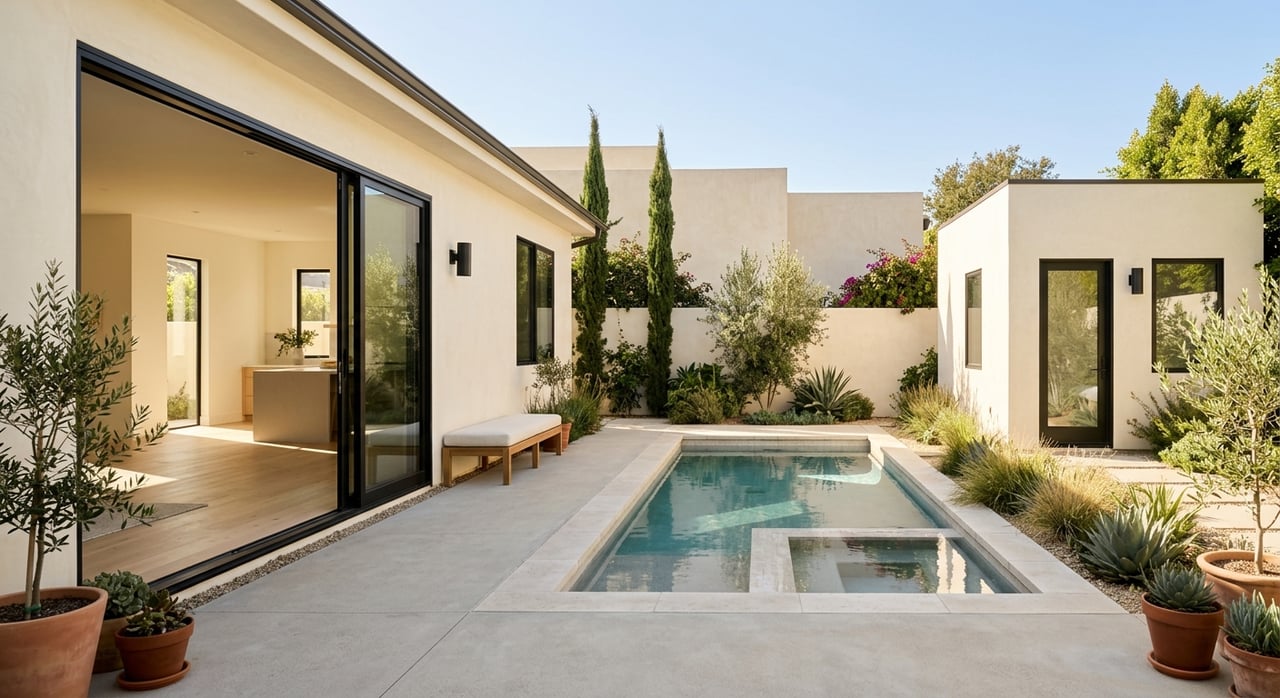
- Stage for the Silver Lake Lifestyle: Silver Lake buyers aren't purchasing generic LA real estate; they're buying into specific lifestyle and aesthetic. Stage properties to reflect the neighborhood's creative, design-conscious, indoor-outdoor California living ethos. Hire stagers familiar with Silver Lake specifically.
- Price Appropriately: With average days on market approaching three months, overpricing proves costly. Analyze comparable sales carefully, accounting for architectural significance, condition, parking, views, and location within Silver Lake. Properties priced aggressively sit unsold while appropriately priced homes attract multiple offers.
- Market Seasonally: Spring (March-May) brings strongest buyer activity as weather improves and families target summer moves before school starts. Winter (November-February) sees fewer buyers but also less competition. Time listings strategically based on property type and urgency.
- Disclose Thoroughly: California's stringent disclosure requirements demand transparency about property conditions, past issues, neighborhood challenges, and HOA/TIC complications. Full disclosure builds trust and prevents post-closing disputes.
Schools & Education
Silver Lake's schools serve diverse populations with generally above-average performance by LAUSD standards, though quality varies:
Public Elementary Schools: Ivanhoe Elementary serves the neighborhood's eastern edge with strong community involvement and arts programming. Micheltorena Elementary near the reservoir attracts families seeking walkable school access. Both schools demonstrate parent engagement typical of gentrifying neighborhoods.
Public Middle Schools: Thomas Starr King Middle School serves Silver Lake students with magnet programs drawing citywide enrollment. The school's location at the Silver Lake/Echo Park border makes it accessible to both neighborhoods.
Public High Schools: John Marshall High School in Los Feliz serves Silver Lake students seeking public high school options. The school offers various programs including visual and performing arts magnets.
Private Schools: Many Silver Lake families opt for private education, choosing from nearby options including Lycée International de Los Angeles (French immersion), Oakwood School (progressive education), or various Catholic schools in surrounding neighborhoods. Some families commute to Westside private schools.
Charter Schools: Multiple charter options operate in and around Silver Lake, offering alternative approaches to traditional public education.
The educational landscape reflects Silver Lake's economic diversity—affluent families often choose private schools while working-class families rely on public options, with charter schools occupying middle ground.
Parks and Outdoor Spaces
Silver Lake Reservoir Complex: The neighborhood's crown jewel offers a 2.25-mile walking path circumnavigating the water, providing residents with daily exercise, dog walking, and socializing opportunities. Recreational facilities include the Silver Lake Recreation Center, two enclosed dog parks, and the Silver Lake Meadow modeled after NYC's Central Park Sheep Meadow. The reservoir area functions as Silver Lake's de facto town square—where residents encounter neighbors, visitors admire views, and community bonds form organically.
Public Staircase Network: Silver Lake's famous staircases—including the colorful Micheltorena Stairs and historic Music Box Steps (featured in the 1932 Laurel and Hardy film)—provide both fitness opportunities and architectural discovery routes through hillside neighborhoods. The staircases, originally connecting homes to streetcar lines, now serve recreational purposes and attract tourists seeking Instagram-worthy painted steps.
Bellevue Recreation Center: Located southwest of the reservoir, this neighborhood park offers baseball diamonds, soccer fields, basketball courts, playgrounds, BBQ pits, and a half-mile running path—serving as family gathering spot and youth sports hub.
Sunset Triangle Plaza: This small urban plaza hosts the twice-weekly Silver Lake Farmers Market, summer outdoor film screenings (Silver Lake Picture Show), and community events, creating public gathering space in the neighborhood's commercial heart.
Shopping, Dining, and Entertainment
Shopping Districts:
Sunset Junction reigns as Silver Lake's retail epicenter where Sunset and Santa Monica Boulevards meet. The walkable district features:
- Mohawk General Store: Minimalist boutique showcasing Japanese denim, Scandinavian design, and curated fashion
- Yolk: Scandinavian-inspired shop with home goods and kids' items
- Dream Collective: Small-batch jewelry and ceramics
- Rockaway Records: Vinyl institution run by brothers who've witnessed neighborhood evolution
- Golden Age: Vintage clothing from Hollywood's golden era (1920s-50s)
- Recollection LA: Women's vintage clothing, vinyl, and books with boho aesthetic
- Bar Keeper: Cocktail supplies, glassware, and small-batch spirits
Hyperion Avenue and
Silver Lake Boulevard offer additional boutiques, vintage shops,
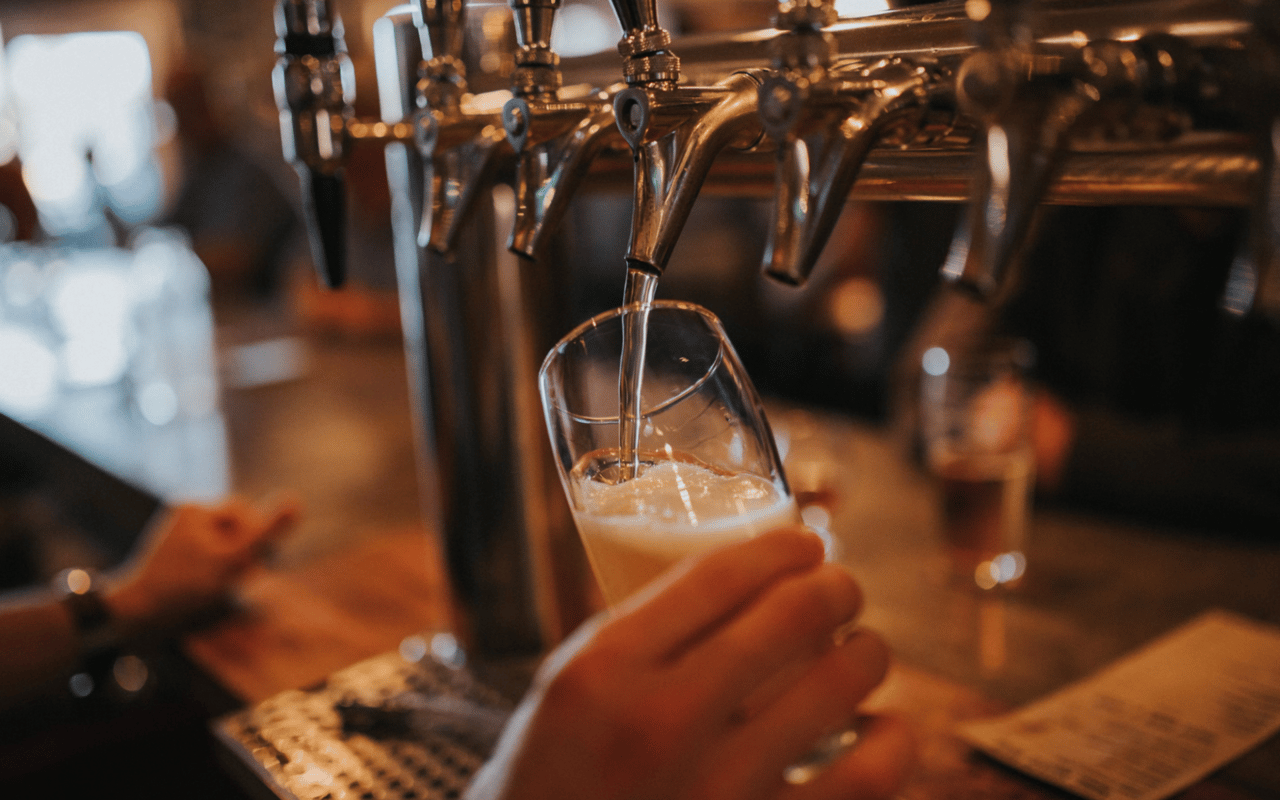
breweries, and specialty retailers catering to design-conscious residents.
Dining Scene:
- Millie's: Silver Lake institution since 1926, classic diner serving scratch-made comfort food
- Café Tropical: Cuban bakery and café (since 1975) known for pastries and strong coffee
- Intelligentsia Coffee: Third-wave coffee anchor at Sunset Junction with iconic tiled patio
- Pine & Crane: Taiwanese restaurant with simple small-plate dining and devoted following
- Pijja Palace: Indian-Italian fusion sports bar with playful menu (malai rigatoni, green chutney pizza)
- Hot Tongue: Vegan pizza by the slice or whole pie
- Night + Market Song: Spicy Thai favorite drawing crowds nightly
- Silverlake Ramen: Original location of now-nationwide chain
- Azizam: Persian cuisine translating to "my dear," offering Mediterranean flavors
- Botanica: Greek taverna channeling island atmosphere with souvlaki and all-Greek wine list
- Izakaya Osen: Japanese izakaya with exceptional donburi and affordable sushi
- El Cid: Historic Spanish supper club (since 1963) featuring flamenco shows, tapas, and sangria
- The Satellite: Dive venue showcasing experimental and emerging music acts
- Jay's Bar: Gastrodive with craft cocktails, creative pub fare, and Japanese-American fusion
Entertainment:
- Live Music Venues: Silver Lake's reputation as indie rock incubator continues with The Satellite, Silver Lake Lounge, and occasional shows at El Cid.
- Cinema: While Silver Lake lacks traditional movie theaters, the summer Silver Lake Picture Show at Sunset Triangle Plaza screens cult classics and family favorites under stars.
- Cultural Spaces: Small galleries, popup exhibitions, and creative studios dot the neighborhood, with frequent openings attracting community.
Local Attractions and Things to Do
- Silver Lake Reservoir Walking Path: 2.25-mile loop offering exercise, views, and social opportunities
- Painted Staircase Tours: Self-guided walks exploring colorful public staircases and mid-century architecture
- Music Box Steps: Historic staircase featured in 1932 Laurel & Hardy film, now tourist photo spot
- Futterer Museum: Biblical artifacts museum (by appointment) showcasing explorer's Holy Land discoveries
- Neutra VDL House: Architectural landmark open for tours showcasing Richard Neutra's work
- Silver Lake Farmers Markets: Tuesday afternoon and Saturday morning markets at Sunset Triangle Plaza
- Mid-Century Architecture Tours: Self-guided or organized tours exploring neighborhood's modernist masterpieces
For more ideas, explore things to do in Silver Lake or discover the best ways to spend a day in Silver Lake.
Why People Love Silver Lake
Walkable Urban Living in Car-Centric LA: Silver Lake delivers the walkable urban lifestyle Angelenos crave but rarely find. The ability to walk to coffee, dinner, shopping, and socializing—without requiring a car for every errand—feels revolutionary in Los Angeles. This walkability creates street life, spontaneous encounters, and neighborhood cohesion impossible in car-dependent areas.
Architectural Significance: Living surrounded by mid-century modern masterpieces, craftsman gems, and contemporary architectural statements means daily life becomes aesthetic experience. Residents develop architecture appreciation simply through proximity, and the neighborhood's building stock attracts global attention from design enthusiasts.
Creative Community & Cultural Cache: Silver Lake's artist/musician/filmmaker density creates informal creative networks, collaboration opportunities, and cultural energy. Whether you're creative professionally or simply appreciate being surrounded by creative culture, Silver Lake delivers inspiration and community.
The Reservoir: Having a 2.25-mile walking loop with city views, mountain backdrops, and shimmering water at the neighborhood's heart provides daily nature access within urban context—a amenity combination rare in major cities globally. The reservoir functions as town square, fitness center, dog park, and meditation space simultaneously.
Authentic Neighborhood Character: Despite gentrification pressures, Silver Lake maintains authenticity—locally-owned businesses over chains, historic dive bars alongside upscale restaurants, economic diversity preventing total homogenization. The neighborhood feels real rather than manufactured.
Central Location: Being 10 minutes from Downtown, 15 from Hollywood, and reasonably accessible to Westside makes Silver Lake strategically valuable for professionals working across Los Angeles. The central Eastside location minimizes commute frustrations.
Hills and Views: The dramatic topography creates neighborhood diversity—flat walkable areas and dramatic hillside perches, each offering different lifestyle experiences. Hillside views spanning downtown skyline to mountains justify the parking and access challenges for many residents.
Small-Town Feel in Big City: Despite nearly 30,000 residents, Silver Lake maintains neighborhood intimacy. Regular reservoir walks mean encountering familiar faces, local businesses remember customers, and community bonds form organically—small-town qualities rare in LA.
Progressive Values: Residents share generally progressive political orientation, environmental consciousness, and social values, creating ideological alignment that strengthens community bonds and reduces neighborhood conflicts.
Food Scene Excellence: The concentration of chef-driven restaurants, innovative eateries, and diverse cuisines within walking distance rivals neighborhoods 10 times Silver Lake's size. Food enthusiasts can explore globally without leaving the neighborhood.
Reasonable Proximity to Everything: While not directly on the beach or in Beverly Hills, Silver Lake sits close enough to access any part of Los Angeles within 30-45 minutes (traffic permitting), making it possible to enjoy all LA offers while residing in an authentic neighborhood.
Most Coveted Streets & Estates
- Redcliff Street: One of Silver Lake's most photographed streets, featuring painted staircases, mid-century modern homes, and appearances in TV/film. Properties here command premiums for architectural significance and visibility.
- Apex Avenue: Winding hillside street with dramatic views and significant mid-century architecture, including several Neutra and Lautner works attracting architecture collectors.
- Earl Street: Quieter hillside location with views and architectural variety, offering prestige without Redcliff's tourist traffic.
- Tesla Avenue: Near the reservoir's northeast corner, providing convenient access to walking path, Neighborhood Nursery School, and reservoir amenities.
- Silver Lake Boulevard: Properties directly facing the reservoir command significant premiums for unobstructed water and city views, though traffic noise requires consideration.
- Westerly Terrace/Micheltorena Street Area: Home to famous painted staircases and mid-century gems, attracting design enthusiasts and location scouts.
- Sunset Junction Adjacent Streets: Properties within 2-3 blocks of Sunset/Santa Monica intersection maximize walkability to restaurants, shops, and nightlife—ideal for buyers prioritizing car-free lifestyle.
- Hyperion Avenue Corridor: Main north-south artery with commercial ground floors and residential above, offering urban energy and convenience.
- Streets Near Bellevue Park: Family-friendly locations providing park access, flat terrain for strollers/bikes, and community feel.
- Hidden Hillside Cul-de-Sacs: Various small streets throughout upper Silver Lake offering privacy, views, and seclusion while maintaining neighborhood access.
Buyers should note that in Silver Lake, individual property characteristics (architecture, views, condition, parking) often matter more than street addresses. A mediocre home on a famous street typically underperforms an exceptional property on an unknown street.
Who is Silver Lake For?
Silver Lake is for creatives and creative appreciators—artists, designers, musicians, filmmakers, and those who value being surrounded by creative culture even if their own careers lie elsewhere. It's for people who read credits at movies' end, notice good typography, and care about architecture.
- It's for those seeking urban living without urban anonymity—residents who want walkable streets, diverse restaurants, and cultural offerings but also crave neighborhood identity, familiar faces at coffee shops, and community bonds impossible in truly massive urban centers.
- It's for progressives comfortable with diversity—politically liberal residents who value LGBTQ+ inclusion, racial/ethnic diversity, and the mixing of economic classes that gentrification hasn't completely eliminated. If you need ideological homogeneity or traditional suburban conformity, look elsewhere.
- It's for car owners open to walking—LA requires cars for comprehensive access, but Silver Lake residents can accomplish many daily tasks on foot, reducing driving to regional trips rather than constant necessity. If you're unwilling to walk or can't handle hills, Silver Lake's walkability advantages disappear.
- It's for people who prize authenticity over perfection—those who appreciate neighborhood grit, historic buildings with quirks, dive bars alongside upscale restaurants, and the authentic urban experience over manicured suburban sanitization.
- It's for architecture enthusiasts willing to pay premiums—if owning a Neutra or living surrounded by mid-century masterpieces matters deeply, Silver Lake justifies its costs. If architecture leaves you indifferent, you're paying premiums for amenities you won't appreciate.
- It's for young professionals and early-stage families—the median age of 37 and demographic concentration in 25-44 age range means peer community, though families with older children may find limited age-appropriate peers as many relocate to areas with stronger schools.
- It's for commuters with central LA work locations—those working Downtown, Hollywood, or eastern areas benefit most from Silver Lake's location. Westside commuters face challenging drives making other neighborhoods more logical.
Ultimately, Silver Lake works for people who've consciously chosen urban living over suburban comfort, who value cultural vitality over consistent convenience, and who find LA's Eastside creative energy more compelling than Westside polish or beach access. If you're drawn to Brooklyn or Portland but must live in Los Angeles, Silver Lake offers the closest approximation—authentic, creative, walkable, and unapologetically itself. For those it fits, there's nowhere else in LA quite like it.
Check out local real estate: