By Alexander Trevino
Silver Lake homes present a design challenge most furniture guides do not account for: the architectural variety here is genuine. On the same hillside block you might find a 1920s Spanish bungalow, a 1950s California ranch, and a mid-century modern home with floor-to-ceiling glass — each with different ceiling heights, floor plans, and light conditions. Furniture that works beautifully in one reads completely wrong in another. After over 27 years helping people buy and sell properties throughout this neighborhood, I have seen the right furniture choices transform a modest footprint into something that feels generous and considered. These are the principles I share with buyers moving into Silver Lake for the first time.
Key Takeaways
-
Measuring your room before shopping is the single most important step in avoiding costly furniture mistakes.
-
Silver Lake's architectural mix rewards furniture that respects the home's original era rather than fights it.
-
Scale and proportion between pieces matters as much as the relationship between furniture and room size.
-
Indoor-outdoor flow is a defining feature of Northeast LA homes — furniture selection should treat the two spaces as connected.
Measure First, Shop Second
The most common furniture mistake in Silver Lake homes is buying a piece that looked right in the store and wrong in the room. Showrooms have high ceilings, generous floor space, and lighting designed to make everything look proportionate. A Silver Lake bungalow from the 1930s has none of those. Before you set foot in a showroom, measure every room you plan to furnish — length, width, ceiling height, and clearances around doorways and windows. Then use painter's tape on the floor to map out where each major piece will go before you buy anything.
Measurements that matter before you shop
-
Leave at least 30 to 36 inches of walking space around primary furniture pieces.
-
Ceiling height determines vertical scale — older Silver Lake homes with lower ceilings read better with lower-profile furniture.
-
The 2/3 rule: your main sofa should occupy roughly two-thirds of the wall it faces, and your coffee table should be roughly two-thirds the length of your sofa.
-
Furniture footprints should cover about 60% of a room's floor space — the remaining 40% gives a room visual breathing room and makes movement comfortable.
Match Furniture to Your Home's Architecture
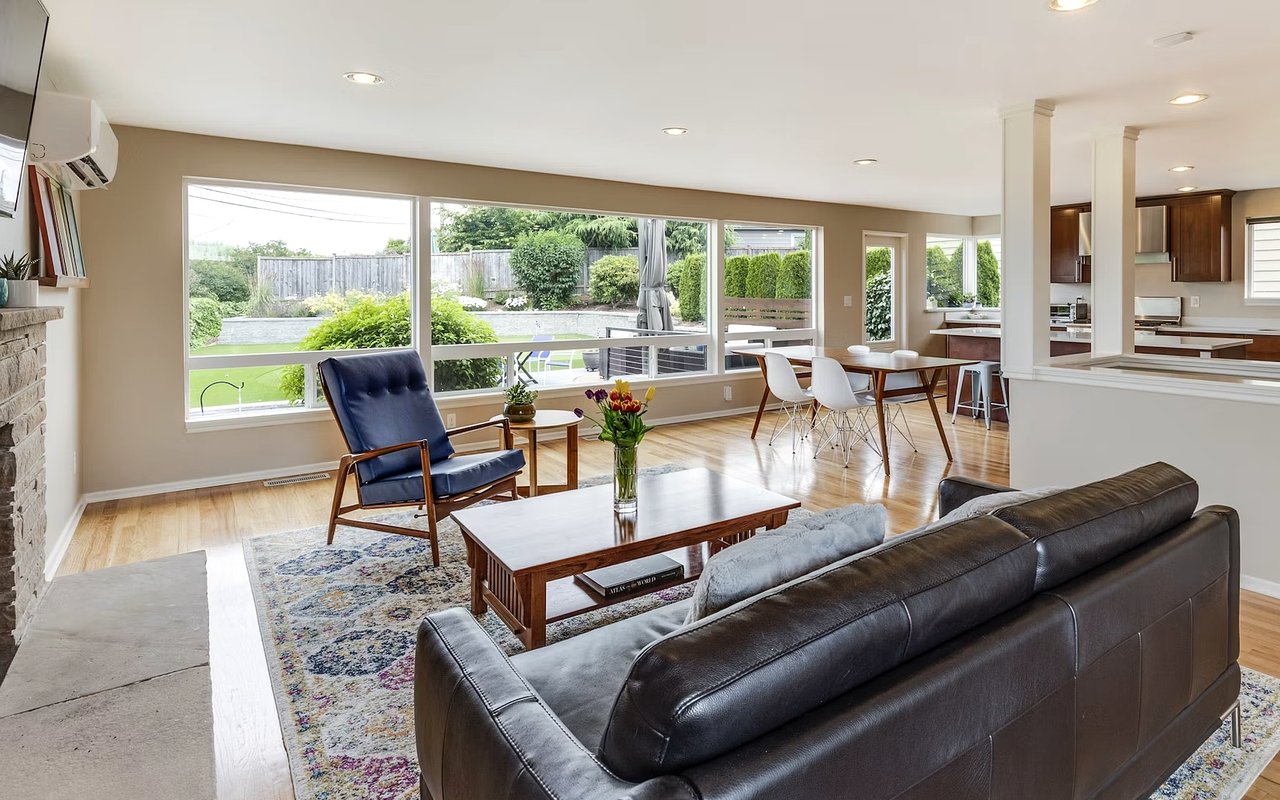
The homes that feel most cohesive in Silver Lake are almost always the ones where furniture respects the home's character rather than clashing with it. A mid-century modern home near the reservoir — the style associated with architects like Richard Neutra and Rudolf Schindler, who both worked extensively in this neighborhood — reads best with furniture that shares its vocabulary: tapered legs, clean horizontal lines, natural wood finishes, and a low profile that emphasizes openness. A Spanish Revival bungalow calls for something different: warmer materials, softer curves, and textiles with depth.
Style pairings that work well in Silver Lake homes
-
Mid-century modern homes: Low-slung sofas with tapered wood legs, walnut or warm oak case goods, and accent pieces in mustard, teal, or burnt orange that complement the era without feeling like a period reproduction.
-
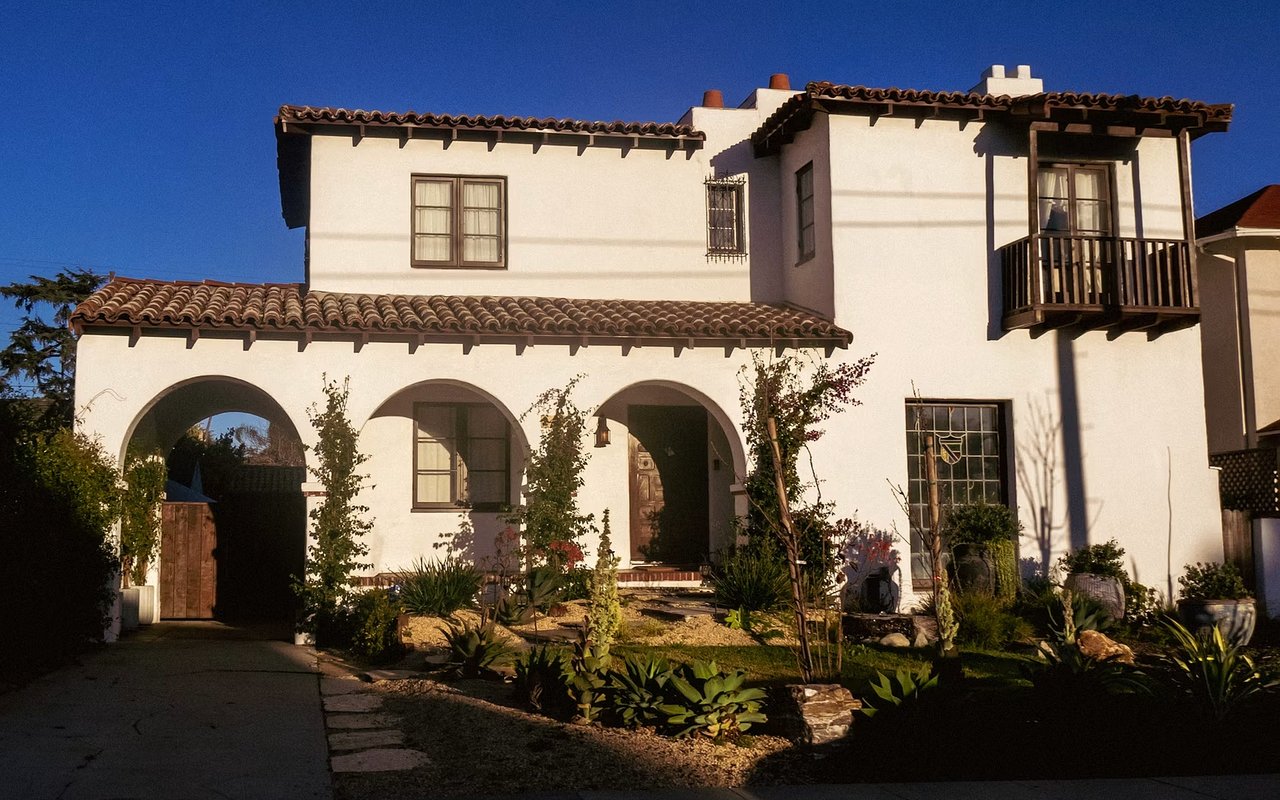
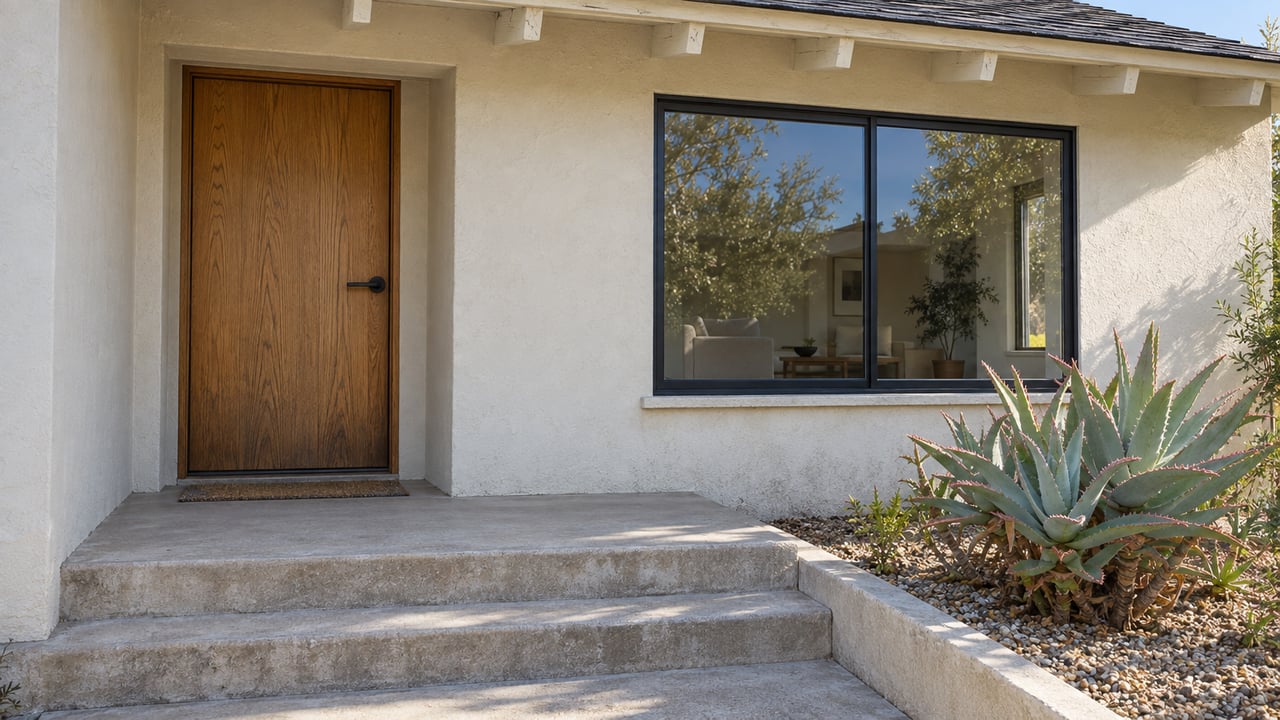
Spanish Colonial bungalows: Upholstered pieces in leather or woven textiles, warm metal details, and furniture with weight and solidity that suits the thick plaster walls and arched doorways common in this style.
-
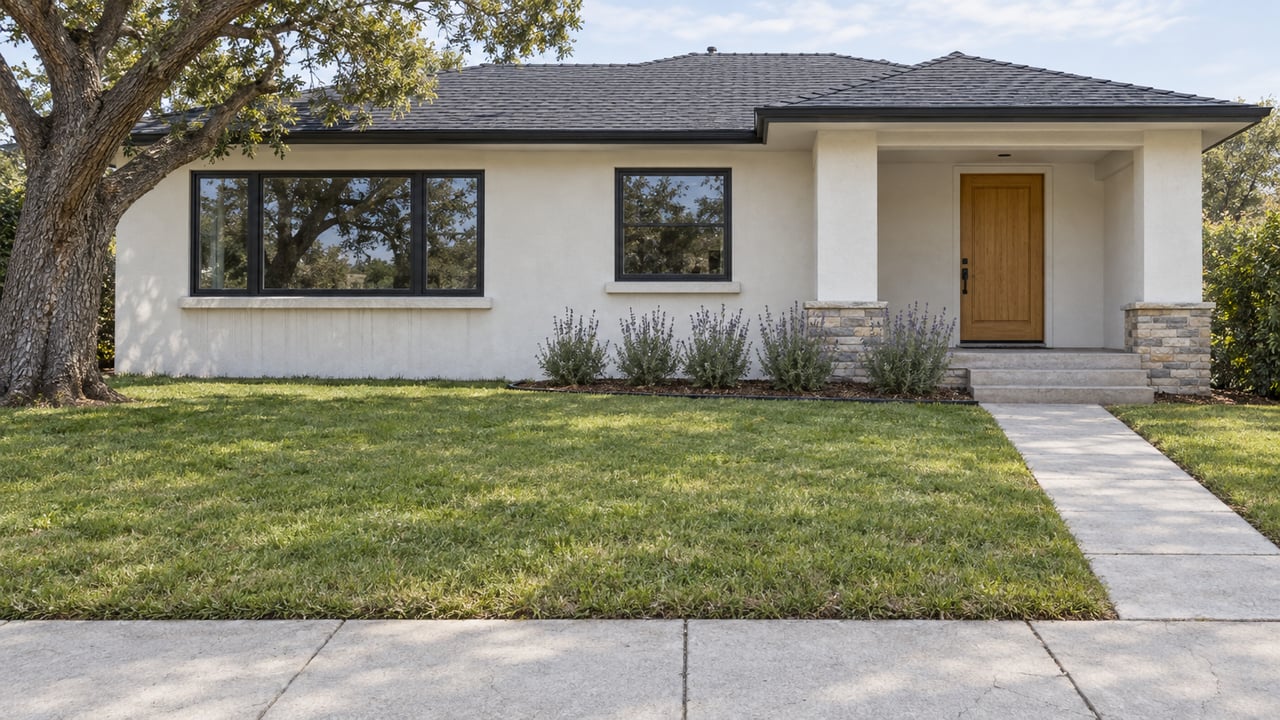
1940s and 1950s California ranch homes: These blend well with both mid-century pieces and contemporary furniture with clean lines, particularly when natural materials like linen, wool, and warm wood are prioritized.
-
Contemporary infill builds: Open floor plans in newer Silver Lake construction handle larger-scale pieces well, but benefit from restraint — a few well-chosen items fill the space better than many smaller ones.
Get Outdoor Furniture Right
Silver Lake's climate makes outdoor space usable year-round, and homes on hillside lots with decks or reservoir-facing patios often treat the outdoor area as a primary living space. Furniture choices for these areas need to reflect that. Pieces that look good but cannot tolerate sun exposure or occasional moisture will show wear quickly in the LA climate, and low-quality outdoor furniture undercuts a deck or terrace that has real view value.
What to look for in Silver Lake outdoor furniture
-
Materials rated for extended outdoor use without fading or warping — powder-coated aluminum, teak, and high-density polyethylene weave hold up best in Southern California.
-
Scale that matches the deck footprint — an oversized sectional on a compact hillside terrace blocks the sightlines that are often the whole reason the deck was built.
-
Consistency in palette or material family between indoor and outdoor pieces so the transition through glass doors feels intentional rather than like two separate design decisions.
Layer in the Details Last
In Silver Lake's design-forward community, the details of how a home is furnished register. But the right sequence matters: get major pieces in place, live with them for a few weeks, then add rugs, lighting, and accessories based on what the space is actually asking for.
Details that pull a Silver Lake interior together
-
Rugs sized to anchor the seating area — front legs of every primary seat should rest on the rug. For most Silver Lake living rooms, an 8-by-10 or 9-by-12 foot rug is the right starting point.
-
Lighting at three levels — ambient, task, and accent — which gives a room flexibility and avoids the flat look of overhead-only lighting.
-
Art scaled to the wall: a piece above a sofa should fill roughly two-thirds of that horizontal span to read as intentional.
-
Warm-toned neutrals — soft beiges, clay, olive, and warm taupes — that perform well in Southern California light and work across Silver Lake's varied architectural styles.
FAQs
What furniture styles work best in Silver Lake's mid-century homes?
Low-profile pieces with tapered wood legs, organic shapes, and natural materials are the strongest fit. The mid-century homes here were designed with open floor plans and an indoor-outdoor sensibility that clean-lined furniture with honest materials complements well.
How do I furnish a small Silver Lake bungalow without it feeling cramped?
Choose fewer, better-scaled pieces rather than filling every corner. Pull sofas slightly away from walls to create depth, and use a rug large enough to anchor the seating area — undersized rugs visually fragment a small room. Light-toned upholstery and furniture with visible legs also make rooms read larger.
Should indoor and outdoor furniture match in a Silver Lake home?
They do not need to match exactly, but they should feel related — similar palette, material family, or design sensibility. In homes where the deck is visible from the main living area through glass doors, a jarring contrast between inside and outside reads as two separate design decisions rather than a cohesive home.
Find Your Next Silver Lake Home With Trevino Properties
Knowing how to furnish a Silver Lake home well starts with understanding what makes its architecture specific — and that starts with finding the right property. I have spent over 27 years working in this neighborhood and the broader Northeast LA market, and I help buyers find homes that suit how they actually want to live.
Reach out to me,
learn more about my work in Silver Lake and let's start a conversation.