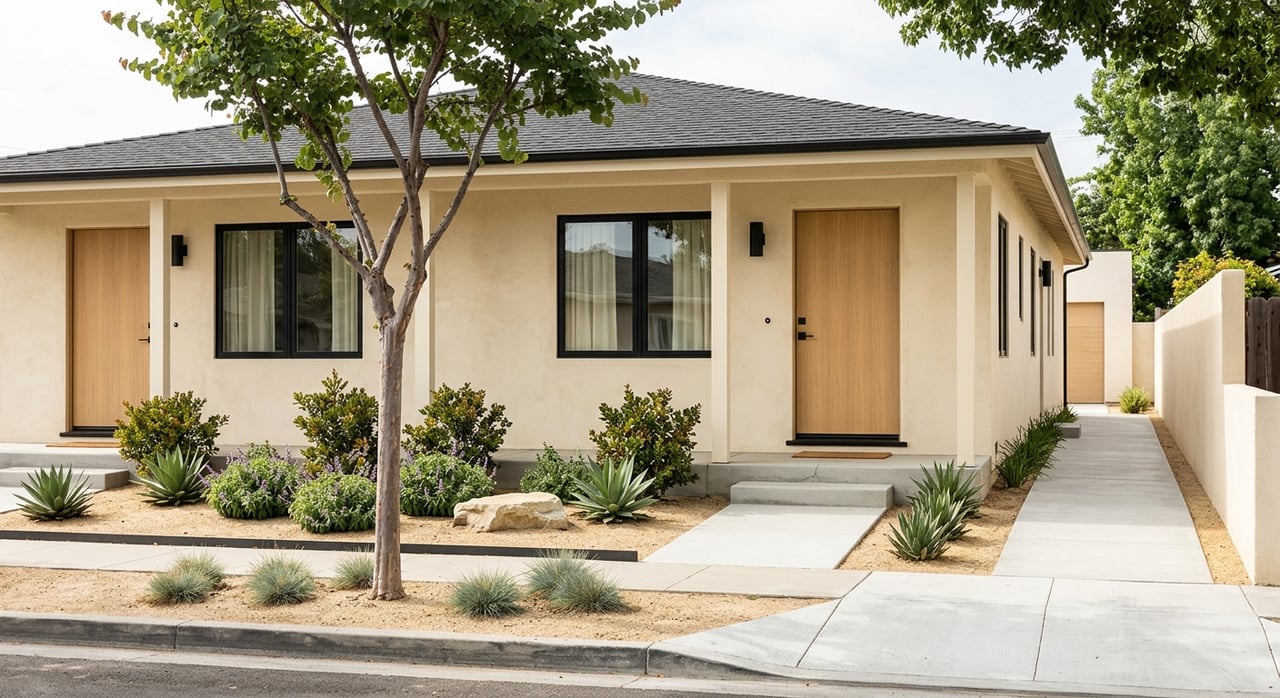
Atwater Village ADU and Duplex Guide for Income Buyers
June 4, 2026
June 4, 2026
Wondering whether an Atwater Village property could do more than just give you a place to live? In this part of Northeast Los Angeles, many buyers look for ways to combine lifestyle and long-term income, whether that means a duplex, a small multi-unit building, or a home with ADU potential. If you are exploring owner-user or small investment options, understanding what is actually possible on a specific parcel can save you time, money, and stress. Let’s dive in.
Atwater Village sits within the Northeast Los Angeles Community Plan area, and parts of the neighborhood also fall under the Atwater Village Pedestrian Oriented District, often called the Atwater POD. City Planning studied this area because corridors like Glendale Boulevard and Los Feliz Boulevard have a mix of uses and building patterns that can support walking and shopping. That village-style layout helps explain why buyers often see value in properties that mix residential living with income potential.
Using ZIP code 90039 as a local market proxy, ACS 2024 data shows a median household income of $113,818, a median owner-occupied home value of $1.2645 million, and 58% bachelor’s-degree attainment. While that is not a rental study, it does suggest a well-resourced local market. For many buyers, that makes home-plus-income strategies worth a closer look.
Atwater Village is not one uniform housing market. City Planning identifies both the Atwater Village Equestrian Historic District and the Perlita Avenue Apartment Historic District, and those areas reflect very different building patterns. That means two homes that seem similar online may have very different rules, design constraints, or value-add potential.
The equestrian district includes river-adjacent properties with some private dirt roadways and a built form shaped by special-use lots. The Perlita district is a more compact postwar multi-family area with two-story residences, uniform setbacks, and detached garages at the rear. In practical terms, broad neighborhood assumptions matter less here than a careful property-by-property review.
A duplex is generally a two-unit multi-family property on a single lot. Los Angeles City Planning describes classic forms like the side-by-side double bungalow, the two-story double house, and the two-flat with one unit above the other. In a neighborhood with older housing stock like Atwater Village, these small-scale income properties can be especially appealing.
For many buyers, duplexes offer a straightforward owner-user setup. You might live in one unit and rent the other, or buy for long-term income with both units occupied. Either way, you still need to confirm the legal unit count, permit history, and financing implications before assuming the numbers work.
A duplex can be easier to manage than a larger apartment building while still creating rental income. It may also give you more flexibility than a single-family home if your goal is to offset your housing costs. That is one reason these properties remain attractive to small investors and buyers who want a house-hack style purchase.
Before you move forward on a duplex, confirm:
In Atwater Village, older properties can have a lot of charm, but they can also come with surprises. A unit that produces rent is not always the same thing as a unit that is fully legal.
Atwater Village also includes small apartment buildings and other modest multi-unit opportunities. The Perlita Avenue Apartment Historic District report describes two-story multi-family residences with large lots, detached multi-car garages at the rear, and garden-style access between paired buildings. City case files in the neighborhood also show examples of small-lot and small multi-unit development.
For a buyer focused on income, these properties can offer more unit count and more diversification than a duplex. If one unit turns over, you may still have income coming from others. That said, more units usually mean more moving parts, including maintenance, tenant-law issues, and permitting complexity.
A small multi-unit property may make sense if you want:
This type of purchase usually requires more diligence up front. You want clarity not just on rent potential, but also on how the property is regulated and maintained.
ADUs are one of the most common ways buyers try to create value in Los Angeles. California HCD and the City of Los Angeles describe an ADU as a secondary dwelling unit on a parcel with a primary residence. LAHD lists common forms such as attached ADUs, detached ADUs, home conversions, garage conversions, garage additions, home additions, and JADUs.
In plain terms, that means an older garage, a large backyard, or underused rear-lot space may be worth a second look. In Atwater Village, where many lots and buildings reflect earlier development patterns, those features can be especially important.
A JADU, or junior accessory dwelling unit, can be up to 500 square feet and must be located within a single-family residence. Local rules allow up to one ADU and one JADU on many residential parcels. On some multifamily properties, multiple ADUs or up to two detached ADUs may also be possible under current city rules.
Even when a lot looks promising, you should not assume an ADU will be simple. Zoning, overlays, permit history, access, and site layout all matter. Historic-resource status can also affect what kind of exterior changes or additions may be approved.
Los Angeles zoning is parcel-specific, and Atwater Village is a strong example of why that matters. Community plans determine what zones can apply to a site, and overlays can add another layer of rules. ZIMAS is the city’s lookup tool for checking zoning, land use, planning cases, and permit history.
If you are looking at a duplex, an ADU build, or a small addition, checking ZIMAS early is essential. A parcel in the Atwater POD, a historic district, or another overlay area may have rules that affect design, review, or feasibility. If a project is not by-right, it may need an administrative or discretionary land-use determination before a building permit is issued.
Historic-resource status deserves close attention in Atwater Village. City Planning says that in a local historic district, new work must complement the historic character, and some exterior changes may be reviewed by staff or an HPOZ board. So a rear-yard ADU or garage conversion that seems easy on one block may be much more complicated on another.
Parking is one of the first questions buyers ask about ADUs. Under California law, parking requirements are limited in several common situations, including some properties within half a mile of transit and some historic-district or conversion scenarios. That can improve feasibility, but it does not remove the need for a full property review.
Rent rules are just as important. LAHD says units in the City of Los Angeles built on or before October 1, 1978 are generally subject to the Rent Stabilization Ordinance unless the parcel has only one single-family dwelling. LAHD also notes that adding an ADU or JADU to a pre-1978 parcel can change the analysis, so buyers should check how RSO status may apply before underwriting future income.
If parking is removed to make room for an ADU, LAHD notes that reduction-of-service issues may also need to be addressed. This is one of those details that can affect both cost and operations, especially on an occupied property.
The best Atwater Village opportunities are often the ones that hold up under scrutiny. Whether you are buying a duplex, a small apartment building, or an ADU-friendly home, a smart due diligence process helps you understand what you are really getting.
Here is a practical checklist to start with:
City Planning notes that some qualifying unpermitted dwelling units may be legalized through a multi-agency process. LAHD and LADBS may also split enforcement responsibilities depending on whether a property has more than one dwelling unit or only one. That makes permit and code-history review especially important.
Income property decisions usually involve more than the listing price and projected rent. Buyers should confirm financing, tax, and tenant-law implications with a lender, CPA, and real estate attorney before relying on income assumptions. In a neighborhood with older structures and block-by-block differences, that extra care can protect you from expensive surprises.
Atwater Village can be compelling for small investors and owner-users because it combines older housing stock, a village-scale commercial environment, and a local market with relatively high incomes and home values. Those factors help explain why duplexes, small multi-units, and ADU-friendly lots continue to attract attention here. Still, this is not a plug-and-play market.
The right opportunity is usually the one where the parcel details, legal status, physical condition, and long-term strategy all line up. If you approach the search with patience and good local guidance, you can make more confident decisions and avoid chasing upside that does not really exist.
If you are weighing a duplex, ADU setup, or small multi-unit purchase in Northeast LA, working with a team that understands block-by-block differences can make a real difference. Trevino Properties Inc. helps buyers evaluate owner-user and value-add opportunities with local insight, clear guidance, and a practical eye on long-term potential.

A Local Exception That Could Change What You're Allowed to Build.
Two Eastside Icons With Genuinely Different Personalities.
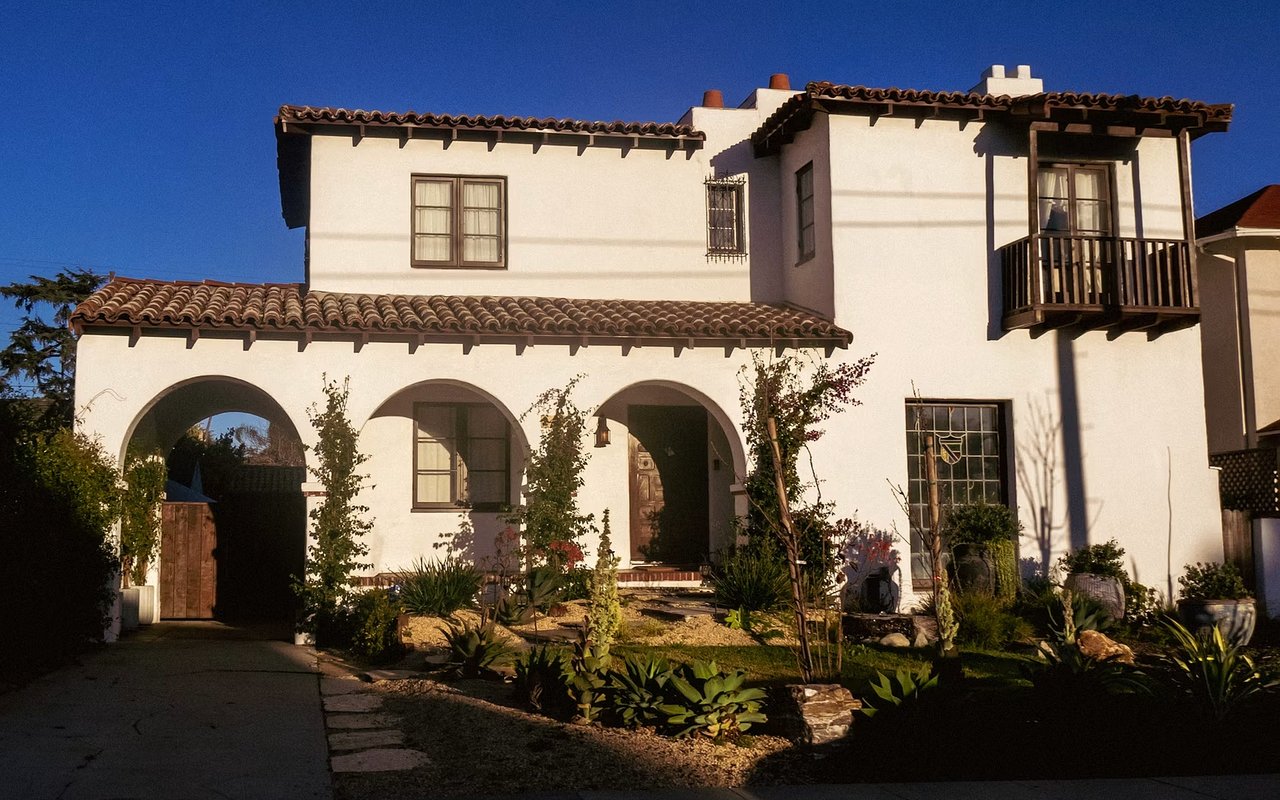
Comparing Two of Northeast Los Angeles' Most Architecturally Distinct Communities.
Inside the Mid-Century Modern Legacy Shaping Silver Lake Real Estate.
How to Locate and Evaluate These Properties as a Buyer.

Begin Your Search for Condos in These East LA Neighborhoods.
We pride ourselves in providing personalized solutions that bring our clients closer to their dream properties and enhance their long-term wealth. Contact us today to find out how we can be of assistance to you!