By Alexander Trevino, Trevino Properties
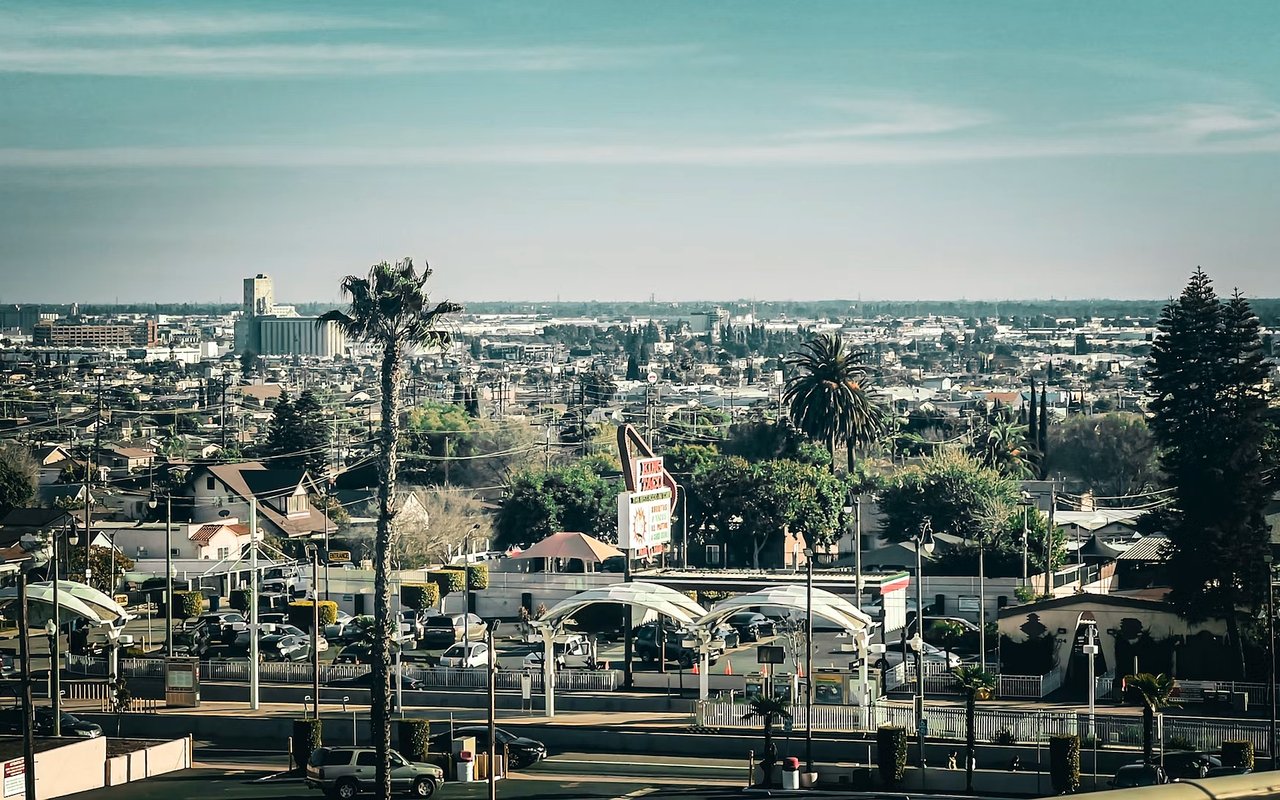
Silver Lake and Los Feliz sit less than two miles apart, share a border along Hollywood Boulevard and Hyperion Avenue, and still manage to feel like two different worlds. We get asked to compare them often, usually by buyers who love the general area but aren't sure which side of that border fits how they actually want to live.
The short answer is that both neighborhoods built their identities around architecture, just in different directions. Silver Lake leaned into mid-century modernism on steep hillside lots. Los Feliz built its reputation on Spanish Colonial Revival estates, storybook cottages, and a handful of architectural landmarks that predate the modernist movement by decades. Here is how we walk clients through the difference.
Key Takeaways
- Silver Lake's identity centers on mid-century modernist homes by architects like Rudolph Schindler and Richard Neutra, built into steep hillsides around the Silver Lake Reservoir.
- Los Feliz's identity centers on Spanish Colonial Revival, Tudor Revival, and storybook homes, along with landmark works like Frank Lloyd Wright's Ennis House.
- Silver Lake offers a more compact, walkable footprint around Sunset Junction, while Los Feliz offers direct access to Griffith Park and a longer-established village retail strip.
- Both neighborhoods hold homes with real architectural and historic significance, so working with an agent who understands each one's design history matters in either direction.
- The right choice usually comes down to architectural preference, terrain, and how a buyer wants their daily routine to connect to the surrounding hills.
Silver Lake's Architectural Identity: Mid-Century Modernism on the Hillside
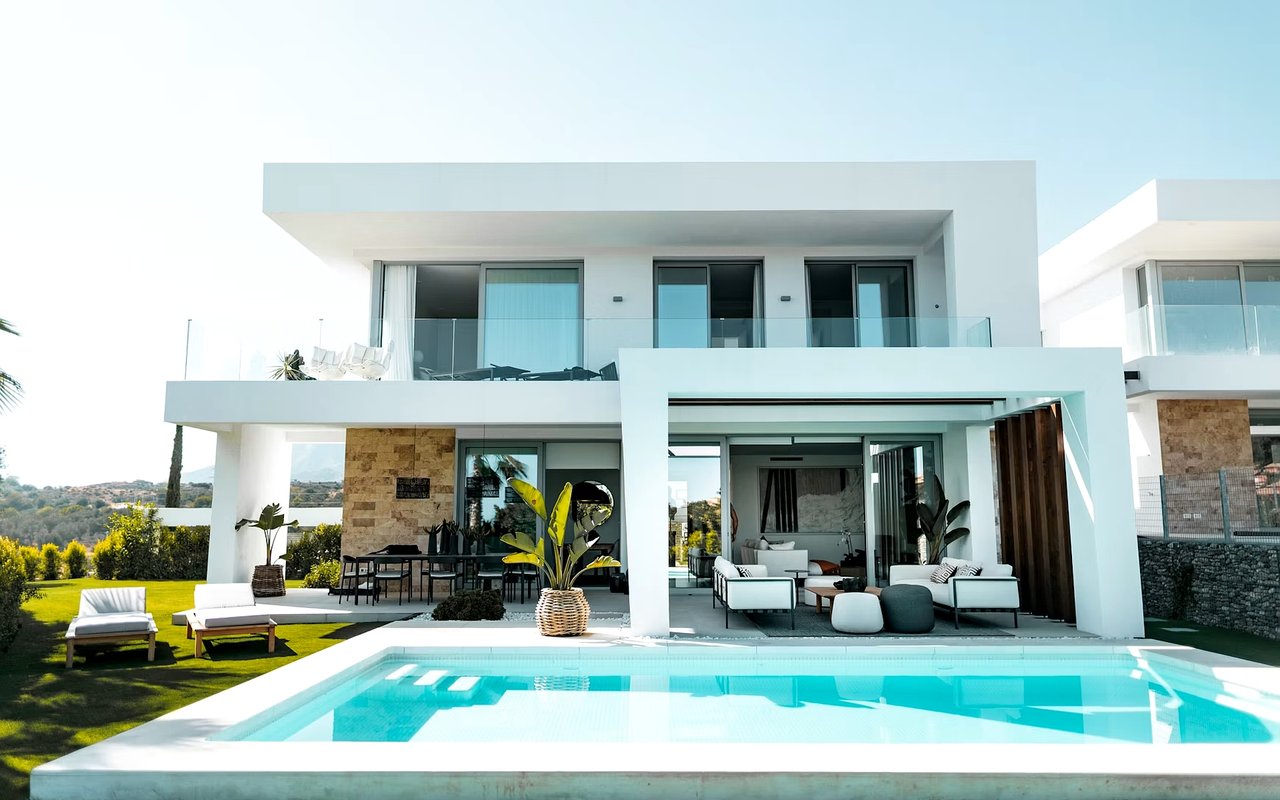
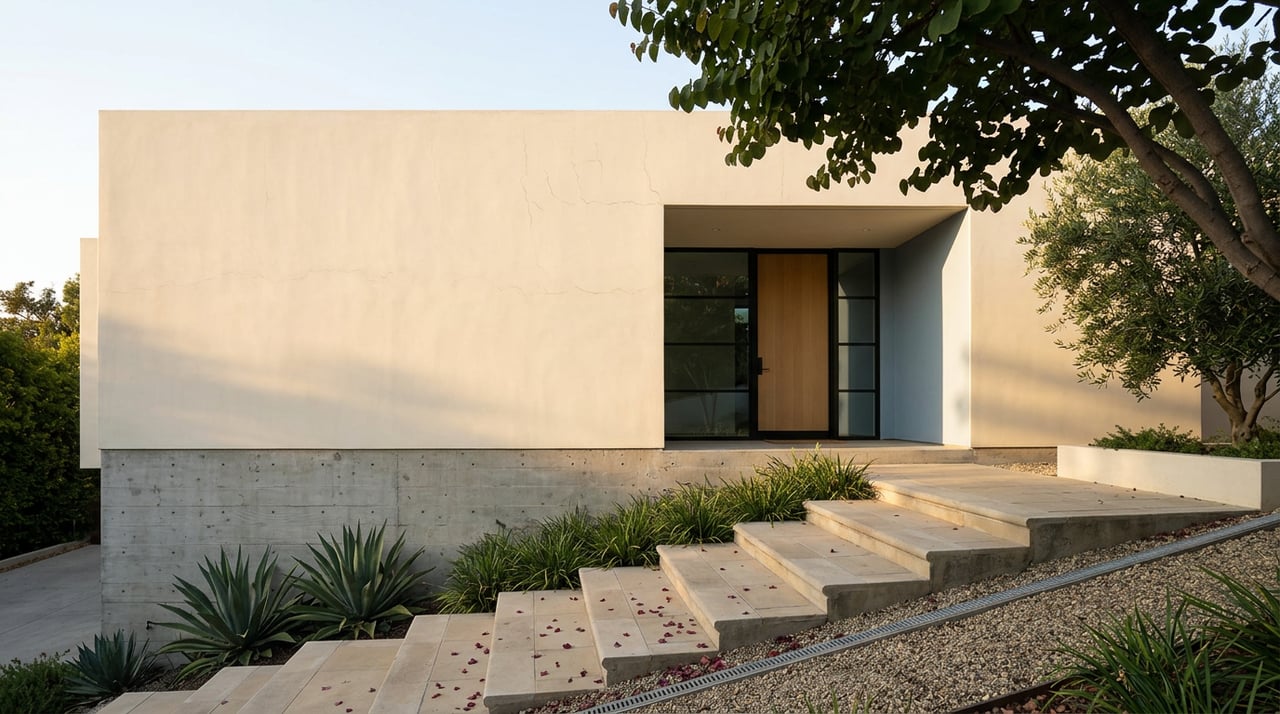
Silver Lake's defining architectural moment arrived in the 1920s and 1930s, when Rudolph Schindler and Richard Neutra began designing homes on lots most builders considered too steep to touch. Their work, along with contributions from architects like Raphael Soriano, Gregory Ain, and John Lautner, turned Silver Lake's hillsides into a proving ground for open floor plans, glass walls, and homes that stepped down a slope instead of flattening it. That legacy still shapes the neighborhood today.
What Defines Silver Lake's Housing Stock
- Mid-century modern homes built into or along steep hillside lots.
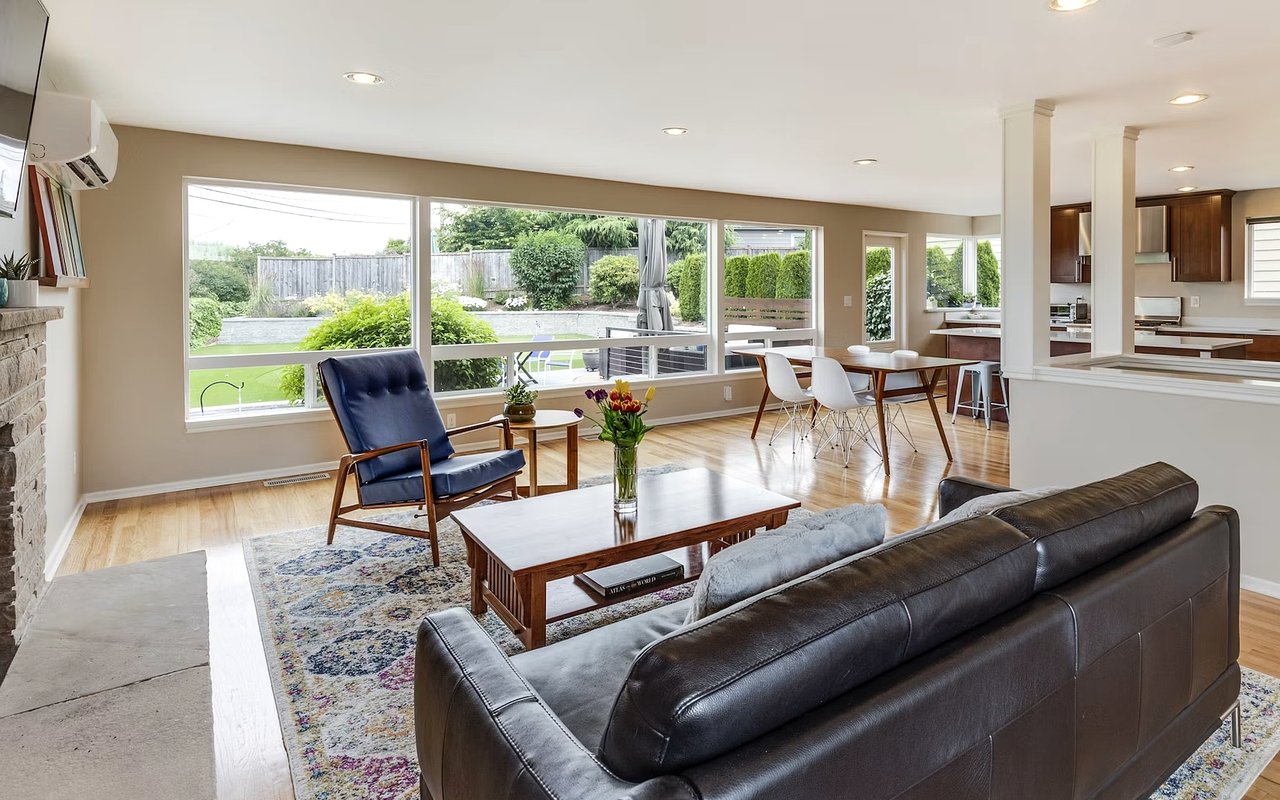
- Open floor plans, post-and-beam construction, and extensive glass framing reservoir or canyon views.
- A concentration of architect-designed homes along streets like Micheltorena Street, Silver Ridge Avenue, and Neutra Place.
- Close proximity to the Silver Lake Reservoir, which shaped much of the original hillside development.
Los Feliz's Architectural Identity: Golden-Age Revival Homes and Wright's Legacy
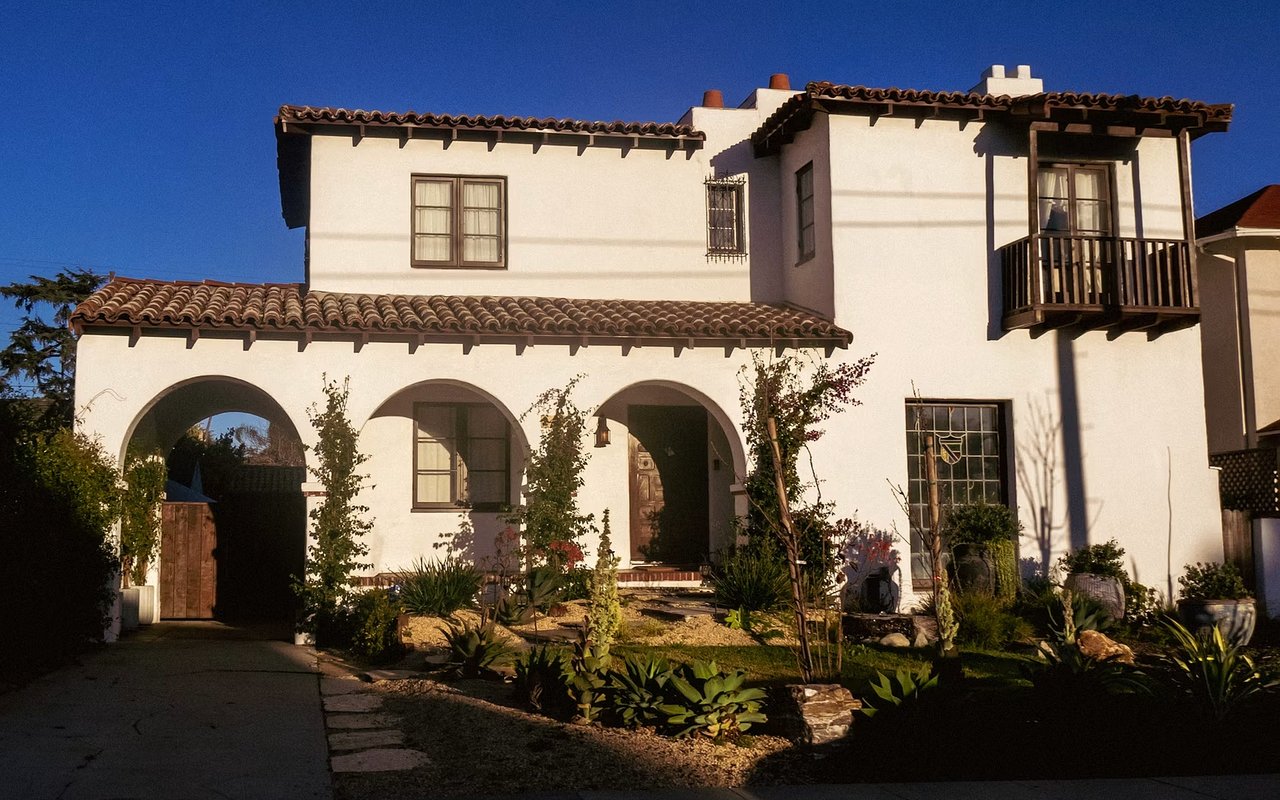
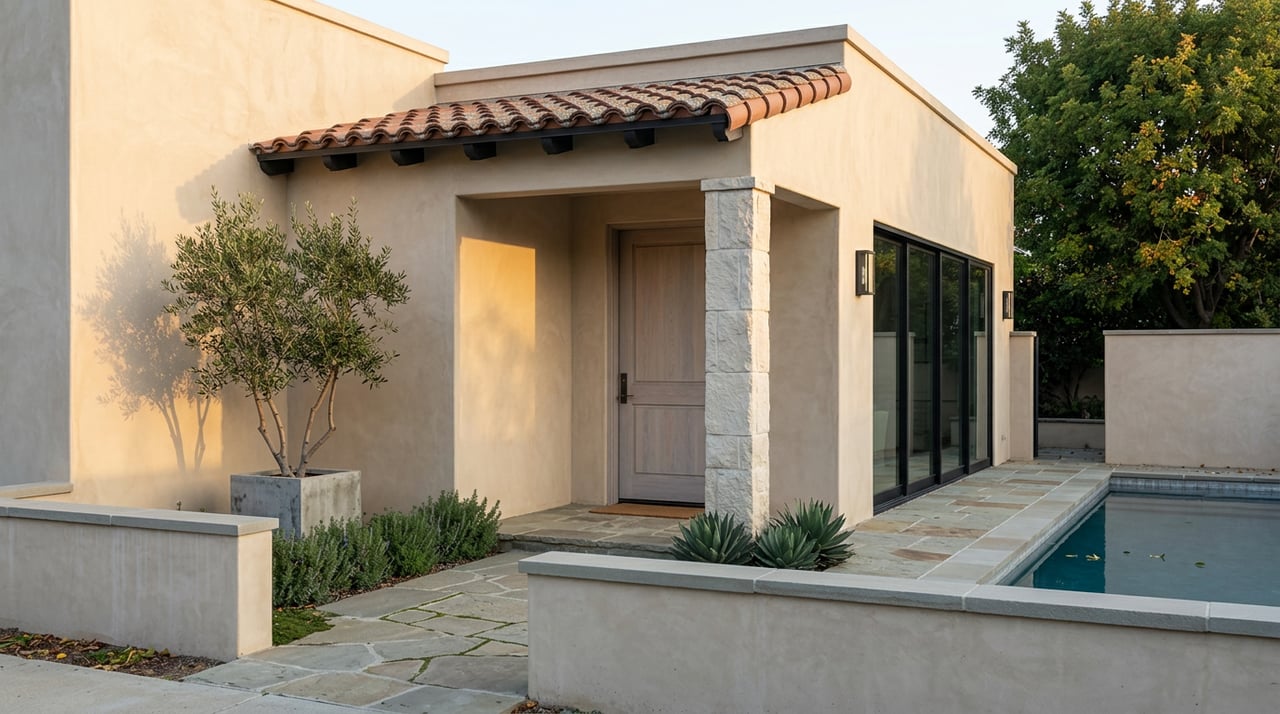
Los Feliz's architectural story runs earlier and in a different stylistic direction. The neighborhood grew up in the 1910s and 1920s as a home for Los Angeles' film industry elite, and its hillside streets filled with Spanish Colonial Revival and Mediterranean Revival estates, Tudor Revival homes, and storybook cottages built for that era's sense of drama.
Frank Lloyd Wright's Ennis House, completed in 1925 on Glendower Avenue, remains the neighborhood's best-known landmark, built from concrete textile blocks in a style Wright developed specifically for Southern California. Lloyd Wright's Samuel-Novarro House and the Barnsdall Art Park grounds, home to Hollyhock House, sit just at the neighborhood's edge and reinforce the same architectural lineage.
What Defines Los Feliz's Housing Stock
- Spanish Colonial Revival, Mediterranean Revival, and Tudor Revival homes built primarily in the 1910s through 1930s.
- Storybook and French-inspired revival cottages tucked into curving hillside streets.
- Landmark architecture, including Frank Lloyd Wright's Ennis House and Lloyd Wright's Samuel-Novarro House.
- Homes concentrated in the Los Feliz Heights Residential Historic District and other Historic Preservation Overlay Zones that protect original architectural character.
Comparing Lifestyle and Everyday Living
Architecture sets the tone, but daily life is where these two neighborhoods really separate. Silver Lake's rhythm centers on the reservoir's walking loop and the shops and restaurants clustered around Sunset Junction. Los Feliz's rhythm centers on Griffith Park, with direct access to Griffith Observatory, Fern Dell, and miles of trail alongside a long-established village retail corridor.
How the Two Neighborhoods Compare Day to Day
- Silver Lake: daily walks around the Silver Lake Reservoir, coffee and dining around Sunset Junction and Silver Lake Boulevard.
- Los Feliz: hiking access into Griffith Park and toward Griffith Observatory, shopping and dining along Vermont and Hillhurst Avenues in Los Feliz Village.
- Silver Lake: a denser mix of independent shops within a compact, flatter commercial core.
- Los Feliz: a longstanding village district dating to the 1920s, anchored by the Vista Theatre and a wide range of independent restaurants and bookstores.
Which Neighborhood Fits Your Search?
Neither neighborhood is a step up or down from the other. They simply reward different priorities, and we walk buyers through both before they commit to a search radius.
Silver Lake May Be the Better Fit If You Want
- A mid-century modern home or a property with clear design lineage to Schindler, Neutra, or their contemporaries.
- A compact, walkable daily routine centered on the reservoir and Sunset Junction.
- A hillside lot with the kind of dramatic grade that shaped Silver Lake's original modernist homes.
Los Feliz May Be the Better Fit If You Want
- A Spanish Colonial Revival, Tudor, or storybook home with an earlier architectural pedigree.
- Direct, everyday access to Griffith Park and Griffith Observatory.
- A long-established village commercial district with decades of continuity.
Frequently Asked Questions
Is Silver Lake or Los Feliz considered the more architecturally significant neighborhood?
Both hold genuine architectural significance, just from different eras and movements. Silver Lake is known for mid-century modernism, while Los Feliz is known for earlier revival architecture and landmark works like the Ennis House.
How close are Silver Lake and Los Feliz to each other?
The neighborhoods sit adjacent to one another, generally divided around Hollywood Boulevard and Hyperion Avenue, which makes it easy to consider both during a single search.
Do home styles vary significantly within each neighborhood?
Yes. Both neighborhoods include pockets that differ from their dominant style, so it helps to look at a specific street or historic district rather than assuming uniformity across the whole area.
Which neighborhood has stronger long-term value for architecturally significant homes?
Both have shown consistent, durable interest from buyers who specifically want architectural pedigree, since supply in each neighborhood is limited and difficult to replicate.
Should I work with an agent who knows both neighborhoods before deciding?
It helps considerably. Understanding the architectural history, historic district rules, and market dynamics in both Silver Lake and Los Feliz makes it easier to choose with confidence rather than by instinct alone.
Find Your Fit in Silver Lake or Los Feliz
Choosing between Silver Lake and Los Feliz often comes down to which architectural story speaks to you, mid-century modernism on a hillside or Golden-Age revival architecture near Griffith Park. We work both neighborhoods regularly and can walk you through the streets, historic districts, and homes that fit what you're looking for. Get to know the team at
Trevino Properties, and let's find the neighborhood that fits your next move.